Quelle est la principale différence entre la technologie FFF et les technologies d'impression 3D com...
Comprendre le FFF, le FDM et la SLA en Fabrication Additive
Dans la fabrication additive, plusieurs technologies existent pour transformer des modèles numériques en composants physiques. Parmi elles, la Fabrication par Filament Fondu (FFF), la Modélisation par Dépôt de Fil Fondu (FDM) et la Stéréolithographie (SLA) sont largement utilisées. Alors que le FFF et le FDM sont des méthodes basées sur l'extrusion étroitement liées, la SLA appartient à une catégorie complètement différente de technologies d'impression par photopolymères.
Les fournisseurs professionnels de Services d'Impression 3D proposent généralement plusieurs procédés additifs afin que les ingénieurs puissent sélectionner la technologie la plus adaptée en fonction de la précision, des propriétés des matériaux et des exigences de production.
Le FFF et le FDM fonctionnent tous deux en utilisant le procédé d'Extrusion de Matériau, tandis que la SLA repose sur un principe de fabrication différent appelé Photopolymérisation en Cuve. Comprendre les différences entre ces technologies est important pour choisir la bonne solution pour le prototypage ou la production industrielle.
FFF vs FDM : Deux Noms pour la Même Technologie d'Extrusion
La distinction principale entre le FFF et le FDM est largement liée à la terminologie plutôt qu'à la technologie. FDM est un terme déposé initialement développé par Stratasys, tandis que FFF a été introduit par la communauté open-source de l'impression 3D pour décrire la même méthode d'impression basée sur l'extrusion.
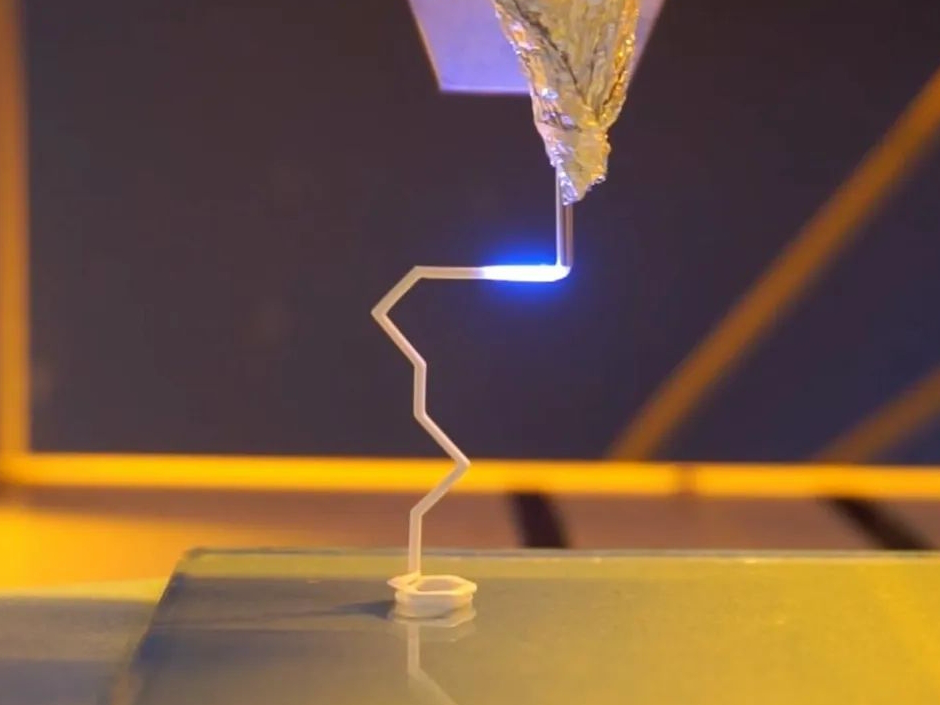
Les deux procédés consistent à alimenter un filament thermoplastique dans une buse chauffée où il fond et est déposé couche par couche pour créer une pièce solide. En raison de cette similitude, le comportement mécanique, les paramètres d'impression et la compatibilité des matériaux pour le FFF et le FDM sont presque identiques.
Ces systèmes basés sur l'extrusion sont fréquemment utilisés en combinaison avec d'autres technologies de fabrication additive telles que la Fusion sur Lit de Poudre, couramment utilisée pour les pièces métalliques ou en polymères hautes performances. Dans les environnements de fabrication hybrides, des méthodes additives supplémentaires comme le Liaison par Jet de Liant ou des technologies de réparation telles que le Dépôt d'Énergie Dirigée peuvent également être intégrées.
Différences de Matériaux entre l'Impression par Extrusion et la SLA
Une autre différence majeure entre le FFF/FDM et la SLA réside dans les matériaux utilisés. L'impression basée sur l'extrusion fonctionne généralement avec des filaments thermoplastiques. Les matériaux courants incluent l'Acrylonitrile Butadiène Styrène (ABS), qui offre une bonne résistance aux chocs et une durabilité structurelle.
Pour des composants fonctionnels plus résistants, les ingénieurs utilisent souvent le Nylon (PA), qui offre une excellente résistance à la fatigue et des performances d'usure. Les applications industrielles à températures plus élevées peuvent nécessiter des polymères avancés tels que le Polycarbonate (PC).
En revanche, la technologie SLA utilise des photopolymères liquides qui se solidifient lorsqu'ils sont exposés à la lumière ultraviolette. Ces matériaux incluent des résines spécialisées telles que les Résines Standard pour les modèles visuels et les Résines Haute Température pour les pièces nécessitant une résistance thermique améliorée.
Considérations sur la Finition de Surface et le Post-Traitement
Les technologies d'impression par extrusion et par résine peuvent toutes deux bénéficier d'opérations de post-traitement qui améliorent les performances et l'apparence des pièces. Des procédés de finition de précision tels que l'Usinage CNC sont souvent utilisés pour affiner la précision dimensionnelle et améliorer les surfaces critiques.
Pour les composants exposés à des températures élevées ou à des environnements exigeants, des traitements supplémentaires tels que les Revêtements Barrière Thermique (TBC) peuvent offrir une résistance à la chaleur et une durabilité améliorées.
Applications Industrielles du FFF, du FDM et de la SLA
Chaque technologie répond à des besoins industriels différents en fonction de la précision, de la résistance et de l'échelle de production.
Le FFF et le FDM sont largement utilisés dans la Fabrication et l'Outillage pour produire des gabarits, des montages et des composants de prototypes fonctionnels.
L'industrie Aérospatiale et de l'Aviation utilise fréquemment l'impression basée sur l'extrusion pour les pièces structurelles légères, les aides à l'outillage et les assemblages prototypes.
Pendant ce temps, la technologie SLA est particulièrement précieuse dans le secteur Médical et de la Santé pour les modèles chirurgicaux, les applications dentaires et les prototypes anatomiques de haute précision.
Conclusion
La principale différence entre le FFF et le FDM est largement liée aux conventions de dénomination plutôt qu'à des différences technologiques, car les deux font référence à la même méthode d'impression basée sur l'extrusion. La SLA, cependant, représente un procédé fondamentalement différent qui utilise des résines photopolymères durcies par la lumière ultraviolette.
Alors que le FFF/FDM est connu pour le prototypage rentable et les pièces thermoplastiques durables, la SLA excelle dans la production de modèles très détaillés avec une excellente finition de surface. Le choix de la technologie appropriée dépend finalement des propriétés matérielles souhaitées, de la précision dimensionnelle et des exigences d'application.