Wax Pattern 3D Printing for Investment Casting RFQ Review
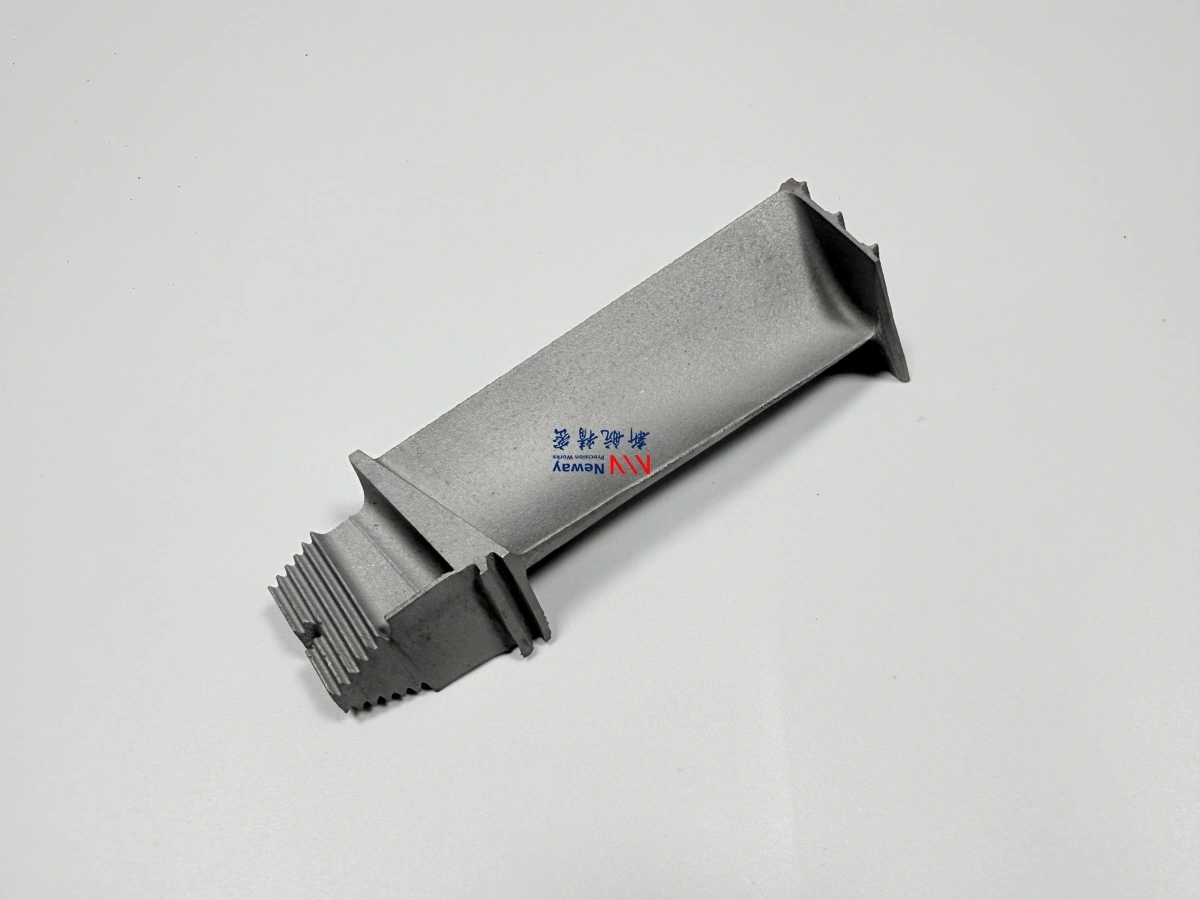
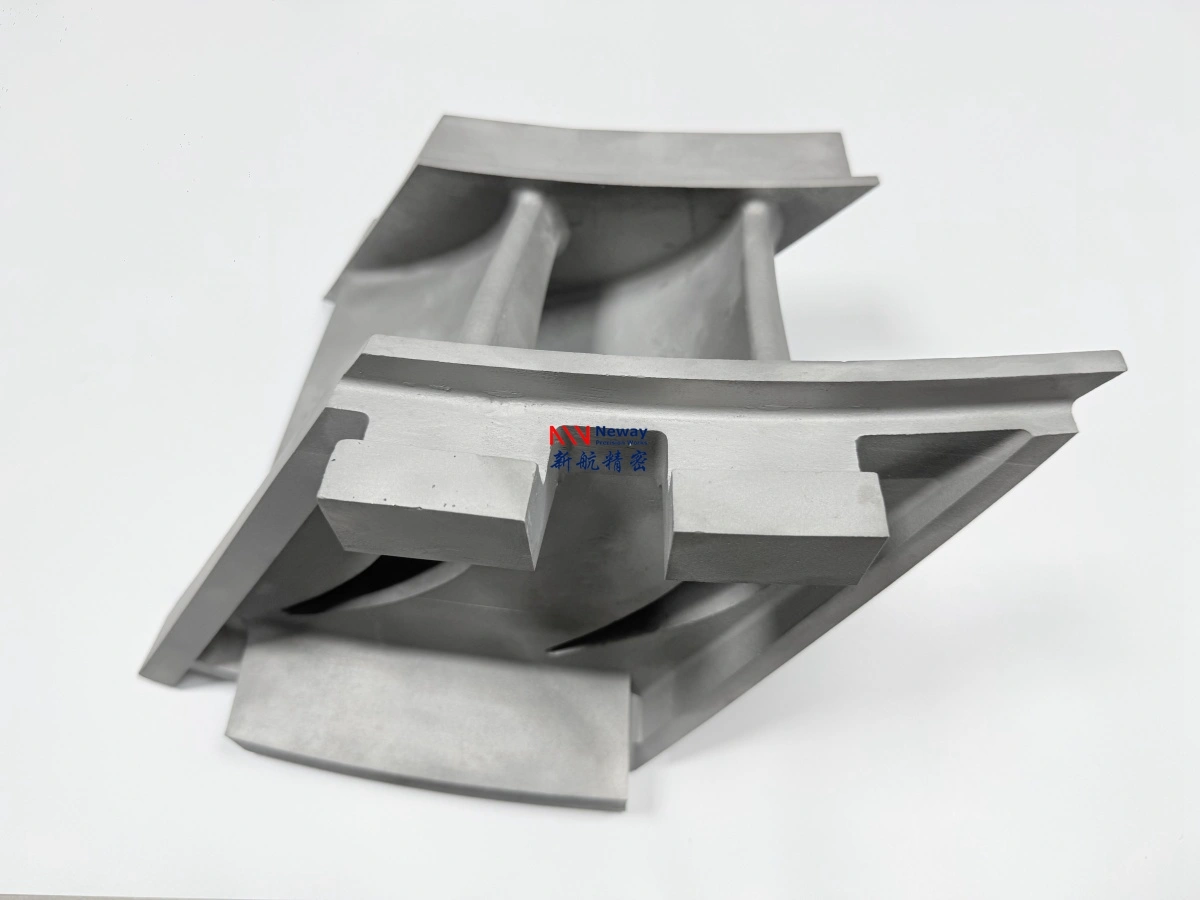
Wax pattern 3D printing for investment casting is useful when a buyer needs prototype or low-volume casting patterns without hard tooling. The pattern is not the final metal part. Its job is to create a castable shape that the foundry can handle, shell, burn out, and pour with predictable dimensional and surface expectations.
The RFQ should define whether the buyer needs printed wax, castable resin, or another pattern route. Printed wax and castable resin are not identical. Burnout behavior, ash residue, thermal expansion, pattern stiffness, surface finish, and foundry schedule compatibility can affect shell quality and casting risk.
Neway reviews resin 3D printing and pattern-making requests by separating pattern accuracy from casting accuracy. A pattern can be printed accurately and still fail if burnout, shell cracking, gating, shrinkage compensation, or handling requirements are not considered.
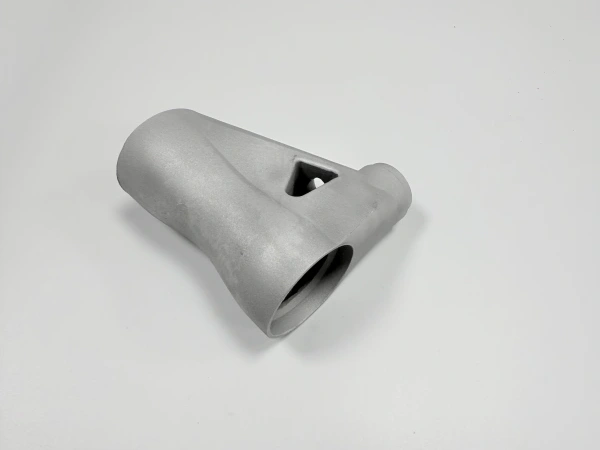
Printed Wax and Castable Resin Are Different RFQ Routes
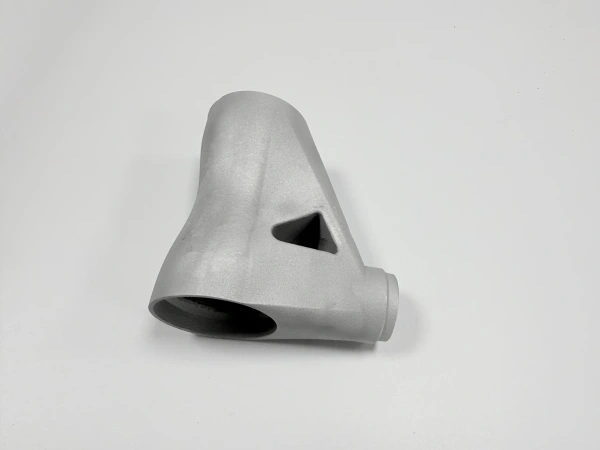
Printed wax patterns are often considered when the foundry wants a pattern material closer to traditional wax handling. Castable resin patterns may provide detail and surface quality through vat photopolymerization, but the resin's burnout behavior and ash residue must be acceptable to the foundry. The buyer should not assume that every resin pattern can replace wax without a foundry review.
Wax content, resin formulation, pattern wall thickness, hollowing strategy, and drain holes can affect burnout. If the pattern expands too much during burnout, the ceramic shell can crack. If residue remains, casting defects may follow. The RFQ should state the foundry's preferred pattern material and burnout schedule when available.
Pattern stiffness also matters. A thin printed wax pattern may deform during handling. A castable resin pattern may hold detail but require a specific burnout process. The correct choice depends on part size, section thickness, shell process, and foundry experience.
Storage and handling should be included when patterns are delicate. Long thin wax features, thin blades, small pins, and unsupported arms can bend or break before shelling. Castable resin can be more rigid, but rigidity can also transfer stress to the ceramic shell during heating. The buyer should tell Neway whether patterns will be transported to a foundry, assembled into a tree locally, or handled by the buyer before casting.
Pattern route | Buyer reason to choose it | Foundry risk to confirm | RFQ detail to provide |
|---|---|---|---|
Printed wax pattern | Low-volume pattern without hard tooling and familiar wax-like handling. | Dimensional stability, surface finish, and handling damage. | Pattern size, section thickness, sprue plan, and storage conditions. |
Castable resin pattern | Fine detail, crisp geometry, and fast prototype pattern production. | Burnout expansion, ash residue, and shell cracking risk. | Burnout schedule, hollowing needs, drain holes, and foundry approval. |
Hard-tool wax pattern | Repeat production with stable pattern demand. | Tooling cost and lead time before first casting. | Expected casting volume, revision stability, and target cost per pattern. |
Burnout Behavior Controls Casting Risk
Investment casting depends on the pattern leaving the ceramic shell cleanly enough for the foundry process. Burnout behavior is therefore a manufacturing requirement, not a detail to decide after printing. Pattern material, wall thickness, hollow cavities, venting, drain paths, and thermal expansion can all affect shell integrity.
Ash residue is a specific risk for castable resin patterns. Even a visually accurate pattern can create casting defects if the burnout is not compatible with the shell process. The buyer should ask the foundry whether the resin route is approved, whether a test coupon is needed, and whether the burnout schedule must be adjusted.
Ceramic shell cracking can occur when the pattern expands, drains poorly, or creates trapped pressure during burnout. Thin shells, sharp pattern corners, heavy sections, and large resin volumes can increase review needs. Neway can help create the printed pattern, but the foundry's shell and burnout process must be part of the RFQ discussion.
Pattern Compensation Is Not the Same as Casting Shrinkage
A printed pattern may need dimensional compensation for the pattern process, while the metal casting also has its own shrinkage behavior. These are separate issues. Pattern shrinkage, resin or wax stability, shell build-up, alloy shrinkage, and foundry machining stock can all affect final casting dimensions.
The buyer should tell Neway whether the submitted CAD is final casting geometry, pattern geometry, or foundry-adjusted geometry. If the CAD is the finished metal part, the foundry may need to add casting shrinkage compensation, gate and sprue geometry, and machining allowance. If the CAD is already compensated, that should be stated clearly to avoid double compensation.
Pattern surface finish also matters. Layer marks, support contact, stair-stepping, and local repair can transfer into the shell and then into the casting surface. If the casting will be machined, the pattern surface requirement may be less severe. If the casting surface is functional or visible, pattern finishing should be reviewed before printing.
For prototype casting, dimensional strategy should be practical. The first casting may be used to check mold fill, alloy behavior, machining stock, or assembly fit. A low-volume production pattern may need tighter control of repeat pattern handling and surface condition. Those two stages should not be quoted as the same pattern requirement.
Sprue, Gate and Tree Assembly Should Be Assigned
Printed patterns do not automatically include gating, sprues, vents, or tree assembly. Some buyers want Neway to print only the part pattern. Some foundries want separate sprue waxes and prefer to assemble the tree themselves. Others may request printed gates or integrated pattern features. The responsibility should be clear before the quote is released.
Gating and tree assembly are foundry decisions because they affect metal flow, shell strength, burnout, and casting yield. A printed pattern supplier should not invent gating without foundry input. If the buyer has a foundry drawing, it should be provided. If not, Neway can quote pattern printing while the buyer or foundry defines the casting system.
Tree assembly can also change how the printed pattern should be delivered. A foundry may prefer separate loose patterns with wax gates added later. Another foundry may ask for integrated features to reduce assembly time. The RFQ should state whether Neway is printing standalone patterns, pattern sets, test coupons, or a foundry-approved assembly concept.
RFQ item | Why it matters to the casting route | Who should confirm it | Risk if missing |
|---|---|---|---|
Pattern material | Controls burnout behavior and shell compatibility. | Buyer and foundry. | Shell cracking, residue, or rejected pattern route. |
CAD compensation status | Separates printed pattern geometry from metal casting shrinkage. | Foundry engineering. | Wrong casting size or double compensation. |
Surface finish | Pattern texture can transfer into the shell and casting surface. | Buyer, foundry, and pattern supplier. | Unexpected casting cleanup or visible defects. |
Sprue and gate plan | Controls metal flow, burnout, shell handling, and tree assembly. | Foundry. | Pattern may be unusable for the intended casting process. |
When Hard Tooling Is Still the Better Choice
Printed wax or castable resin patterns are strongest for prototypes, urgent design trials, low-volume investment casting, and parts that may change before production. Hard tooling becomes more practical when the design is stable, the casting volume is high enough, the foundry needs repeat wax patterns, or pattern cost must be minimized across many pieces.
If the casting geometry is simple and repeat demand is predictable, hard-tool wax patterns may provide better repeatability and lower pattern cost after tooling is paid. If the design is still changing, printed patterns reduce tooling risk and allow the foundry to cast trial parts before locking the tool.
A useful transition plan is to use printed patterns for early castings, then move to hard tooling after geometry, alloy, gating, machining stock, and inspection requirements are stable. That avoids paying for tooling while the part is still changing, but it also avoids using printed patterns beyond the point where hard tooling is more economical.
RFQ Details for Printed Investment Casting Patterns
For a reliable wax pattern or castable resin RFQ, send the STEP file, 2D drawing, desired pattern material, casting alloy if known, pattern quantity, whether CAD is casting geometry or compensated pattern geometry, surface finish requirement, hollowing preference, drain and vent needs, burnout schedule if provided by the foundry, sprue or gate responsibility, and target casting stage.
If the foundry has not approved a printed pattern material, state that before ordering patterns. Neway can support pattern production through resin materials and pattern review, but foundry burnout compatibility and casting acceptance should be confirmed by the casting supplier.
Related FAQs