What materials are best suited for SLA 3D printing?
Introduction to SLA Photopolymer Materials
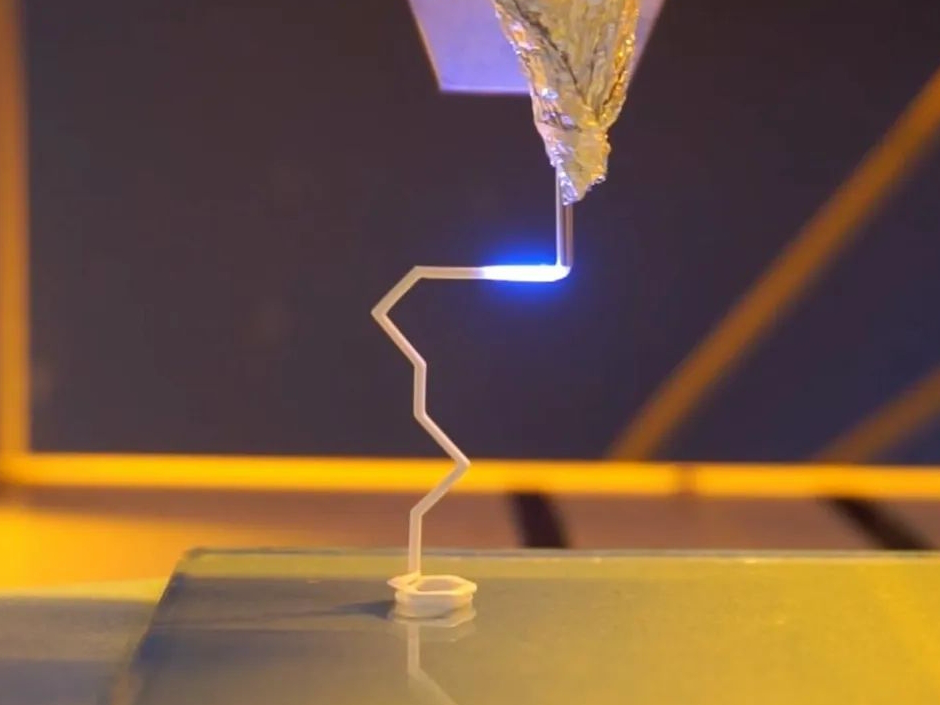
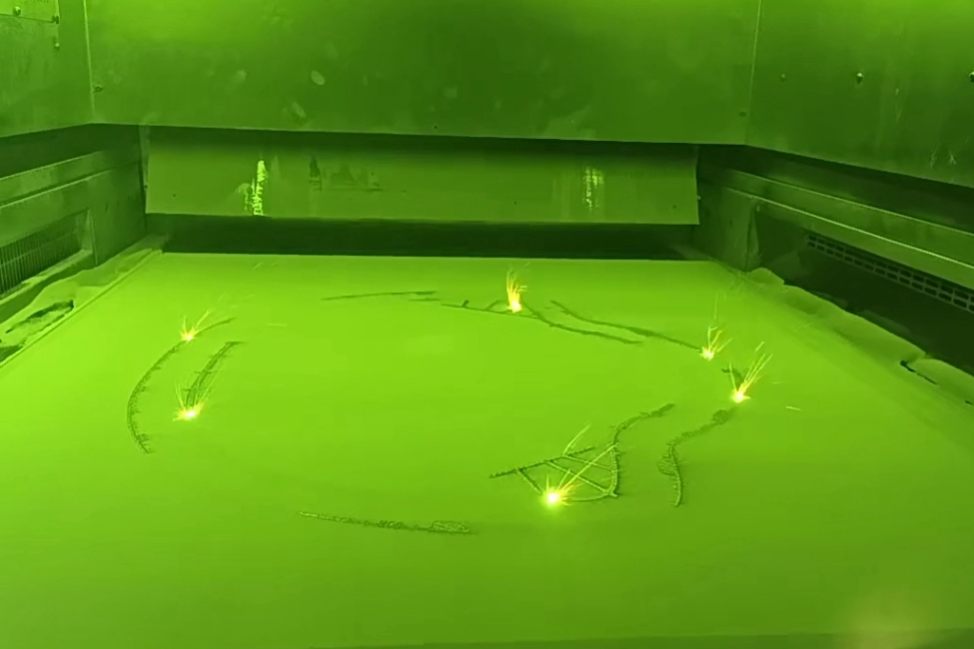
Stereolithography (SLA) 3D printing utilizes photopolymer resins that cure under ultraviolet light to produce parts with exceptional surface finish, feature resolution, and material properties. The expanding portfolio of SLA resins now encompasses materials engineered for specific mechanical, thermal, and aesthetic requirements across diverse applications. Our Vat Photopolymerization capabilities leverage this material diversity to deliver optimal outcomes for every project requirement.
Standard and Engineering-Grade Resins
General-Purpose Standard Resins
Standard Resins represent the most commonly used SLA materials, offering balanced properties for visual prototypes, concept models, and general-purpose applications. These materials provide excellent surface finish with typical layer resolutions of 25-100 microns, capturing fine details impossible with extrusion-based processes. They are ideal for Consumer Electronics enclosures and presentation models where aesthetic quality is paramount, though their mechanical properties limit functional applications.
Engineering and Functional Resins
For applications requiring enhanced mechanical performance, engineering-grade materials provide superior properties. Tough Resins simulate the impact resistance and ductility of engineering thermoplastics like ABS and polypropylene, suitable for snap-fit assemblies and functional testing. Durable Resins offer extended fatigue life for living hinges and repeatedly stressed components. These materials bridge the gap between visual prototyping and functional validation, supporting iterative development in Automotive and industrial design applications.
Specialized High-Performance Materials
High-Temperature Applications
Components exposed to elevated temperatures require specialized resin formulations. High-Temperature Resins maintain dimensional stability and mechanical properties at continuous operating temperatures exceeding 200°C, with heat deflection temperatures reaching 280°C after post-curing. These materials are essential for hot air flow testing, thermal management components, and applications in Energy and Power sectors where thermal resistance is critical. Post-processing with appropriate Heat Treatment protocols can further enhance thermal performance.
Flexible and Elastomeric Materials
Applications requiring compliance, sealing, or energy absorption benefit from Flexible Resins. These materials achieve elongation at break values from 80% to over 200%, with shore hardness values ranging from 30A to 90A. They are ideal for ergonomic grips, gaskets, and components requiring controlled deformation. For medical simulation and anatomical models, flexible resins provide realistic tissue-like properties essential for surgical planning and training.
Medical and Dental Applications
Biocompatible Medical-Grade Materials
The Medical and Healthcare sector benefits from specialized Medical-Grade Biocompatible Resins certified for various applications. These materials undergo rigorous testing for cytotoxicity, sensitization, and irritation per ISO 10993 standards. Surgical guides, anatomical models, and custom medical devices manufactured from these resins support patient-specific treatments while maintaining regulatory compliance.
Dental-Specific Formulations
Dental Resins represent a specialized category optimized for dental applications including surgical guides, model bases, and temporary restorations. These materials offer appropriate mechanical properties, biocompatibility where required, and compatibility with dental workflows. High-precision Ceramic dental restorations may also utilize ceramic-filled resins as intermediate materials in indirect manufacturing processes.
Aesthetic and Specialty Resins
Transparent and Translucent Materials
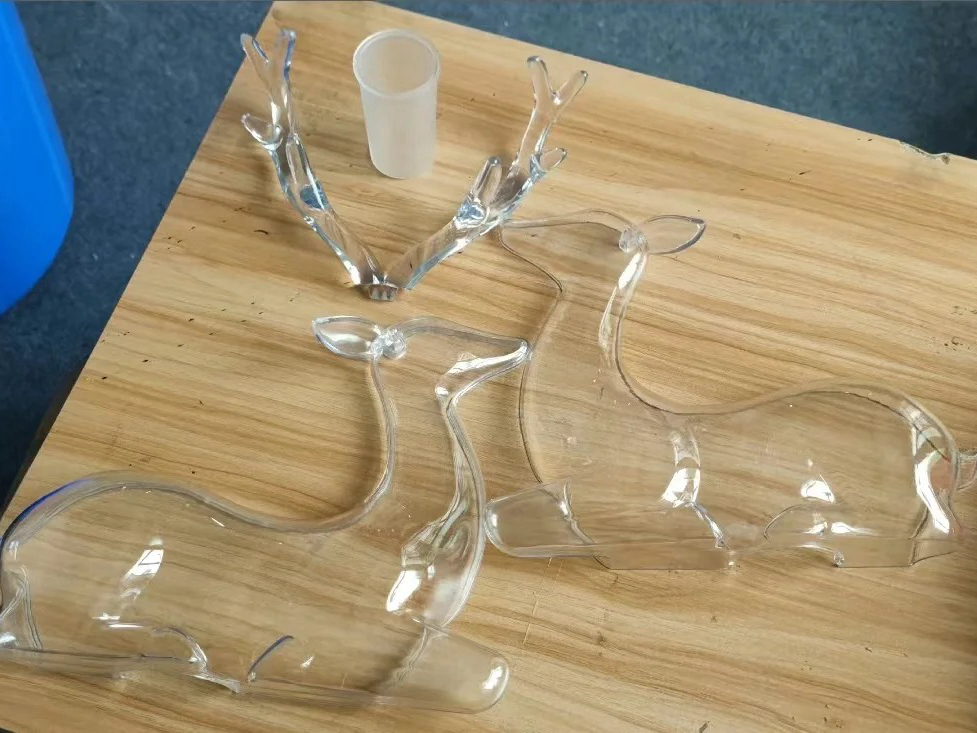
Transparent Resins enable optical applications requiring light transmission, fluid visualization, or aesthetic transparency. Post-processing with appropriate Surface Treatment techniques, including sanding and clear coating, can achieve optical clarity approaching that of acrylic. These materials support microfluidic device development, lens prototyping, and lighting component validation.
Castable Materials for Jewelry and Investment Casting
Castable Resins burn out cleanly during investment casting processes, leaving minimal residue and enabling direct production of metal components. These materials are essential for Fashion and Jewelry applications, dental restorations, and any metal part requiring the geometric complexity enabled by SLA printing. The clean burnout characteristics ensure successful casting outcomes without contamination of precious metals or specialized alloys.
UV-Resistant Outdoor Materials
Applications exposed to prolonged sunlight or UV radiation benefit from UV-Resistant Resins formulated to resist yellowing and property degradation. These materials maintain mechanical integrity and appearance for outdoor signage, architectural models, and components in Architecture and Construction applications where UV exposure is unavoidable.
Advanced Composite and Filled Resins
Ceramic-Filled and Composite Materials
Ceramic-Filled Resins combine the processability of photopolymers with the thermal and wear properties of ceramics. After printing and debinding, these components undergo sintering to produce pure ceramic parts with properties approaching those of conventionally processed Ceramic materials. Similarly, Composite Resins incorporating glass, carbon fiber, or mineral fillers enhance specific mechanical properties for demanding applications.