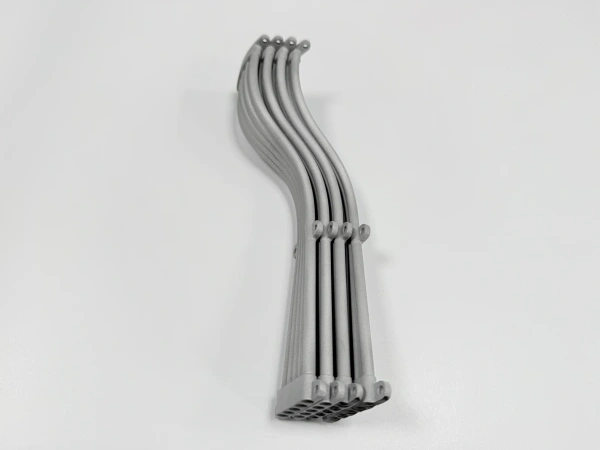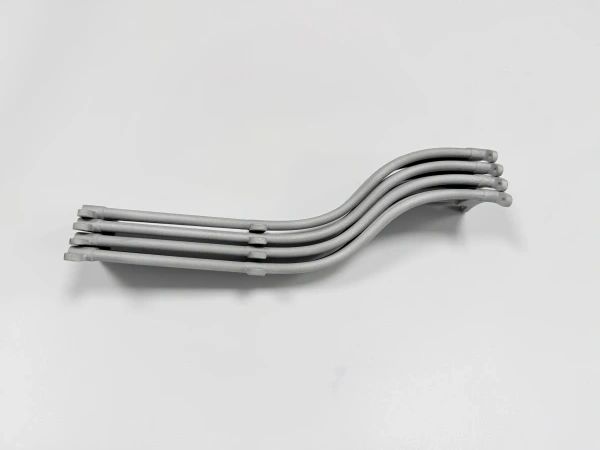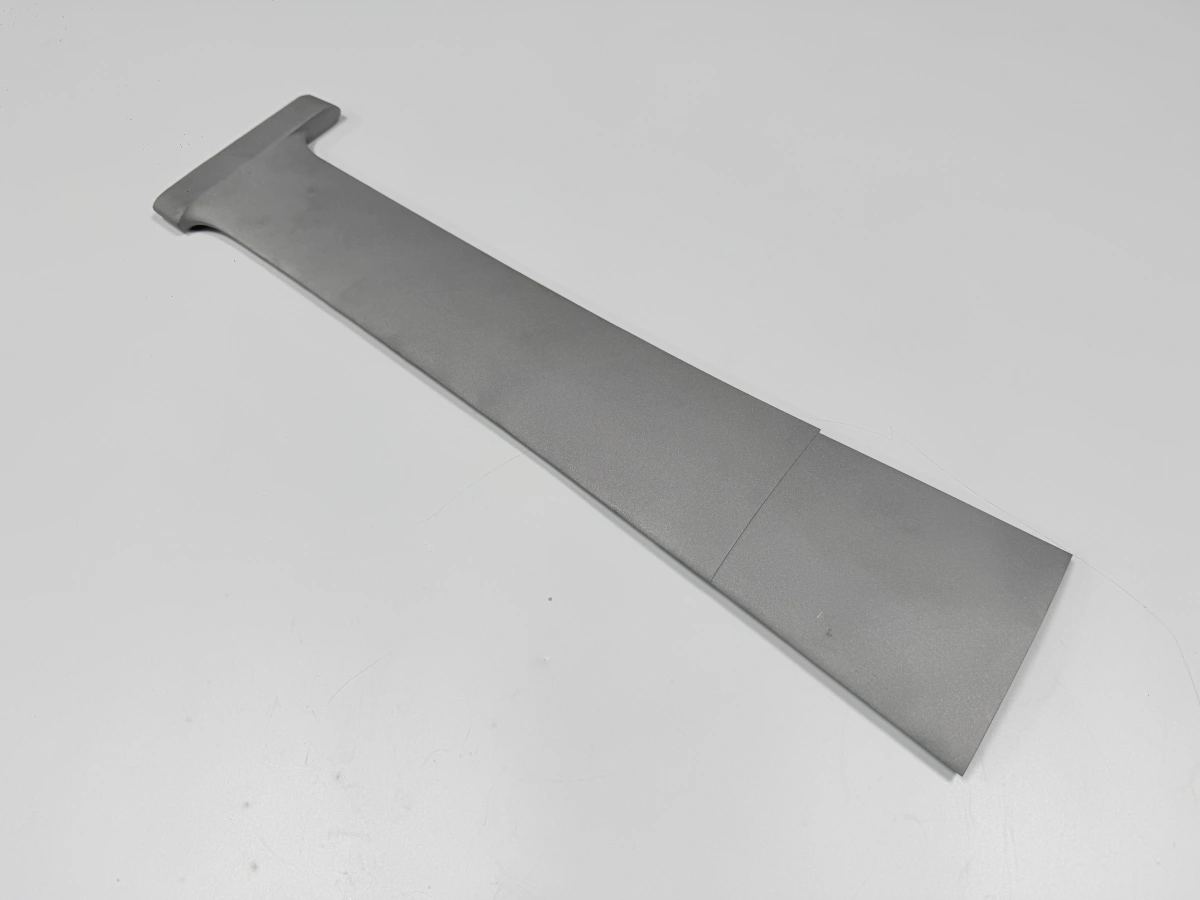
Titanium 3D Printing Cost Reduction Without Changing Function
3D printing titanium cost can often be reduced before the RFQ is sent, but the useful changes are not random thinning or removing requirements. The buyer should protect the function first, then review which geometry, support, machining stock, and inspection choices are driving avoidable cost. A cheaper quote that weakens a datum, sealing face, or load path is not a good saving.
Neway reviews titanium AM cost by asking which features must remain controlled and which features are only there because the CAD model inherited a machined-part habit. A Ti-6Al-4V bracket, fixture, housing, or lightweight part may keep the same function while changing support direction, local stock, inspection scope, or prototype finish level. Those decisions affect the quote more clearly than asking for a general discount.
This article gives buyers practical design levers for titanium 3D printing service RFQs. It avoids cost-saving percentages because the real effect depends on part geometry, quantity, material route, post-processing, and acceptance evidence.
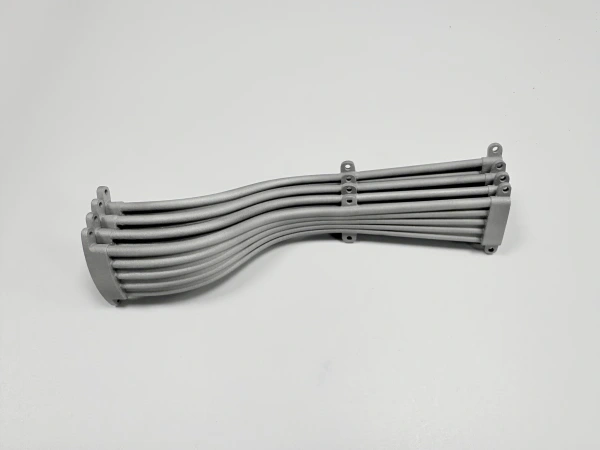
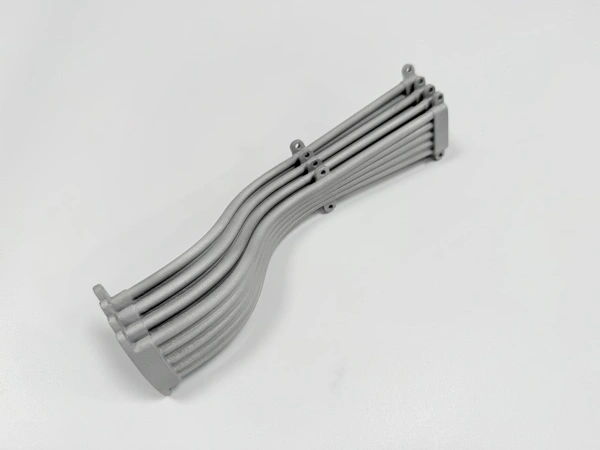
Design Choices That Drive Titanium Build Cost
The first cost lever is build orientation. Orientation affects support volume, build height, surface direction, distortion risk, and whether critical faces need extra machining stock. A part oriented for the smallest footprint may become expensive if it creates tall build time or places supports on a functional surface. A part oriented for easy support removal may need more build area but less finishing risk.
Build volume also matters, but buyers should not reduce envelope size blindly. Removing a temporary machining tab or stock pad too early can make the part harder to finish. The better question is which added material protects function and which material is only present because the design was copied from CNC machining. If a boss, rib, or thick wall does not carry load, seal, locate, or support machining, it should be reviewed.
For powder bed fusion, nesting efficiency can affect repeat-lot cost. Parts that are too tall, widely spread, or sensitive to orientation may reduce batch efficiency. If the buyer expects repeat quantities, that should be discussed before approving a prototype layout.
Reducing Support Without Removing Functional Material
Support reduction is useful when it avoids nonfunctional material, hard-to-remove structures, or scars on sensitive surfaces. It becomes risky when it removes stiffness from thin walls, leaves overhangs unstable, or forces support contact into a load path. Buyers should identify no-support surfaces and accept-support surfaces on the drawing or in the RFQ notes.
Fillet changes, overhang angle changes, access openings, and local rib adjustments can reduce support without changing the part's function. A small design change near a lug may move supports away from a fatigue-sensitive surface. A drain or access opening may simplify powder removal. A temporary tab may increase printed volume but reduce CNC setup risk, so it may still lower finished-part cost.
Support removal should be considered together with heat treatment. Titanium parts may need stress relief before aggressive support removal, especially when thin walls, long arms, or delicate bracket features are present. Asking for the lowest print price without considering this sequence can push cost into rework or inspection problems later.
Design lever | Cost driver reduced | Function risk | Review before change | Quote note |
|---|---|---|---|---|
Change build orientation | Support contact, build height, or finishing access | May shift surface direction on a critical face | Check datums, load paths, and no-support zones | Ask supplier to compare route risk, not only print cost |
Add local access opening | Powder removal and inspection uncertainty | Opening may affect stiffness or sealing | Confirm whether the opening is allowed by design authority | Show accepted access features on the STEP file |
Limit machining stock to interfaces | CNC time and material removal | Too little stock can miss finished surfaces after distortion | Mark threads, bores, sealing faces, and datum pads | Separate machined and as-printed surfaces |
Simplify prototype inspection | CMM programming and reporting effort | Missing evidence can block receiving or design decisions | Keep measurements tied to prototype purpose | Request optional full report only if needed |
Freeze repeat-lot route | Replanning and supplier comparison confusion | Prototype shortcuts may not suit repeat supply | Approve material, orientation, heat treatment, and inspection scope | Define included records before PO release |
Machining Stock That Should Exist Only Where Needed
Metal 3D printing with CNC post machining should not mean machining the whole titanium part. Threads, bores, sealing faces, bearing seats, datum pads, and close-fit surfaces usually need CNC machining. Freeform ribs, clearance pockets, and nonfunctional contours may remain as printed or receive only local finishing if the drawing allows it.
Stock should be placed where the part will be held, located, and measured. A thin wall does not need extra stock if it is only a clearance surface. A mounting pad may need stock because support removal and heat treatment can move the surface before final machining. A hole may be printed as a pilot but finished after datums are established. These choices reduce cost by narrowing finished-part work to real interfaces.
Buyers can help by using drawing notes that distinguish critical and noncritical surfaces. If every surface has a tight general tolerance or finish note, the quote must assume broad finishing and inspection. If the drawing identifies the functional surfaces, the supplier can protect those features and avoid unnecessary work elsewhere.
Optional finish levels should be quoted separately when the buyer is still learning from the prototype. A support-contact area hidden inside a clearance pocket may only need local cleanup. A sealing face or bearing seat should remain a mandatory machining item. This separation keeps the function protected while giving purchasing a clear view of which operations can be deferred, simplified, or added later.
Inspection Simplification Without Losing Critical Evidence
Inspection is another buyer-controlled cost lever. A full CMM report on every contour may not help a prototype whose purpose is assembly clearance. At the same time, skipping measurement on a bore pattern or sealing face can make the prototype useless. The inspection package should match the decision the buyer needs to make.
For a first titanium prototype, selected measurements on machined datums, bolt holes, and critical envelopes may be enough. For repeat low-volume supply, the buyer may need a defined report format, material record, heat treatment record, and evidence tied to the drawing revision. Heat treatment and HIP should be quoted only when required by function, drawing, or acceptance plan.
The goal is not to remove evidence; it is to stop buying evidence that does not answer the engineering question. A prototype for ergonomics, a bracket for fit, and a functional low-volume part should not carry the same report burden by default.
Cost Notes to Separate Prototype and Repeat Lots
Prototype quantity and repeat-lot quantity change the design-for-cost discussion. In a one-off prototype, it may be acceptable to leave more manual finishing or use a simpler inspection package. In a repeat lot, small inefficiencies in support removal, machining setup, or inspection can become recurring cost. Buyers should say whether the quote is for proof of shape, functional testing, or repeat supply.
Cost reduction should also be locked to drawing revision control. If Neway proposes a thinner rib, changed hole pilot, relocated support face, or added machining tab, the buyer should confirm whether the change is allowed for the current revision. Otherwise a low-cost prototype may no longer represent the geometry the engineering team meant to test.
A reliable RFQ should include the STEP file, 2D drawing, titanium grade, quantity, prototype or repeat stage, required function, surfaces that cannot receive support, machined interfaces, allowed design changes, heat treatment or HIP expectations, surface finish, inspection records, and target delivery timing. If Neway is allowed to propose cost-reduction changes, state whether those changes need written approval before printing.
Titanium AM cost is most controllable before the model is frozen. Once the part is printed, support scars, missing stock, inaccessible bores, and excessive inspection notes are no longer cheap to correct, especially after the purchase order is released.
Related FAQs