Aluminum 3D Printing Service for Lightweight Production Parts
Aluminum 3D printing service is worth quoting when the part gains value from weight reduction, integrated ducts, internal passages, or a low-volume build route that avoids hard tooling. It is not the default answer for every aluminum component. A simple plate, shaft, spacer, or rectangular housing with open machining access may still be more practical as CNC machined 6061 or 7075.
For Neway, an aluminum RFQ starts with the function of the part: bracket, housing, duct, heat-exchanger-like channel, fixture, or production insert. That function controls alloy choice, build orientation, support strategy, heat treatment discussion, CNC finishing, and whether the buyer should remain in additive manufacturing for pilot lots or prepare for casting tooling later.
This article helps purchasing and engineering teams decide whether lightweight aluminum 3D printed parts should be quoted as prototypes, pilot-run hardware, or low-volume production parts. The strongest RFQ separates printed geometry from finished surfaces, because bearing seats, threaded holes, sealing faces, datum pads, and broad flat faces rarely belong in the same acceptance category as as-printed ribs or internal duct walls.
When Aluminum PBF Is Better Than Machining or Tooling
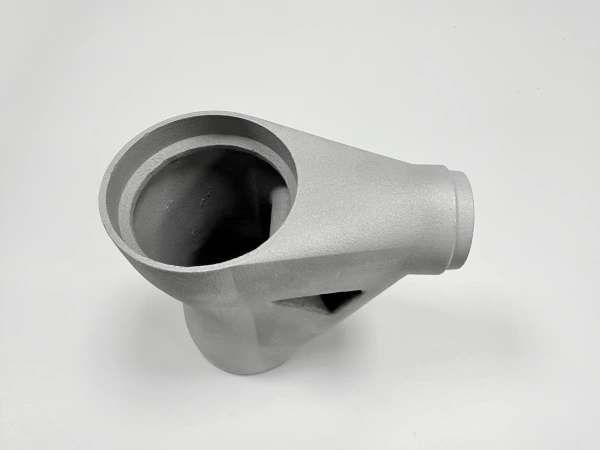
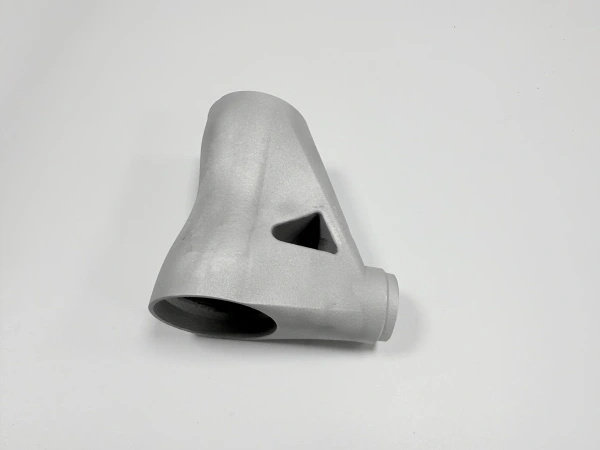
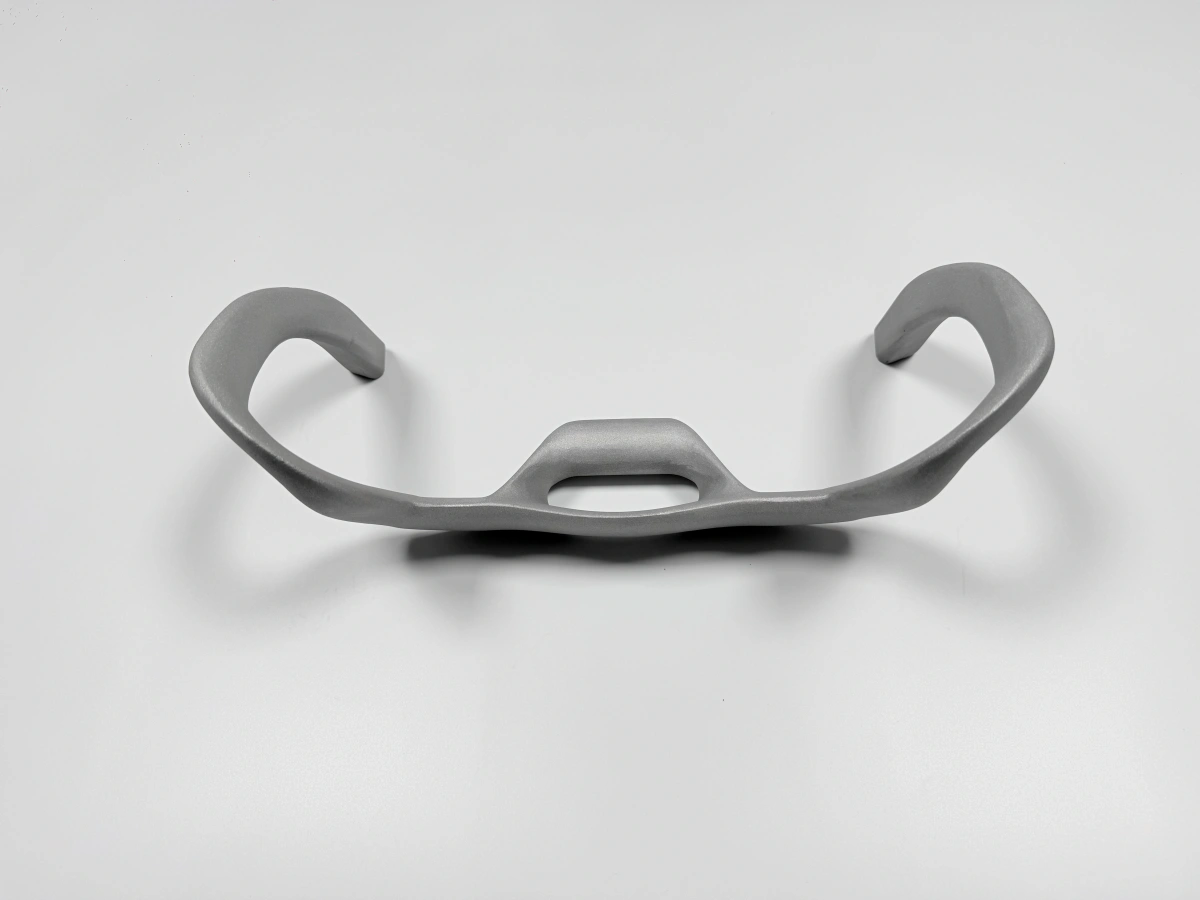
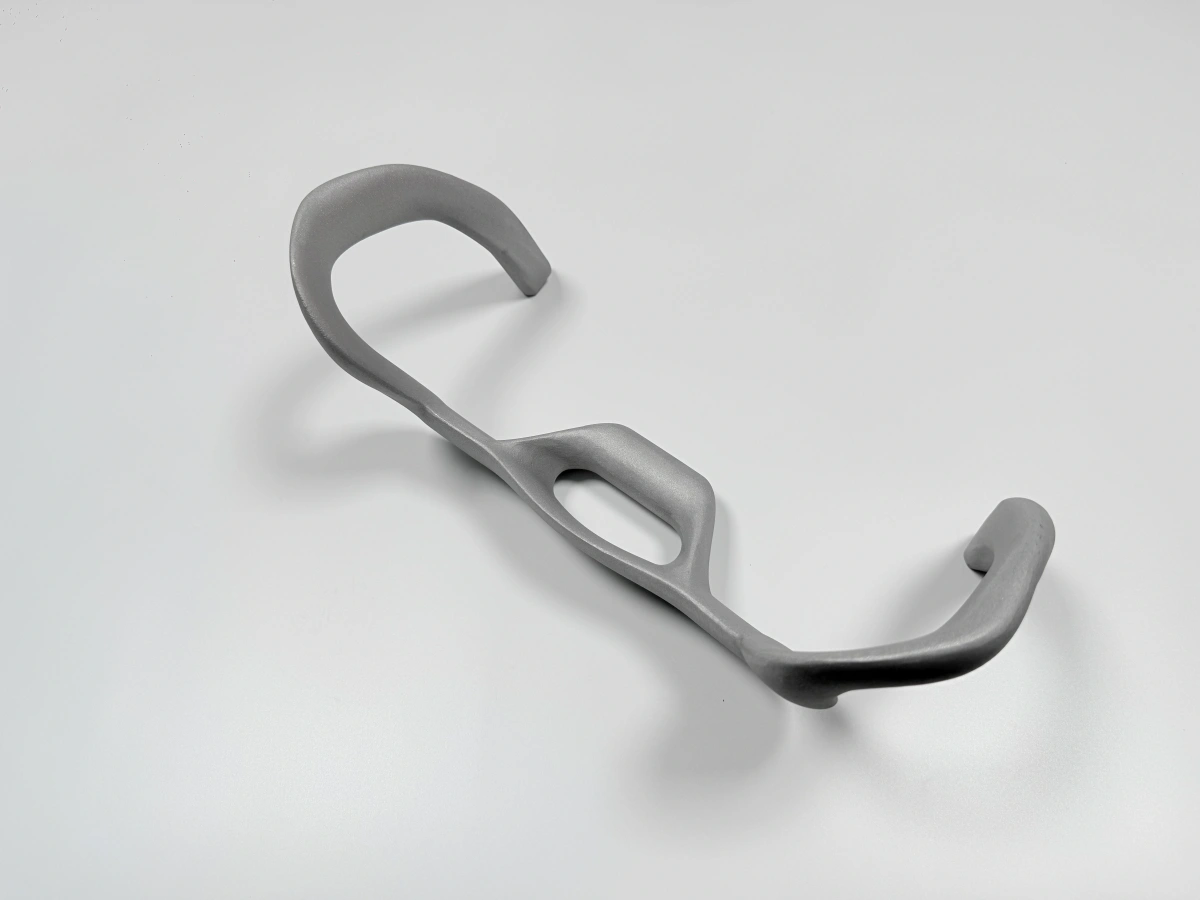
Powder bed fusion aluminum is usually considered when the CAD model has features that create manufacturing value: lattice-like weight reduction, curved ducts, integrated mounting bosses, internal cooling passages, thin ribs, or part consolidation. In these cases, the buyer is not only purchasing an aluminum blank. The buyer is paying for geometry that may remove assemblies, reduce fasteners, or test a lighter design before tooling money is committed.
CNC machining remains strong for simple prismatic aluminum parts, thick plates, shafts, flat covers, and open housings where the tool can reach every feature. Die casting or investment casting can become attractive when the part is mature and repeat volume justifies tooling, gating review, and casting qualification. Aluminum 3D printing sits between those routes: useful for complex prototypes, pilot lots, and repeat low-volume batches where geometry is more important than the lowest raw blank cost.
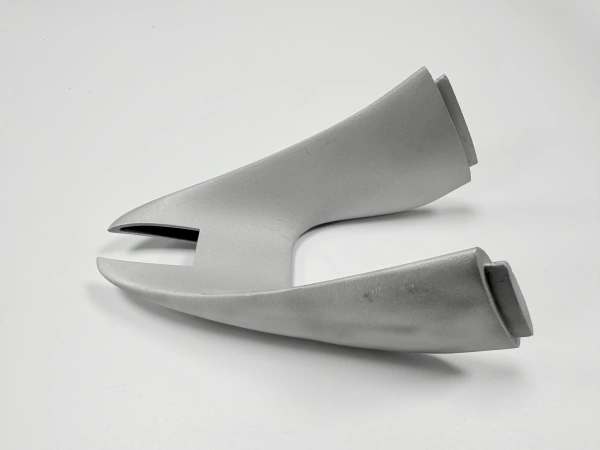
A practical aluminum additive manufacturing review should identify which geometry makes printing valuable. A bracket with topology-optimized arms, cable clearance, and integrated bosses may fit PBF. A broad flat plate with a few drilled holes should usually be quoted for CNC. A consumer-style enclosure with cosmetic external faces and high annual volume may need molding or casting discussion instead of metal AM.
AlSi10Mg, Scalmalloy, and Wrought Aluminum Expectations
AlSi10Mg is often the starting point for aluminum powder bed fusion because it is a familiar printable aluminum alloy route for lightweight brackets, housings, ducts, and functional prototypes. Scalmalloy or AlMgScZr-type routes may be discussed when the buyer needs a higher-strength lightweight aluminum AM path, subject to material availability and engineering review. Wrought alloys such as 6061 and 7075 should not be assumed to print with the same behavior they have in CNC machining.
The buyer should not write only "aluminum" on the RFQ. The alloy changes powder availability, heat treatment review, surface finishing, CNC behavior, and inspection records. If the drawing is still flexible, Neway can quote alternatives such as aluminum alloys for powder bed fusion, AlSi10Mg, or Scalmalloy, but they should be treated as alternate manufacturing routes rather than silent substitutions.
Aluminum route under review | Where it usually fits | RFQ decision before quoting |
|---|---|---|
AlSi10Mg PBF | Lightweight brackets, ducts, housings, prototypes, and small batches with integrated geometry. | Confirm printed surfaces, CNC faces, heat treatment expectations, and quantity stage. |
Scalmalloy / AlMgScZr-type PBF | Higher-strength lightweight aluminum concepts where the material route is part of the design review. | Check material availability, drawing acceptance, and whether alternate alloy lines are allowed. |
CNC 6061 or 7075 | Simple blocks, plates, covers, shafts, and parts needing broad machined accuracy at accessible features. | Confirm whether internal geometry or weight reduction actually requires printing. |
Casting or die casting | Mature repeat parts where tooling cost can be spread across production volume. | Decide whether the current RFQ is prototype, pilot lot, or tooling-ready production. |
Thin Ribs, Ducts, and Broad Faces Drive Build Risk
Aluminum has low density and good thermal behavior, but the printed part still needs a realistic build strategy. Thin ribs may be attractive for stiffness-to-weight goals, yet they can increase support planning, local distortion review, and cleaning access concerns. Long ducts or heat-exchanger-like channels may justify powder bed fusion, but they also require a powder removal path and a way to verify that hidden passages are open enough for the buyer's function.
Broad flat faces are a different risk. Large planar surfaces can move during printing, stress relief, support removal, or heat treatment. If the final part needs flat sealing faces, gasket lands, bearing seats, or precise mounting datums, those areas should be called out for machining allowance instead of relying only on the as-printed surface. Unsupported overhangs, deep pockets, and closed cavities should be reviewed early because they can change orientation, support volume, and post-processing access.
Housings and lightweight covers often need a split decision: print the integrated geometry, then machine the functional interfaces. Ducts need a different decision: print the flow path, then define how the buyer will accept internal cleanliness or passage condition. Brackets need another decision: protect the load path and mounting holes while using AM only where shape freedom creates value.
CNC Finishing Should Be Reserved for Functional Aluminum Faces
CNC finishing is commonly added to aluminum 3D printed parts, but it should not be applied to every surface without a reason. Threads, bores, dowel holes, bearing seats, sealing faces, datum pads, flat mounting faces, and precision slots usually need post-machining. Decorative ribs, non-contact walls, internal duct surfaces, and clearance regions may remain as printed or receive blasting, polishing, or other surface treatment if the drawing permits it.
The quote changes when machining access is poor. A printed housing may need sacrificial pads, fixture tabs, or datum features so the final CNC operation can locate the part consistently. If the buyer removes those pads from the design too early, the manufacturing route may become more expensive or less stable. EDM is less common than CNC for typical aluminum PBF finishing, but difficult slots or access-limited features should still be discussed if the drawing requires them.
Buyer part condition | Better first route to quote | Reason the route changes cost |
|---|---|---|
Simple flat cover with open holes | CNC aluminum machining | Printing adds support and finishing without enough geometry benefit. |
Lightweight bracket with integrated bosses | Aluminum PBF plus selective CNC | AM creates the shape; CNC controls holes, seats, and datums. |
Small duct with curved internal passage | Aluminum PBF with powder removal review | Internal geometry is difficult to machine from solid stock. |
Repeat housing after design freeze | Compare PBF, CNC, and casting tooling | Tooling may become reasonable when geometry and volume are stable. |
Prototype, Pilot Lot, and Low-Volume Aluminum Scope Are Different
A prototype quote can focus on proving fit, flow, weight, and assembly. It may accept simplified finishing if the goal is design learning. A pilot lot needs more control: consistent orientation, support strategy, heat treatment note, CNC datum plan, surface condition, and inspection format. Low-volume production needs repeatability between lots, agreed material route, documented finishing steps, and a stable drawing revision.
Buyers should be careful when moving from one printed prototype to a repeat order. A design that works as one sample may need support reduction, machining allowance changes, or a different orientation before it is efficient as a batch. Nesting efficiency, build height, support volume, and post-processing labor can change the finished-part cost. The lower raw material weight of aluminum does not automatically make the finished part cheap if support removal, CNC access, and inspection are complex.
Casting tooling should be reviewed when the same design repeats and the geometry no longer changes. Aluminum AM can still support bridge production, spare parts, and complex low-volume components, but it should not be used to avoid tooling forever when volume, cosmetic expectations, and part maturity clearly point to another process.
Quote Inputs That Prevent Aluminum AM Scope Drift
For a reliable aluminum 3D printing service quote, send the STEP model, 2D drawing, alloy preference, quantity, prototype or production stage, application environment, and target function. Mark threaded holes, bores, sealing faces, datum pads, bearing seats, flat mounting faces, broad cosmetic surfaces, internal channels, powder removal openings, and surfaces that cannot show support marks.
Also state which operations are required and which are optional: stress relief, heat treatment, CNC machining, blasting, polishing, coating, anodizing if specified by the buyer, dimensional inspection, material record, and surface report. If the design may move to CNC or casting later, say that in the RFQ. Neway can then separate a prototype aluminum AM price from a pilot-lot finished-part scope and a production-route comparison.
Related FAQs
How do the strengths of 3D printed and sand cast aluminum parts compare?
Which surface finishing method provides the best surface roughness?
What are the common heat treatment processes used for 3D printed parts?
How does heat treatment affect the surface quality of 3D printed parts?