Aluminum Alloys
Aluminum Alloys 3D Printing Materials Introduction
Aluminum alloys are widely used in additive manufacturing due to their excellent strength-to-weight ratio, corrosion resistance, and thermal conductivity. These materials are particularly suitable for applications requiring lightweight structures without compromising mechanical performance.
Through advanced metal 3D printing, alloys such as AlSi10Mg, AlSi12, and AlSi7Mg are commonly used for general-purpose lightweight components, while AlMgSi offers improved ductility. High-performance alloys like A20X and AMCPERFORM® provide enhanced strength and fatigue resistance, making them ideal for demanding aerospace and automotive applications.
Aluminum Alloys Grades Table
Category | Grade | Key Characteristics |
|---|---|---|
Al-Si Alloy | Excellent strength, corrosion resistance, and widely used for structural parts | |
Al-Si Alloy | Good fluidity and castability with moderate strength | |
Al-Si Alloy | High ductility with good mechanical performance | |
Al-Mg-Si Alloy | Balanced strength, corrosion resistance, and good weldability | |
High-Performance Alloy | High strength and fatigue resistance for aerospace applications | |
Advanced Alloy | Enhanced mechanical properties and thermal stability |
Aluminum Alloys Comprehensive Properties Table
Category | Property | Value Range |
|---|---|---|
Physical Properties | Density | 2.6–2.8 g/cm³ |
Melting Point | 570–660°C | |
Mechanical Properties | Tensile Strength | 200–500 MPa |
Yield Strength | 120–400 MPa | |
Elongation | 3–15% | |
Functional Properties | Thermal Conductivity | 120–180 W/(m·K) |
Corrosion Resistance | Good to Excellent |
3D Printing Technology of Aluminum Alloys
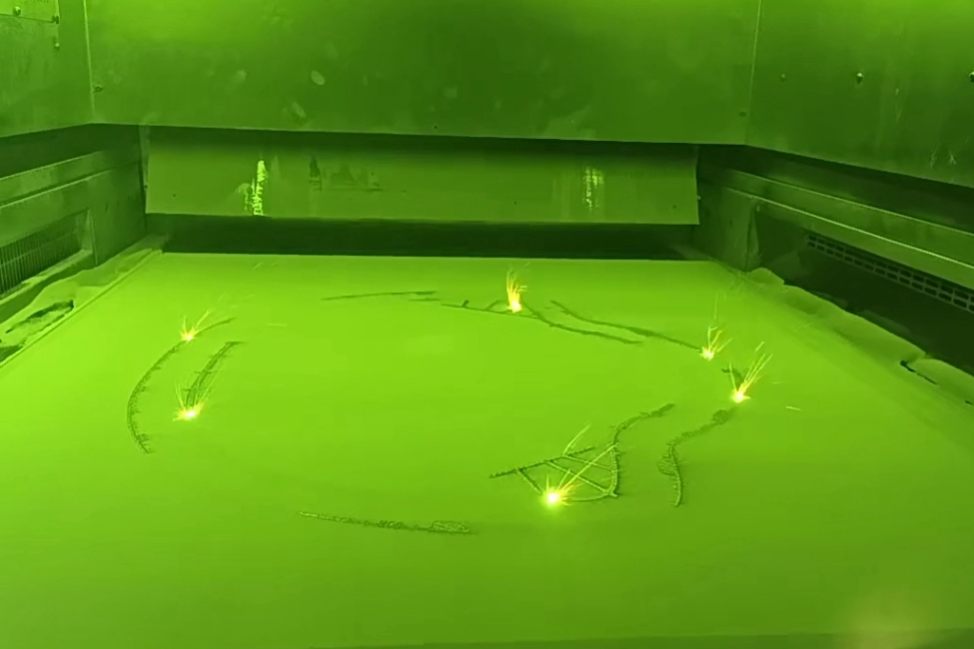
Aluminum alloys are primarily processed using powder bed fusion technologies such as Selective Laser Melting (SLM) and Direct Metal Laser Sintering (DMLS). These methods enable high-density parts with complex geometries and excellent mechanical performance.
Applicable Process Table
Technology | Precision | Surface Quality | Mechanical Properties | Application Suitability |
|---|---|---|---|---|
SLM | ±0.05–0.2 mm | Ra 3.2–6.4 | Excellent | Aerospace, automotive lightweight structures |
DMLS | ±0.05–0.2 mm | Ra 3.2 | Excellent | Precision components and functional parts |
Aluminum Alloys 3D Printing Process Selection Principles
For high-strength and lightweight structural components, Selective Laser Melting (SLM) is recommended, offering excellent density and mechanical performance.
DMLS is suitable for precision parts requiring fine detail and consistent quality in industrial applications.
Aluminum Alloys 3D Printing Key Challenges and Solutions
Aluminum alloys are prone to oxidation and reflectivity issues during laser processing. Optimized laser parameters and controlled atmospheres are essential to ensure stable melting and part quality.
Porosity can affect mechanical performance. Applying Hot Isostatic Pressing (HIP) significantly improves density and structural integrity.
Surface roughness may require post-processing. Precision CNC machining and advanced surface treatment techniques can achieve smooth finishes and tight tolerances.
Industry Application Scenarios and Cases
Aerospace and Aviation: Lightweight structural components and heat exchangers.
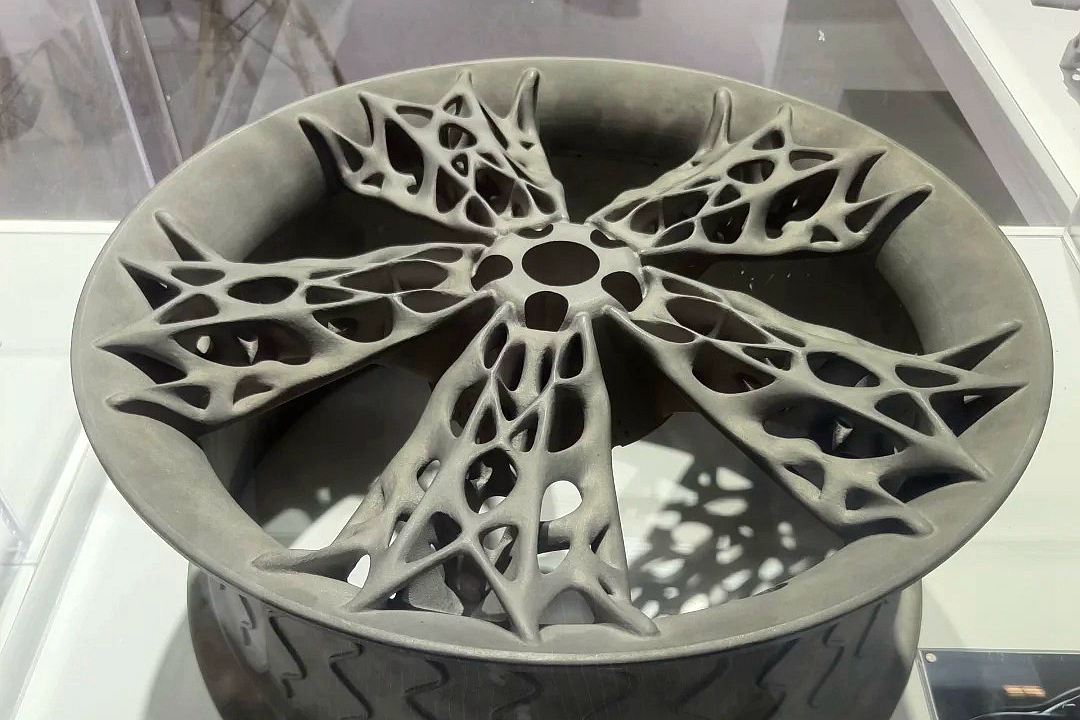
Automotive: Lightweight brackets, housings, and performance parts.
Energy and Power: Thermal management components and lightweight assemblies.
In industrial applications, aluminum 3D printed components can reduce weight by up to 40% while maintaining structural integrity, significantly improving system efficiency.
Explore Related Blogs