English

What are the most commonly used resin materials in PolyJet printing?

Table of Contents
What Are the Most Commonly Used Resin Materials in PolyJet Printing?
Overview of PolyJet Materials
Commonly Used PolyJet Resin Categories
Customer-Oriented Solutions and Services

What Are the Most Commonly Used Resin Materials in PolyJet Printing?

Overview of PolyJet Materials

PolyJet jets photopolymer droplets and cures them with UV light. Common material categories include rigid opaque resins, transparent resins, elastomer-like resins, temperature-resistant formulations, dental or medical application resins, and digital blends that combine colors or hardness zones. Its principal strengths are appearance, fine detail, color, transparency, and multi-material simulation. These remain photopolymers: creep, UV aging, heat, moisture, chemicals, tear, and support-material removal can limit functional life. Select the exact machine-material combination from the intended prototype or device requirement rather than a generic resin category.

Commonly Used PolyJet Resin Categories

Standard Resins

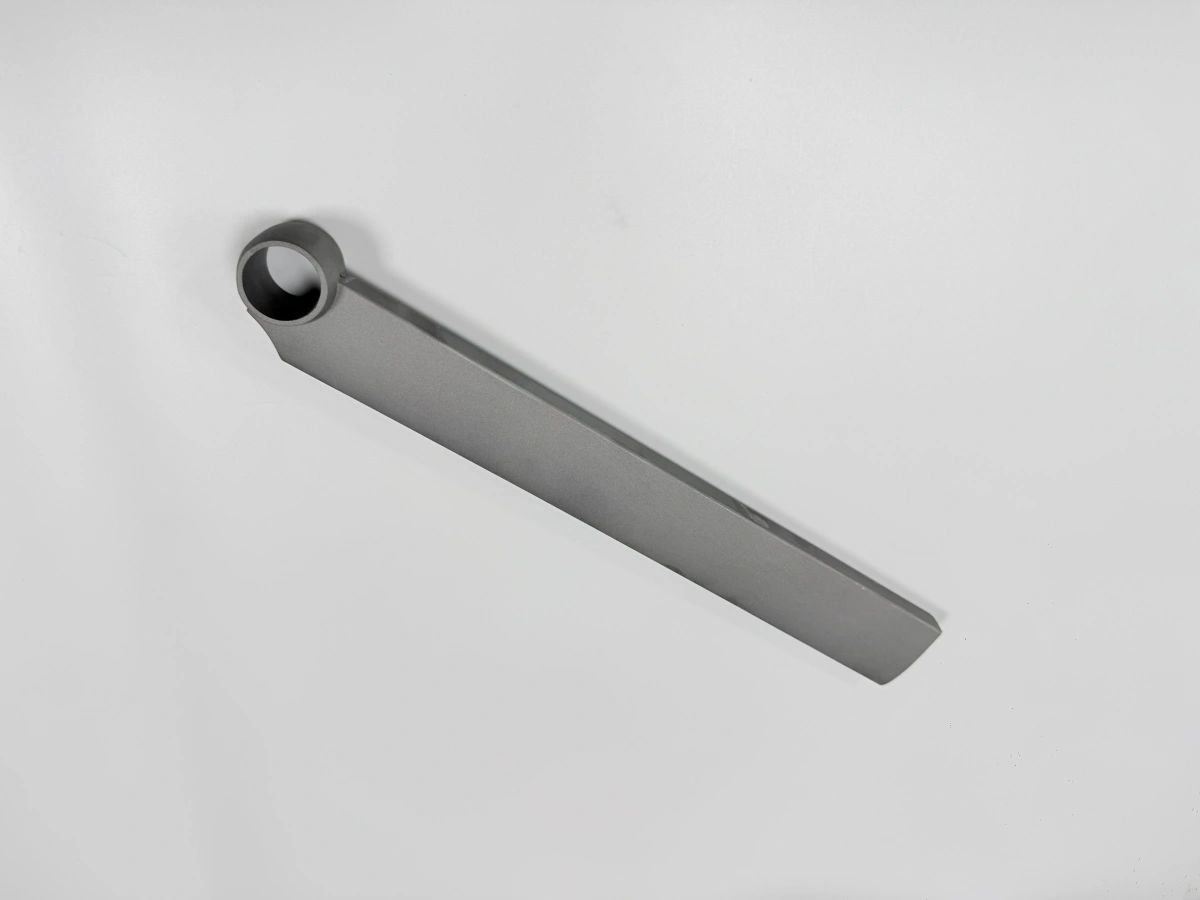
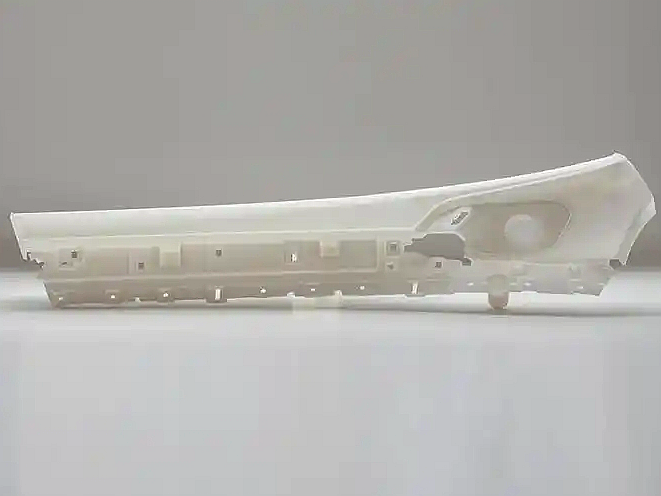
Designed for accurate visual prototypes with smooth surfaces and fine details.

  • Applications: Product models, cosmetic casings, concept validation

Rigid Resins

Formulated for high dimensional accuracy and smooth finishes.

  • Features: a Shore hardness above 85D may describe a selected rigid PolyJet material, but hardness alone does not establish strength, impact, creep, heat, fluid resistance, or aging. State the exact material, color, printer, orientation, support-cleaning route, test standard and conditioning, then validate the thin walls, interfaces, fasteners, and surface used by the real model or component.

  • Applications: Enclosures, display models, precision housings

Flexible Resins (Rubber-Like Materials)

Simulate elastomeric behavior with Shore A hardness from 30 to 95.

  • Applications: Seals, grips, overmolds, cushioning elements

Transparent Resins

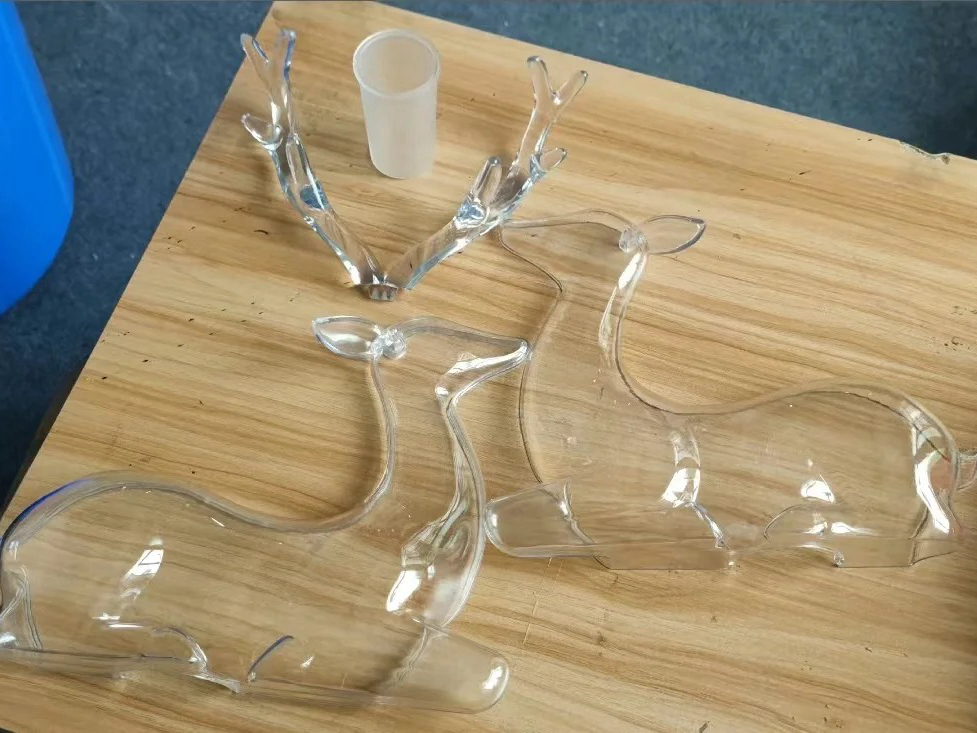
Clear or translucent resins are used for visual flow checks or optical component simulation.

  • Applications: Light guides, fluidic models, lens prototypes

High-Temperature Resins

Maintain stability at elevated temperatures, suitable for thermal testing.

  • Heat deflection temperature: Up to 80–100°C

  • Applications: Mold inserts, functional prototypes under thermal load

Digital Materials (Composite Blends)

Enable custom mechanical or visual properties by blending rigid and flexible base resins.

  • Applications: Multi-material parts with varied hardness, color, or translucency zones

Biocompatible Resins

Certified for limited skin and mucosal membrane contact.

  • Standards: ISO 10993, USP Class VI

  • Applications: Dental models, surgical planning guides, medical device prototypes


Customer-Oriented Solutions and Services

For PolyJet material selection, define whether the model must reproduce color, transparency, soft-touch response, overmold appearance, anatomical contrast, assembly fit, texture, or a short functional load. Provide quantity, rigid and flexible zones, target hardness or tactile standard, critical dimensions and gaps, support-removal access, cosmetic faces, temperature, UV, moisture, chemicals, skin contact, expected age, finish, inspection, and packaging. Ask for the exact printer, base resins and digital blend, layer and orientation, support material, removal method, cleaning, post-treatment, color management, dimensional condition, and sample approval. Digital materials interpolate behavior from multiple photopolymers but are not equivalent to production overmolded thermoplastics or elastomers. Shore hardness alone does not establish tear, compression set, fatigue, friction, or aging. Transparent models need defined transmission, haze, color, thickness, and surface; colored models need physical appearance standards and lighting. Support removal can damage small channels, soft regions, or narrow gaps and may leave residue, so inspect accessible and hidden areas. For medical or skin-contact use, confirm the exact material and finished workflow; a model resin is not automatically a patient-contact device material. Compare PolyJet with SLA, DLP, MJF, molding, and multi-part assembly according to the evidence needed. The services below can support a realistic model or qualified short-life part when those boundaries are clear:

  1. 3D Printing Technologies: PolyJet material names usually describe a vendor-specific photopolymer family, not a universal resin specification. Rigid opaque grades serve appearance models and dimensional prototypes; clear grades support visual flow, lighting, and transparent housings after suitable finishing; rubber-like grades provide selected Shore A responses for grips, seals, and overmold simulations; biocompatible grades cover only the documented contact and workflow; high-temperature or digital blends target particular thermal, stiffness, color, or tactile behavior. Digital materials mix or spatially combine base materials to simulate multiple properties, but the printed response, interface, aging, and temperature resistance must be tested rather than inferred from a molded elastomer or thermoplastic name. PolyJet is especially useful when color, texture, soft-hard transitions, small details, or a single assembled appearance model carries value. It also requires support-material removal, and narrow channels, porous surfaces, deep cavities, or delicate interfaces can be difficult to clean completely. For an RFQ, define hardness range, color standard, transparency, surface, feature size, contact type, load, temperature, fluids, UV exposure, cleaning, quantity, and life. Ask which printer and material batch will be used, how supports are removed, where interfaces are placed, how parts are post-treated, and how dimensions and Shore hardness are verified. Compare SLA or DLP for single-material accuracy, SLS or MJF for durable nylon, FDM for engineering thermoplastics, and molding for sustained production. Approve a finished production-intent sample because color, clarity, feel, and mechanical behavior change with geometry, cleaning, coating, and age.

  2. Material Selection:

  3. Application Support: