How Much Does AlMgScZr / Scalmalloy 3D Printing Cost?
An AlMgScZr quote should identify the grade or supplier specification, CAD and drawing revision, quantity, process, orientation, service temperature, load, surface, final condition, inspection, and delivery milestone. The alloy name alone leaves important process and acceptance questions open.
Ask for powder traceability, parameter or build evidence, heat-treatment route, machining allowance, dimensional report, and mechanical or functional tests tied to the final state. Record every buyer-confirmed target before release.
Is AlMgScZr Suitable for High-Strength Aluminum 3D Printed Parts?
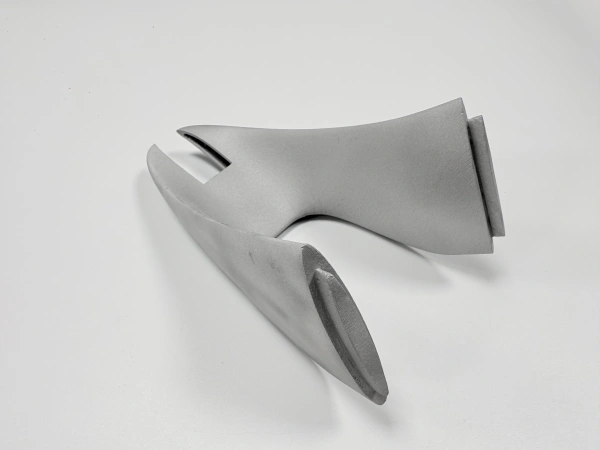
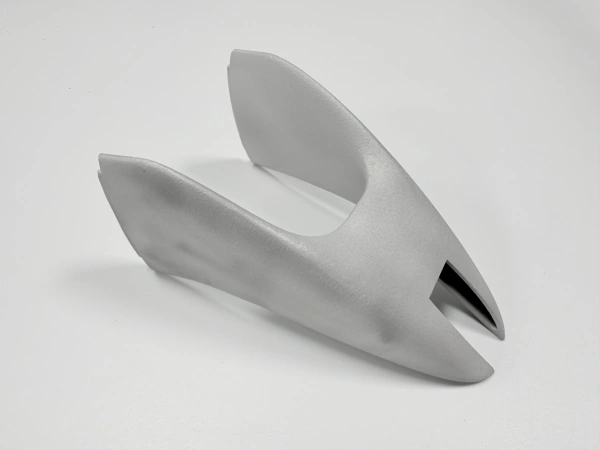
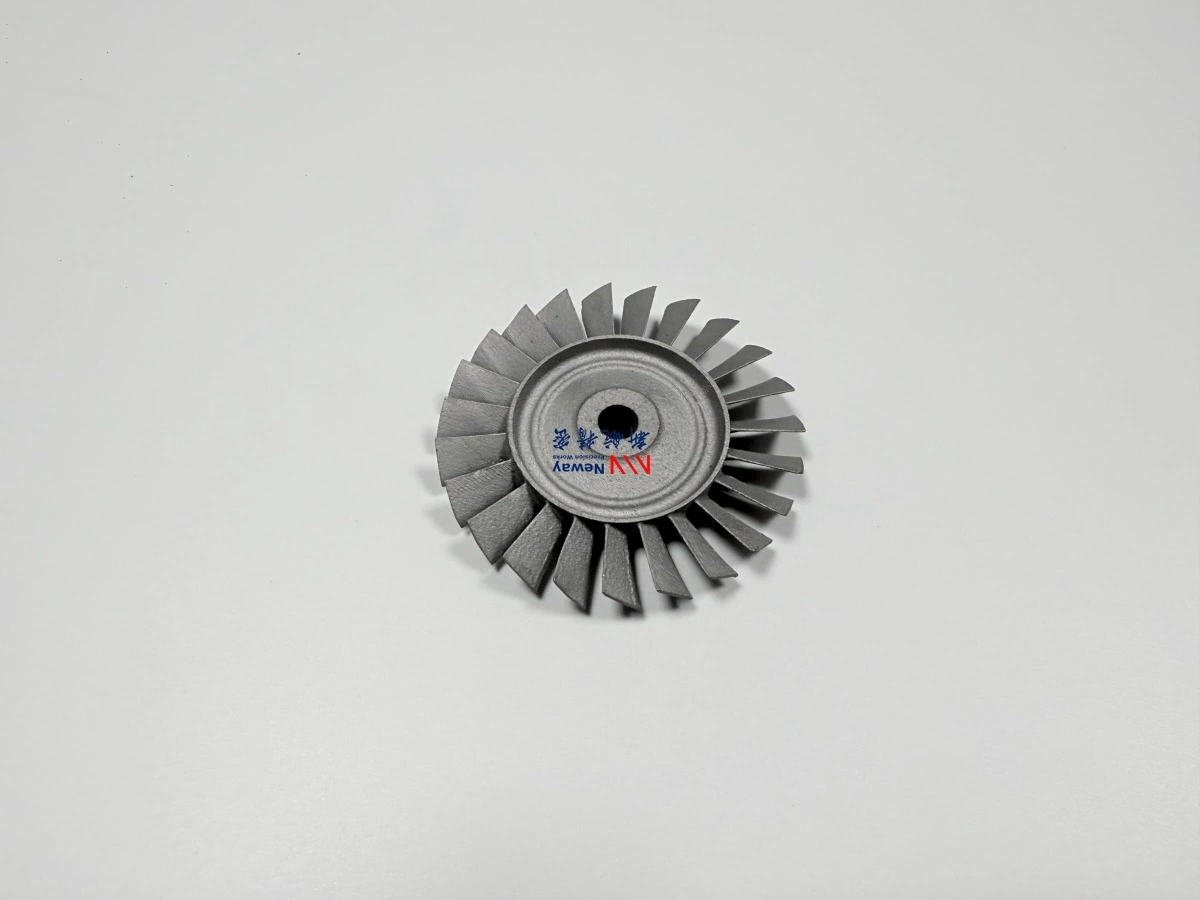
Yes. AlMgScZr is suitable for high-strength, lightweight, and load-bearing aluminum 3D printed parts. It is often used when standard aluminum alloys cannot meet the required strength-to-weight ratio, structural stability, or fatigue-related performance. For projects requiring advanced lightweight aluminum structures, Scalmalloy 3D printed parts can be a strong material option for functional prototypes and end-use structural components.
1. When Should You Choose AlMgScZr 3D Printing?
AlMgScZr is recommended when the part requires higher strength, lower weight, and better structural performance than common aluminum 3D printing materials. It is especially useful for components where weight reduction directly improves system efficiency, motion control, flight performance, or load-bearing capability.
High-strength lightweight aluminum structures
Load-bearing brackets and support parts
Topology-optimized aluminum components
Functional prototypes for aerospace, robotics, and motorsport
Small-batch structural parts with complex geometry
2. Suitable Parts for AlMgScZr 3D Printed Components
Application Area | Typical AlMgScZr Printed Parts |
|---|---|
Lightweight brackets, UAV structures, housings, structural nodes | |
Robotics | Robot arms, lightweight joints, motion components, end-effector structures |
Motorsport | Performance brackets, suspension-related parts, weight-saving supports |
Sports equipment | High-strength lightweight frames, custom structural components, optimized supports |
Industrial engineering | Precision fixtures, lightweight tooling, structural prototypes |
3. Advantages of AlMgScZr for High-Strength Aluminum Printing
AlMgScZr is selected for demanding aluminum additive manufacturing projects because it combines lightweight aluminum performance with higher strength potential. It is particularly useful when the design takes advantage of powder bed fusion to create optimized geometries.
High specific strength for lightweight structural parts
Good fit for topology optimization and lattice structures
Suitable for complex geometries that are difficult to CNC machine from billet
Useful for aerospace, UAV, robotics, and motorsport applications
Better choice than ordinary aluminum when structural performance is the priority
For broader material comparison, customers can also review aluminum alloys used in metal additive manufacturing.
4. Limitations of AlMgScZr Printed Parts
Although AlMgScZr is suitable for high-performance aluminum parts, it is not always the lowest-cost option. It should be selected when its higher strength and lightweight performance provide clear engineering value.
Limitation | Recommended Control Method |
|---|---|
Higher material cost | Use AlMgScZr for parts where strength-to-weight performance justifies the cost |
Critical tolerance surfaces | Reserve machining allowance for CNC post-machining |
Threaded holes and precision interfaces | Machine or tap after printing instead of relying on as-printed features |
Performance-sensitive applications | Confirm heat treatment, inspection, and mechanical property requirements before production |
Cosmetic or contact surfaces | Apply blasting, polishing, machining, or other finishing processes as needed |
5. RFQ Checklist for Custom AlMgScZr Parts
To quote custom AlMgScZr parts accurately, the supplier needs complete engineering information. This is especially important for load-bearing structural parts where performance, dimensional control, and inspection requirements directly affect manufacturing cost and feasibility.
3D CAD file, preferably STEP, STL, 3MF, or X_T
2D drawing with tolerances, datum references, threads, and critical dimensions
Required quantity for prototype, small batch, or production
Load condition, operating environment, and target weight requirement
Heat treatment or mechanical property requirements
CNC machining requirements for holes, threads, assembly faces, or sealing surfaces
Inspection requirements such as CMM report, 3D scanning, material certificate, or mechanical testing
6. Summary
AlMgScZr is suitable for high-strength aluminum 3D printed parts when the application requires lightweight design, structural performance, and complex geometry. It is especially valuable for aerospace brackets, UAV structures, robotics components, motorsport parts, and high-performance sports equipment. However, it is usually more expensive than common aluminum alloys, and critical surfaces often require CNC machining and inspection.
If you need custom AlMgScZr parts, provide the 3D model, 2D drawing, quantity, tolerance requirements, load conditions, heat treatment needs, and inspection requirements so the correct printing and post-processing route can be evaluated before quotation.
AlMgScZr should be compared with AlSi10Mg using the same geometry, orientation, final treatment, fatigue or thermal requirement, joining method, surface, and inspection plan. The higher-strength label does not automatically make it the lower-risk choice. Ask for the qualified material route, powder traceability, final-state data, and any design or heat-treatment boundary that limits the comparison.