Powder Bed Fusion Service Scope for Finished Industrial Metal Parts
A powder bed fusion 3D printing service quote can mean two very different things. One quote may cover a printed metal blank with supports removed. Another may cover heat treatment, HIP, CNC machining, EDM, surface finishing, and inspection records for a finished industrial part. If the purchase request does not define that boundary, the buyer may compare prices that do not describe the same deliverable.
Neway separates the build scope from the finished-part scope before quoting precision metal additive manufacturing work. The printed shape is only one stage. The final value may sit in a machined sealing surface, a controlled bore, an EDM slot, a protected thread, a post-HIP inspection record, or a surface finish that is suitable for assembly. These details affect price, route, and receiving acceptance more than the raw build volume alone.
This article helps purchasing, engineering, and project teams define what should be included when they ask for finished metal parts made by powder bed fusion. It is intended for industrial components where the part must be delivered ready for inspection, trial assembly, or low-volume production use.
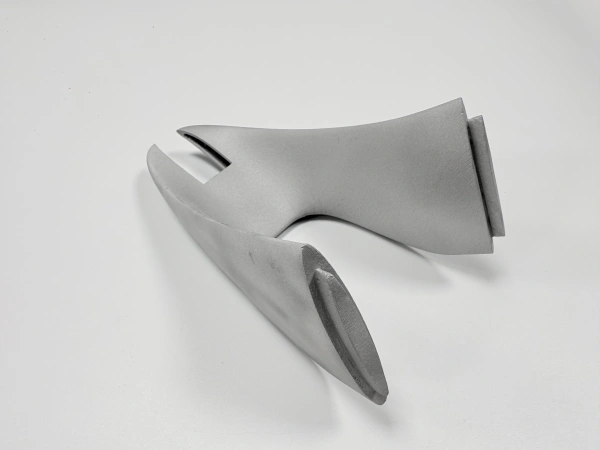
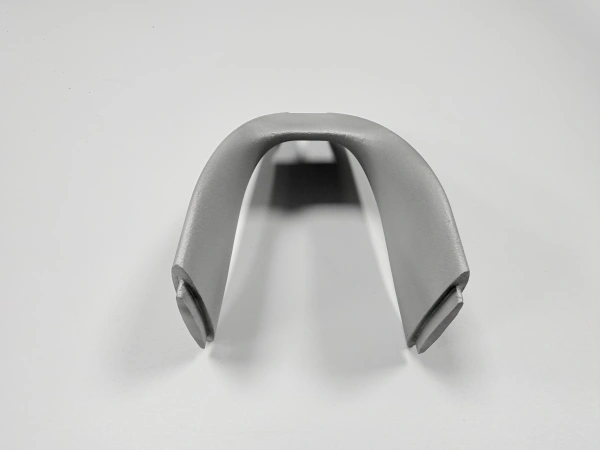
Printed Blank Scope Versus Finished-Part Scope
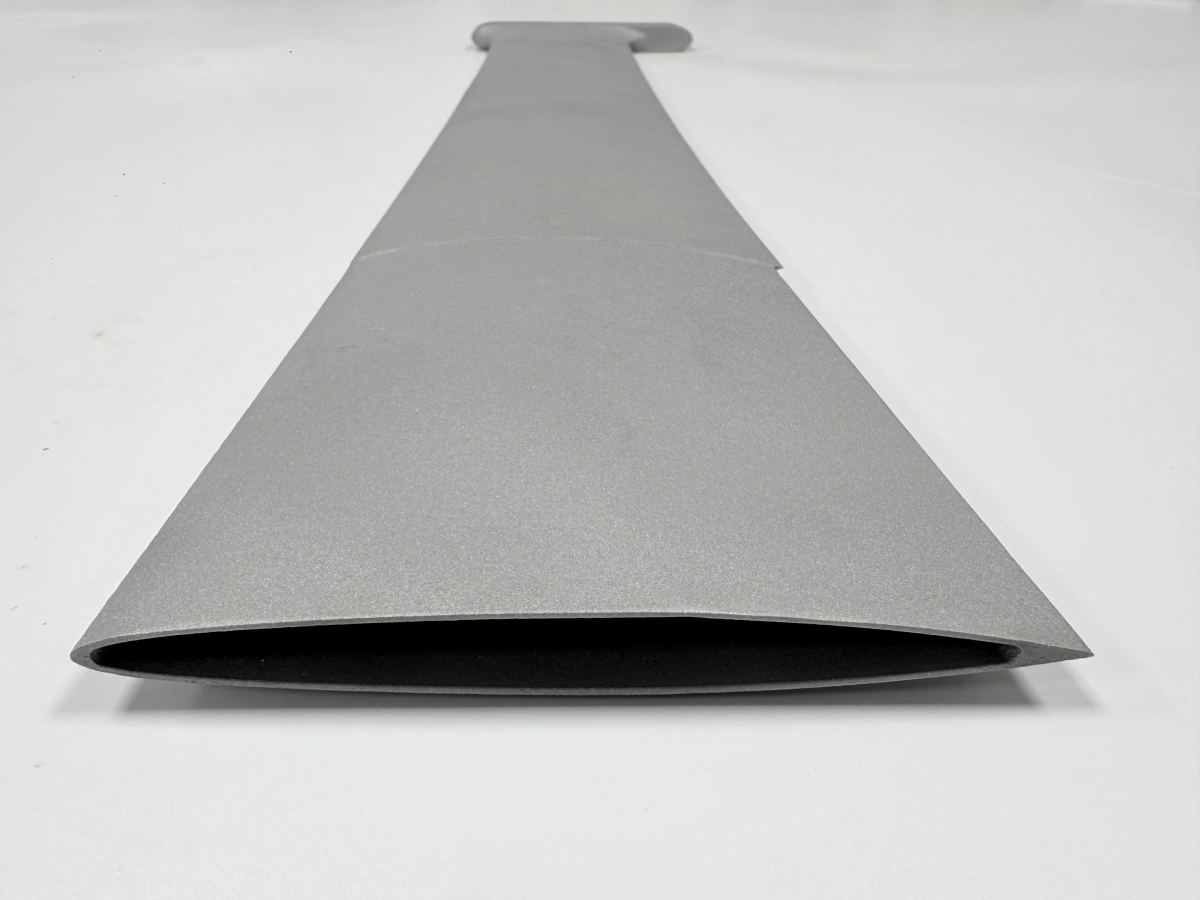
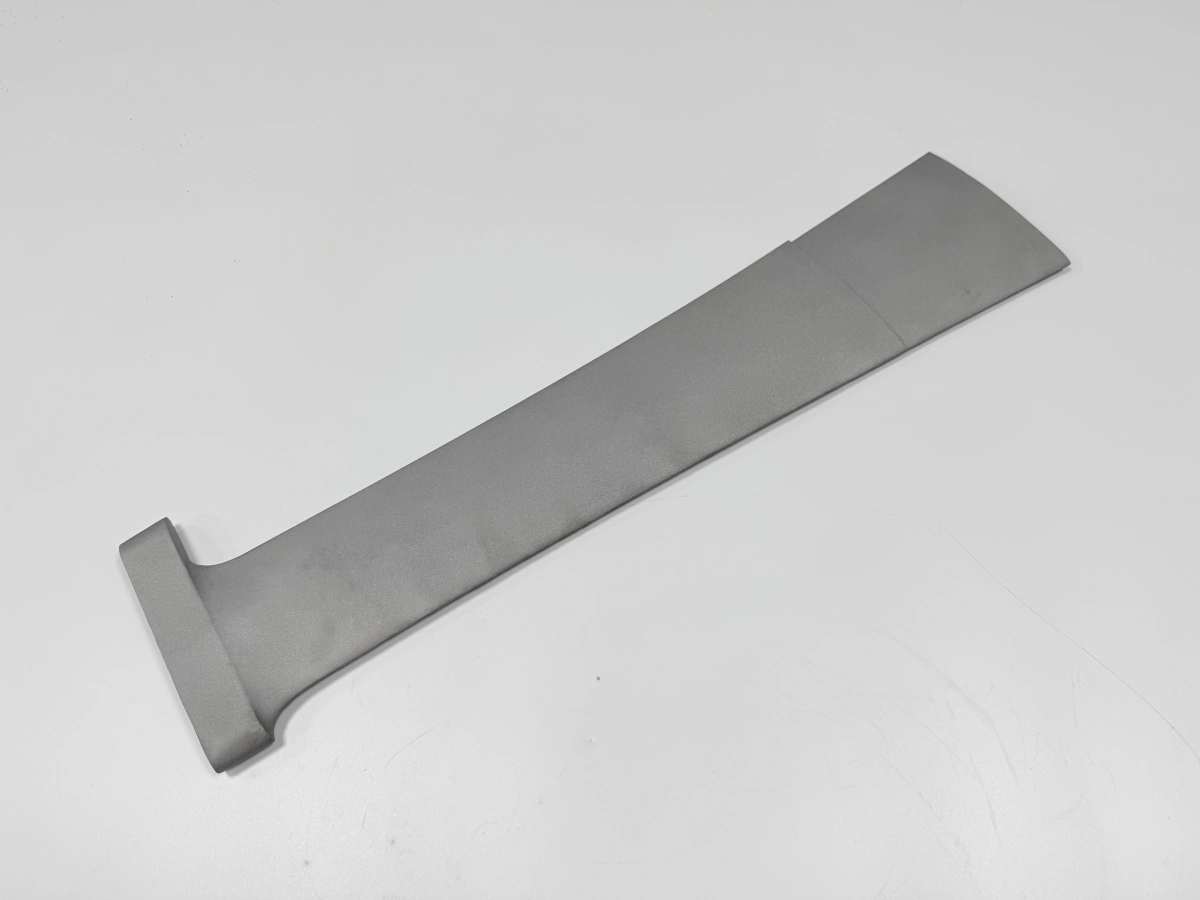
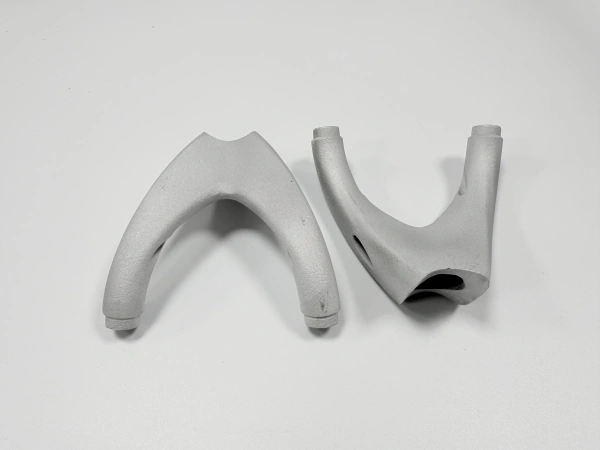
A printed blank scope usually includes build preparation, printing, powder removal, support removal, and basic cleaning. It may be enough for an early engineering sample when the buyer wants to evaluate shape, handling, or package space. It is not enough when the drawing requires close fits, threads, sealing faces, datum control, surface finishing, or formal inspection records.
A finished-part scope defines the operations needed after printing. Stress relief may be needed before support removal or machining. Heat treatment may be required to reach a specified material condition. HIP may be included when internal density and fatigue-sensitive use are part of the acceptance discussion. CNC machining, EDM, coating, blasting, polishing, and inspection may then follow depending on geometry and drawing requirements.
The buyer should decide whether the order is for a learning sample or a deliverable component. If the part is going into a fixture, assembly, test rig, thermal system, pump, robotic tool, or aerospace-related development program, the finished features usually matter more than the printed blank. That scope should be visible in the quote lines.
Features That Move From PBF to CNC or EDM
Powder bed fusion can produce complex geometry, but it should not be expected to replace every finishing operation. Threads, bearing seats, close-fit bores, O-ring grooves, flat mounting pads, precision bolt patterns, sealing lands, and controlled datum surfaces are common candidates for CNC machining. If these features are critical to function, they should be called out as finished features rather than left as printed surfaces.
EDM can be discussed when the part has narrow slots, hard alloy features, delicate walls, or geometry that is difficult to cut without tool force. EDM may also help separate certain features from the build plate or finish areas where conventional tooling access is poor. It is not automatically required, but it should be included when the drawing depends on it.
Some features are better redesigned than forced through finishing. A blind internal thread with no tool access, a sealed channel with no powder escape path, a thin rib placed next to a heavy support zone, or a datum face hidden inside a pocket can make the finished scope expensive or impractical. A DFM review before ordering can decide whether to change the geometry, change the manufacturing route, or change the acceptance requirement.
Operation | When required | Buyer decision | Quote impact | Acceptance record |
|---|---|---|---|---|
Stress relief | Residual stress may affect support removal or later machining | Confirm material condition and route sequence | Adds thermal processing and handling | Process record if required by PO |
HIP | Internal density or fatigue-sensitive use is part of acceptance | State whether HIP is required or optional | Changes processing route and inspection timing | HIP record when specified |
CNC machining | Threads, bores, sealing lands, datum pads, or mounting faces control function | Mark finished dimensions and machining stock areas | Adds setup, fixturing, and dimensional inspection | CMM, gauge, or dimensional report |
EDM | Slots, delicate features, or hard alloys make cutting access difficult | Identify features that cannot tolerate tool force or normal access limits | Adds specialized finishing step | Feature-specific inspection record |
Surface finishing | Support scars, rough printed zones, or assembly handling require finishing | Separate cosmetic areas from functional surfaces | May affect edges, holes, and lead route | Visual, roughness, or drawing-based check |
Final inspection | Drawing or receiving process requires documented acceptance | Define records before PO release | Adds measurement planning and reporting | CMM, material, build, or process records as required |
When HIP Should Be Priced as a Requirement
HIP for 3D printed metal parts service should be priced as a requirement when the drawing, specification, or application risk demands it. It may be relevant for fatigue-sensitive parts, pressure-related hardware, hot-section components, or parts where internal porosity risk must be reduced by a defined process route. It should not be added casually just to make a quote appear complete.
The buyer should decide whether HIP is mandatory, optional, or not needed for the current stage. A form-fit prototype may not need HIP if the goal is packaging review. A pilot lot used for test conditions may need HIP if the receiving plan requires that route. A repeat order should carry the same HIP expectation consistently if the accepted prototype used it. Changing this requirement between lots changes both cost and comparability.
HIP can also affect when final dimensions are created. If tight surfaces are machined before HIP, dimensional movement may require rework or final machining afterward. For finished-part quotes, it is often cleaner to define thermal processing first, then finish-machine the dimensions that control assembly. The exact sequence depends on material and geometry, so it should be reviewed instead of assumed.
Surface Finishing Boundaries for Industrial Parts
Surface finishing is part of the finished scope only when its purpose is clear. Blasting may remove loose powder and make the surface more uniform. Polishing may be needed for handling, flow, or visible areas. Coating may be required for temperature, corrosion, wear, or insulation reasons. Each method can also damage edges, alter small holes, or soften a sharp functional boundary if not controlled.
For industrial metal parts, surface treatment should be linked to feature function. A cosmetic exterior can be treated differently from a sealing surface. A support-removal area can be blended differently from a datum pad. An internal channel may need a separate discussion because normal finishing tools may not reach it. If every surface receives the same finish note, the quote may not protect the features that matter most.
Buyers can reduce surprises by defining keep-sharp edges, no-finish zones, masked faces, coated zones, and surfaces that will be machined after finishing. These notes help the supplier avoid treating a functional interface as a general appearance requirement.
Inspection Records That Belong in the Finished-Part Quote
Inspection records should match the finished scope. A printed blank may need a basic visual or dimensional check. A finished industrial part may need material records, build records, heat treatment records, HIP records, CMM reports, gauge results, surface finish checks, or CT review for internal geometry. The buyer should not wait until shipment to ask for these records because some evidence must be planned before processing starts.
For a reliable RFQ, provide STEP data, a controlled 2D drawing, material grade, quantity, prototype or repeat-lot status, application environment, finished surfaces, machining and EDM expectations, heat treatment and HIP requirements, surface finishing notes, inspection records, and the target delivery window. If some items are optional, request them as alternate quote lines. That makes the commercial comparison clearer without forcing every prototype to carry production-level documentation.
Neway can quote the printed blank, the finished part, or both scopes when the drawing makes the boundary clear. The safest purchasing decision is to compare suppliers at the same deliverable level: same material condition, same finished features, same post-processing steps, and same acceptance records.
Related FAQs