Stainless Steel Printed Parts Passivation and Machined Fits RFQ Guide
Stainless steel printed parts need passivation and machined fits defined before the quote is treated as complete. A buyer may be able to approve an as-printed outside wall, but a thread, dowel hole, sealing land, bearing seat, or corrosion-exposed crevice can require a different finish route. The finished-part price depends on those surfaces more than on the printed volume alone.
Neway reviews stainless steel AM RFQs by separating the part into functional zones. Some zones may remain printed after support removal and surface finishing. Other zones need CNC machining, passivation, polishing, or inspection evidence. If the drawing does not distinguish these surfaces, the supplier may quote a printed blank while the buyer expects an assembly-ready component.
This article is for purchasing and engineering teams sourcing stainless steel 3D printing service for industrial brackets, housings, fixtures, manifolds, fluid hardware, and low-volume metal parts. It does not claim corrosion performance for an unspecified environment; the medium, temperature, cleaning process, and drawing notes must control the acceptance plan.
Stainless Features That Can Remain As-Printed
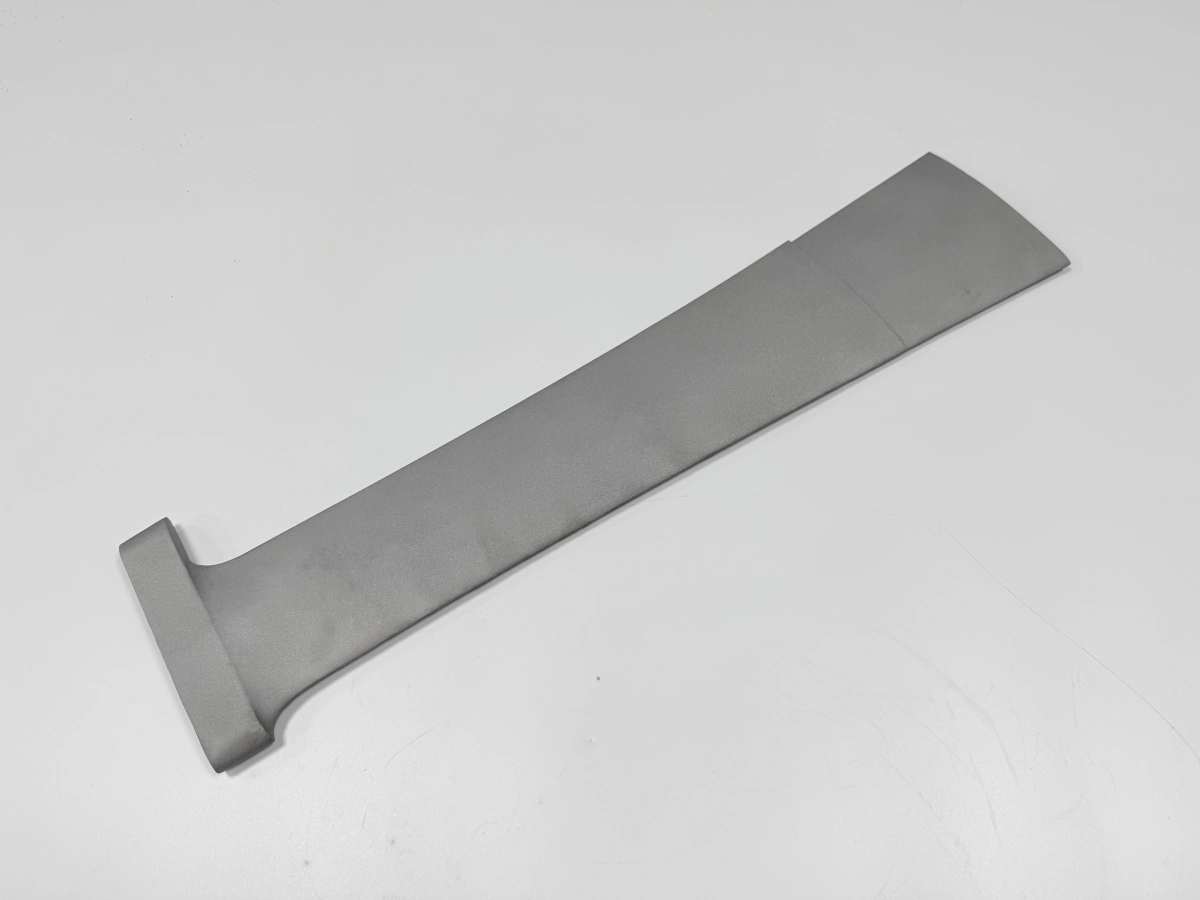
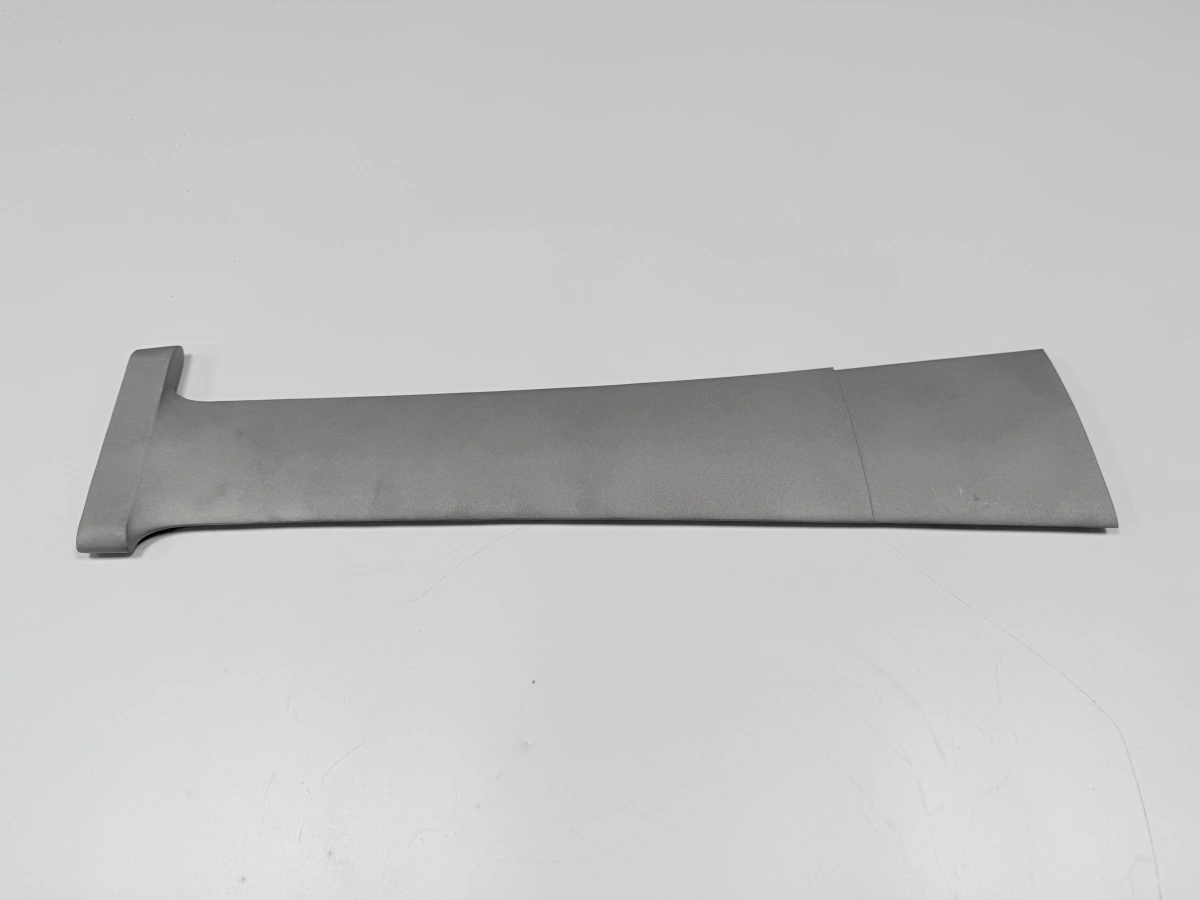
Not every surface on a stainless printed part needs machining. Non-contact exterior walls, clearance areas, weight-saving ribs, protective covers, and some fixture surfaces may remain printed if the drawing allows the texture and tolerance. Those surfaces may still need support removal, blasting, cleaning, or visual inspection, but they do not automatically require a CNC operation.
The buyer should identify which surfaces are cosmetic, handling-only, structural, wetted, sliding, sealing, or datum-related. A printed stainless housing may use AM texture on the outside while machining only the bolt pads and gasket face. A fixture may leave most ribs printed while machining contact pads. This separation can reduce unnecessary finishing while protecting assembly function.
Powder bed fusion is often reviewed for stainless steel parts with integrated shapes, internal features, or low-volume requirements. It does not remove the need to call out fits. When the part has simple plate geometry or a thick rectangular blank, CNC machining from stock may still be the practical route.
Passivation Boundaries for Printed Stainless Steel Parts
Passivation should be treated as a defined surface-treatment operation, not a vague stainless note. The RFQ should state which stainless grade is requested, which surfaces need passivation, whether the part sees a corrosion environment, and whether any machined surfaces must be protected or cleaned before final packaging. If the requirement comes from a customer standard, include the exact callout.
Passivation does not correct poor geometry or inaccessible contamination. Crevices, blind holes, powder traps, and support-scarred wetted areas can create finishing and cleaning risk. If a corrosion-exposed feature cannot be reached, the buyer should consider adding drain access, changing the design, or separating the feature into a machined component.
Surface treatment may include blasting, polishing, passivation, coating, or other finishing steps depending on the service requirement. These steps can change cost and lead time when they require masking, rework of support areas, cleaning records, or inspection after finishing.
Masking deserves its own note when stainless parts combine passivated zones with later assembly surfaces. A machined bore or sealing face may need protection from handling marks, while a noncritical printed wall may tolerate normal finish variation. The RFQ should say whether masking is required during passivation, blasting, polishing, or packaging.
Stainless feature | As-printed acceptability | Machining or passivation need | Inspection note | Buyer callout |
|---|---|---|---|---|
Exterior housing wall | Often possible if texture and tolerance are non-critical | Blasting or cleaning may be enough | Visual and dimensional check where specified | Mark cosmetic and handling surfaces separately |
Gasket or sealing face | Usually not suitable as a printed surface | CNC finishing before passivation or final cleaning | Flatness, surface note, or CMM record as required | State gasket type and sealing requirement |
Threaded port | Printed threads should not be assumed functional | Tap, mill, insert, or post-machine after thermal operations | Thread gauge, position, and burr control when required | Define thread class, depth, and fluid exposure |
Dowel bore or bearing seat | Not appropriate for final fit without finishing | Machining stock and datum plan needed | CMM or fit-specific inspection | Show datum scheme and critical diameter |
Internal wetted passage | Depends on cleaning and surface allowance | May need redesign, cleaning access, or local finishing | Flow, leak, visual, or buyer-specified evidence | State medium, cleaning method, and acceptance test |
Threads, Fits, and Sealing Areas After AM
Threads, precision holes, and sealing faces should be planned as finished features. Printing can create the near-net body and locate material for later machining, but final function depends on tool access, datum selection, stock allowance, and inspection. The RFQ should not apply tight tolerance notes to every printed surface; it should mark only the critical features that need controlled finishing.
CNC machining after printing is usually discussed for mounting pads, mating faces, bearing seats, O-ring grooves, ports, and threaded holes. EDM may be discussed for narrow slots or features that cannot be reached by conventional cutting tools, but B28 should not assume EDM unless the geometry needs it.
Datums should be practical. A rough printed wall may not be a good primary datum if the finished part must assemble to another component. Add datum pads or machining tabs when the part needs repeatable setup. If the component has wide flat stainless faces, heat treatment or stress relief can also affect when final machining and inspection should occur.
Machining stock should be discussed before printing, not after the first build. If a flange or bore has no stock allowance, the machinist may not be able to clean the surface without breaking adjacent geometry. If too much stock is added everywhere, support volume and finishing time can rise without improving the finished part or the buyer's assembly outcome.
Surface Finish Notes for Corrosion-Service Hardware
Corrosion-service hardware requires more context than "stainless." The buyer should state whether the part contacts fluid, vapor, outdoor exposure, cleaning chemicals, food-adjacent equipment, industrial washdown, or high-temperature exhaust. Neway can use that context to discuss surface finishing, passivation, cleaning access, and whether stainless AM is appropriate for the part shape.
A passivated outside surface and an uncleaned internal crevice are not the same risk. If the part includes small internal passages, powder traps, or dead-ended fluid pockets, the design should be reviewed before manufacturing. Sometimes a split-and-weld or machined design is more practical than a single printed body if the internal surface cannot be verified.
Surface finish notes should be assigned by zone. For example, an exterior cover may need only blasted texture, a seal land may need machining, a wetted bore may need finishing and cleaning evidence, and a protected thread may need burr control. One finish note applied to the entire part can add cost where it is not needed and still miss the surfaces that matter.
Inspection Records for Finished Stainless AM Parts
Inspection should follow the functional zones. A CMM report may be useful for datums, hole positions, flatness, and machined faces. Thread gauges may be needed for ports. Leak or pressure tests may be requested for fluid hardware. Surface or cleaning records may be needed when passivation or corrosion-service handling is part of the purchase scope.
Buyers should decide which records are required before PO release. Asking for extra evidence after production can change cost and may require a different sequence. If passivation is required, state whether the record is part of delivery. If the part will be assembled into a regulated or safety-related system, the buyer should provide the standard and acceptance requirements rather than asking the supplier to infer them.
Record scope should match part risk, not a generic purchasing habit.
For a reliable stainless steel printed parts quote, send the STEP file, 2D drawing, stainless grade, quantity, service environment, and finish requirements by surface. Mark machined fits, sealing areas, threads, bores, datums, passivation boundaries, cleaning requirements, and inspection records. This allows Neway to quote a finished stainless AM component instead of a printed blank with undefined downstream work.
Related FAQs
.webp)
.webp)