Surface Treatment for Industrial 3D Printed Metal Parts
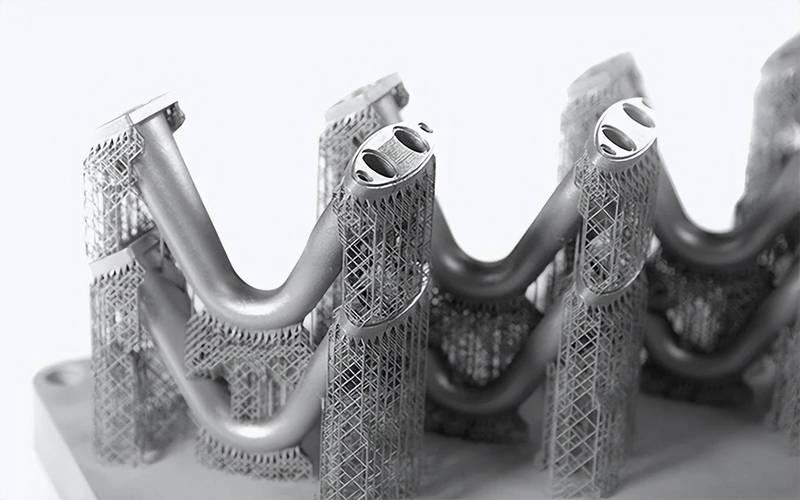
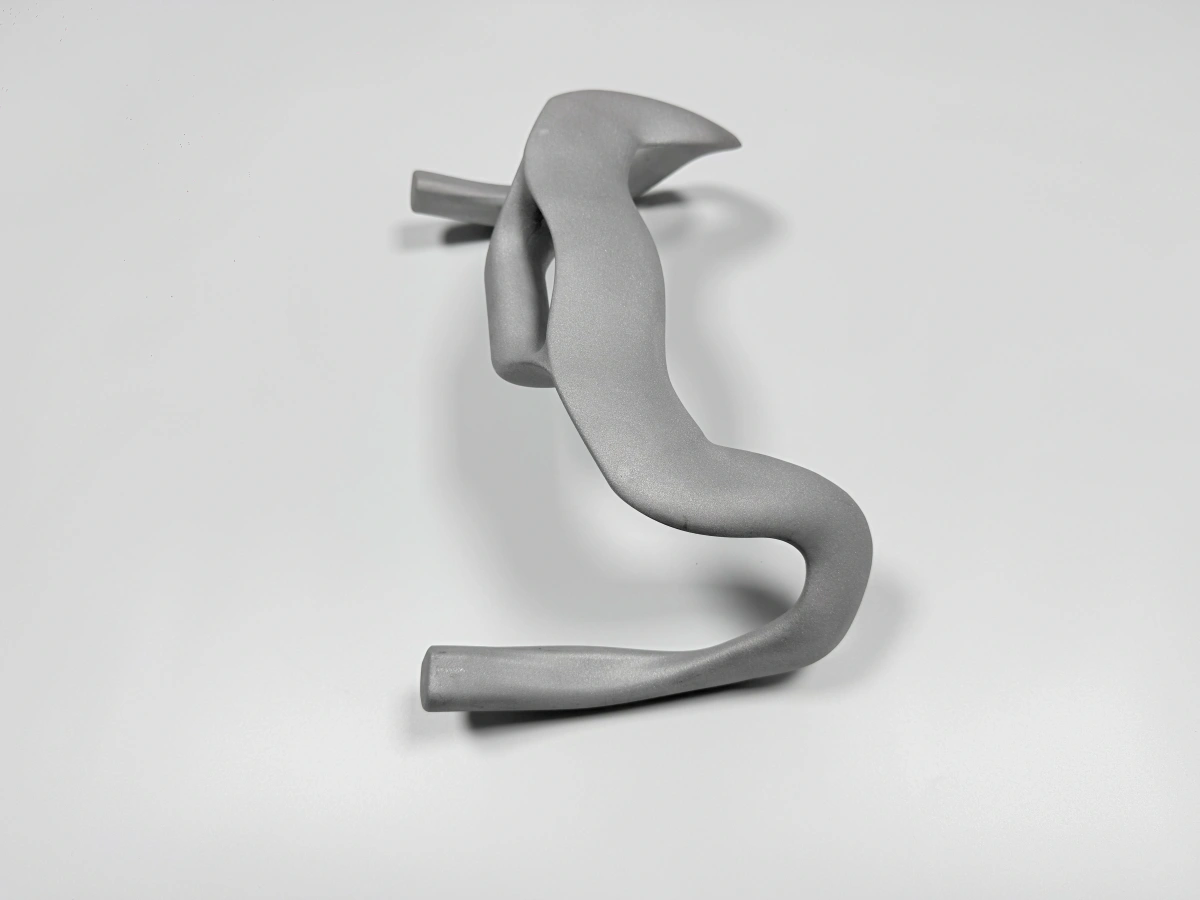
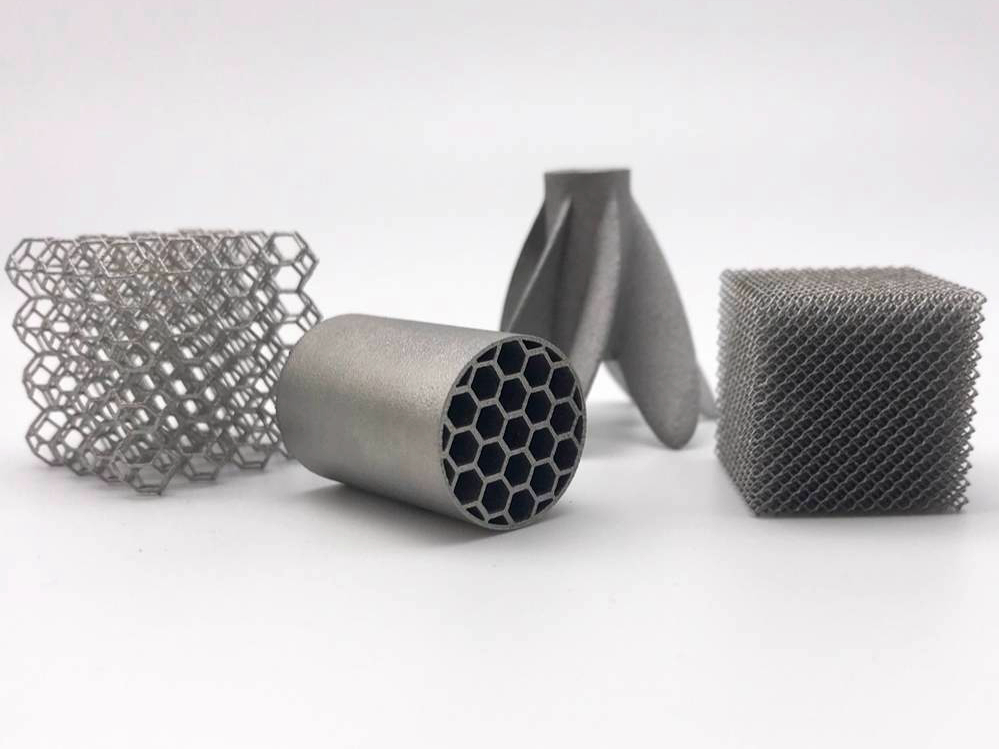
Surface treatment for industrial 3D printed metal parts should start with the part function, not with a generic request for a smoother surface. A printed metal component may need corrosion protection, wear control, thermal insulation, sealing preparation, cosmetic appearance, or safe handling. Those are different finishing problems.
The quote changes when the buyer defines which surfaces need treatment and why. A non-contact outer wall may only need blasting or basic cleanup. A sealing land may need machining before finishing. An aluminum housing may need anodizing or conversion coating review. A hot-section superalloy part may need thermal barrier coating evaluation after the metal route is stable.
Neway reviews surface treatment after checking material, printed condition, support scars, CNC-machined surfaces, heat treatment sequence, and acceptance requirement. The correct finish should protect the finished part without hiding a manufacturing problem that should have been solved earlier.
Surface Finish Requirements Should Be Functional
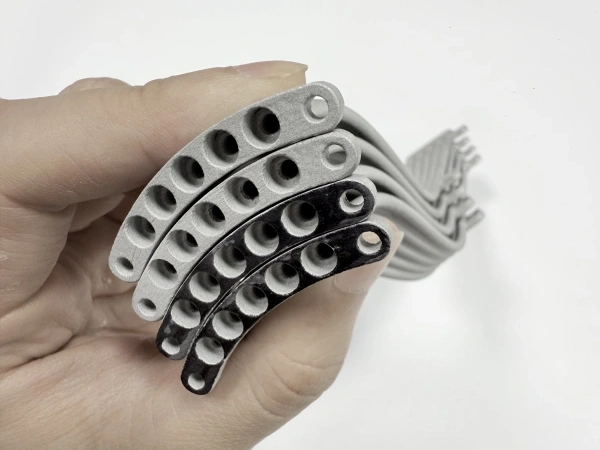
A 3D printing surface finish note should explain the reason for the requirement. Appearance, corrosion protection, friction, cleaning, fluid sealing, coating adhesion, and thermal exposure do not lead to the same process. If a drawing only says "smooth finish," the supplier may not know whether blasting, tumbling, polishing, machining, passivation, anodizing, coating, or another treatment is expected.
Surface treatment also depends on the starting condition. As-printed surfaces, support-contact surfaces, CNC-machined surfaces, EDM-finished surfaces, and heat-treated surfaces may respond differently. A surface with heavy support marks may need machining or blending before coating. A precision sealing face should not be treated like a cosmetic outer wall.
Buyers should mark treated zones on the drawing. Treating the whole part may be unnecessary, and sometimes harmful, if coating thickness, masking, or surface change affects assembly. A targeted requirement keeps the quote focused on the surfaces that matter.
The production stage should also be stated. A prototype may only need blasting to remove loose powder and improve handling. A pilot lot may need the intended coating process so assembly and corrosion behavior can be checked. A repeat low-volume order may need defined masking, batch consistency, and inspection records. These stages should not be quoted as the same finishing package.
Material Choice Controls Which Finish Is Practical
Aluminum, stainless steel, titanium, copper, carbon steel, and nickel superalloys do not share the same finishing routes. Printed aluminum alloys may require anodizing, conversion coating, blasting, polishing, or machining review depending on alloy and function. Stainless steel may need passivation or polishing for corrosion or cleaning needs. Carbon steel may need protective coating to reduce corrosion risk.
Nickel superalloy and titanium parts often require surface treatment after CNC, heat treatment, or HIP decisions are made. A hot-section part may need coating review, but the coating cannot fix poor support removal, wrong material, or missing machining on functional surfaces. Copper parts may need surface protection or finishing that does not compromise thermal or electrical contact surfaces.
Material or surface | Common treatment question | Risk to check before quoting | Buyer note that helps |
|---|---|---|---|
Aluminum printed parts | Anodizing, conversion coating, blasting, or cosmetic finish. | Alloy suitability, machined surfaces, masking, and appearance target. | State corrosion, appearance, or electrical-contact requirement. |
Stainless steel | Passivation, polishing, or surface cleaning. | Fluid contact, support scars, and machined sealing areas. | Mark wetted surfaces and cleanliness expectations. |
Nickel superalloys | High-temperature coating, polishing, or oxidation protection. | Heat treatment, HIP, support removal, and coating adhesion. | Provide temperature exposure and coating requirement if specified. |
Copper alloy parts | Surface protection without compromising contact function. | Thermal or electrical interface areas may need masking. | Identify conductive faces and non-contact surfaces separately. |
Aluminum Anodizing and Conversion Coating Need Early Notes
Anodizing may be discussed for aluminum parts when corrosion resistance, appearance, or surface protection matters. For additive aluminum, the buyer should confirm alloy route, surface condition, machined areas, and whether any surfaces must remain conductive or dimensionally controlled. Not every aluminum AM surface should be treated the same way.
Conversion coating or other chemical treatment may be reviewed when the buyer needs corrosion protection with different electrical or dimensional considerations. Masking can be important for threads, bearing seats, sealing faces, electrical contacts, or tight assembly features. If masking is not stated, the finishing scope may not match the final assembly requirement.
Color or cosmetic expectations should be handled carefully. Additive surfaces can show texture, build orientation marks, or repaired support areas after finishing. If appearance is important, define the visible surfaces and acceptance standard instead of expecting a uniform cosmetic result on every printed wall.
For aluminum parts with threaded holes, bearing seats, or electrical contact pads, masking and post-treatment chasing may be part of the quote. If the buyer does not identify these zones, the supplier may treat the entire surface and create later assembly work. A simple marked drawing can prevent that mismatch.
TBC and Protective Coatings Depend on Heat Exposure
Thermal barrier coatings are relevant when a printed metal part faces high-temperature exposure, thermal cycling, oxidation, or hot gas contact. TBC review should come after the buyer confirms material, heat treatment, surface preparation, coating area, and inspection requirement. It is not a generic finish for every superalloy print.
Protective coatings can change dimensions, surface texture, and assembly clearances. A coating on a non-critical outer wall may be acceptable, while the same coating on a sealing land, bearing seat, or tight slot may create fit problems. The drawing should indicate coated surfaces, masked surfaces, and any post-coating inspection or finishing requirements.
Coating adhesion can depend on surface preparation. Support marks, oxide, contamination, and rough machining can all affect the result. If the buyer requires a coating for heat, corrosion, or wear, the RFQ should include the operating environment and whether the coating supplier must receive a machined, blasted, polished, or otherwise prepared surface.
Finish goal | Possible route to review | Surface preparation concern | Acceptance detail to define |
|---|---|---|---|
Corrosion resistance | Passivation, anodizing, conversion coating, or protective coating. | Material compatibility and machined surface condition. | Exposure environment and surfaces requiring protection. |
Wear or handling durability | Polishing, coating, hard-facing review, or local machining. | Contact zone geometry and starting roughness. | Sliding, gripping, or contact surfaces. |
Thermal protection | TBC or high-temperature protective coating. | Surface preparation, bond area, and heat-treatment sequence. | Temperature environment and masked interfaces. |
Cosmetic appearance | Blasting, tumbling, polishing, or colored finish if suitable. | Support marks and build texture may remain visible. | Visible surfaces and appearance acceptance method. |
Surface Treatment Should Follow Machining and Heat Steps
Surface treatment should be sequenced with printing, support removal, heat treatment, HIP, CNC machining, EDM, and inspection. If a part is coated before final machining, the coating may be removed from the functional surface. If a sealing surface is polished before heat treatment, later movement may change the finished relationship. If passivation or coating is done before deburring, edges may not meet acceptance.
The buyer should tell Neway which surfaces are final after CNC, which surfaces remain printed, and which surfaces receive coating or chemical treatment. When the finishing route is unclear, it is better to quote required and optional treatment lines separately so purchasing can choose the correct scope for prototype or low-volume production.
Acceptance should be defined before finishing starts. For appearance, that may mean visible-zone agreement. For corrosion or chemical exposure, it may mean the material and treatment specification. For thermal protection, it may mean coating area and masked features. For assembly, it may mean confirming that coated thickness does not interfere with mating parts.
RFQ Details for Industrial Surface Finish
For a reliable surface-treatment quote, send the STEP file, 2D drawing, material grade, quantity, printing process if known, heat treatment or HIP status, machined surfaces, support-contact areas, surface finish goal, coating or chemical treatment requirement, masking zones, inspection records, and application environment. Mark whether the requirement is functional, cosmetic, corrosion-related, thermal, wear-related, or cleaning-related.
If the drawing does not yet define the finish, ask Neway to quote practical options for the target material and application. The useful comparison separates surface preparation, coating or treatment, masking, post-treatment inspection, and any rework needed on critical interfaces.
Related FAQs