Can all 3D-printed metals be anodized?
Understanding Anodizing in Additive Manufacturing
Anodizing is an electrochemical surface treatment process that enhances corrosion resistance, wear resistance, and appearance by forming a controlled oxide layer on the surface of a metal. While it is widely used in traditional manufacturing, its applicability in additive manufacturing depends heavily on the material type.
Manufacturers working with a professional 3D Printing Service must carefully select finishing processes based on the material used in the printing process. Different additive technologies such as Powder Bed Fusion, Material Extrusion, Vat Photopolymerization, Binder Jetting, and Directed Energy Deposition can produce parts with different surface conditions that influence finishing compatibility.
Anodizing Is Primarily for Aluminum Alloys
Anodizing is mainly applicable to aluminum and its alloys. The process works by converting the aluminum surface into aluminum oxide, which is hard, durable, and corrosion-resistant.
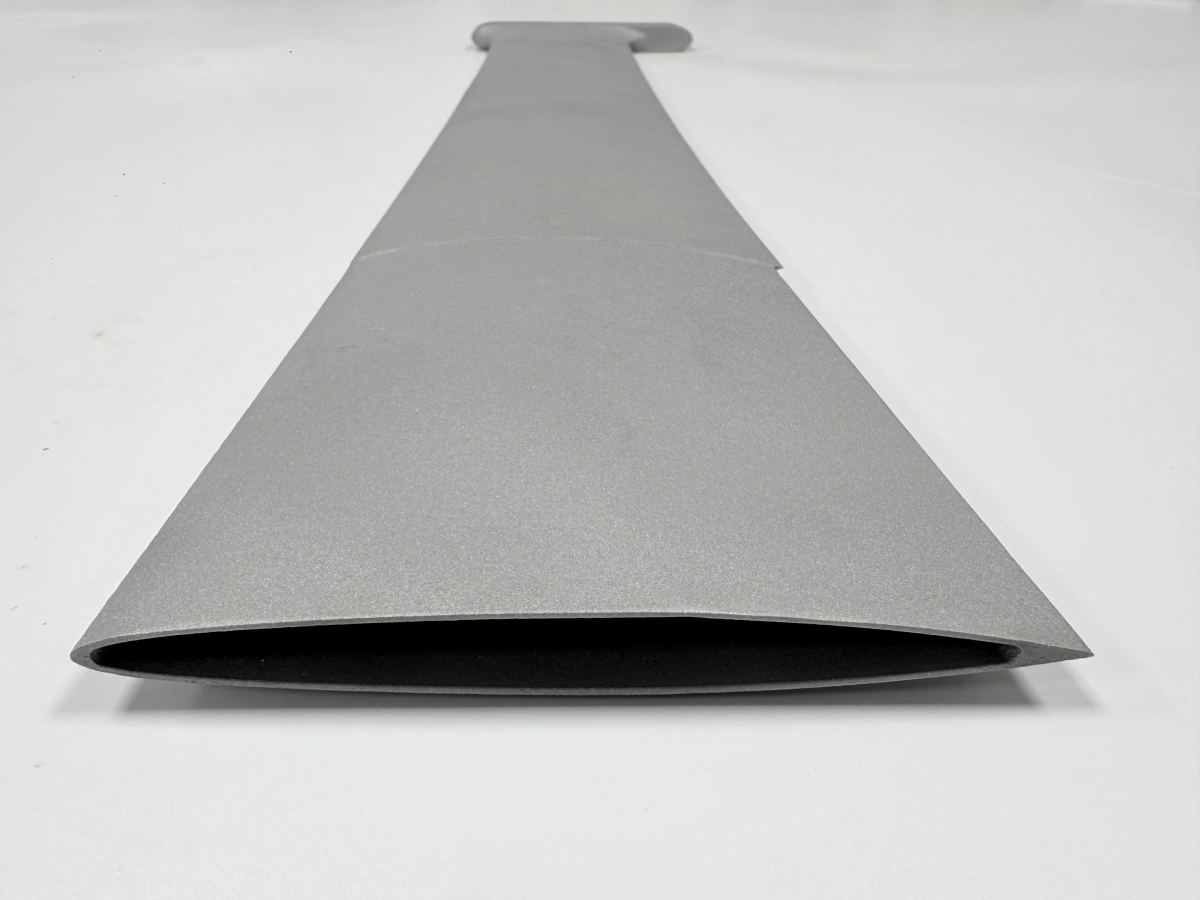
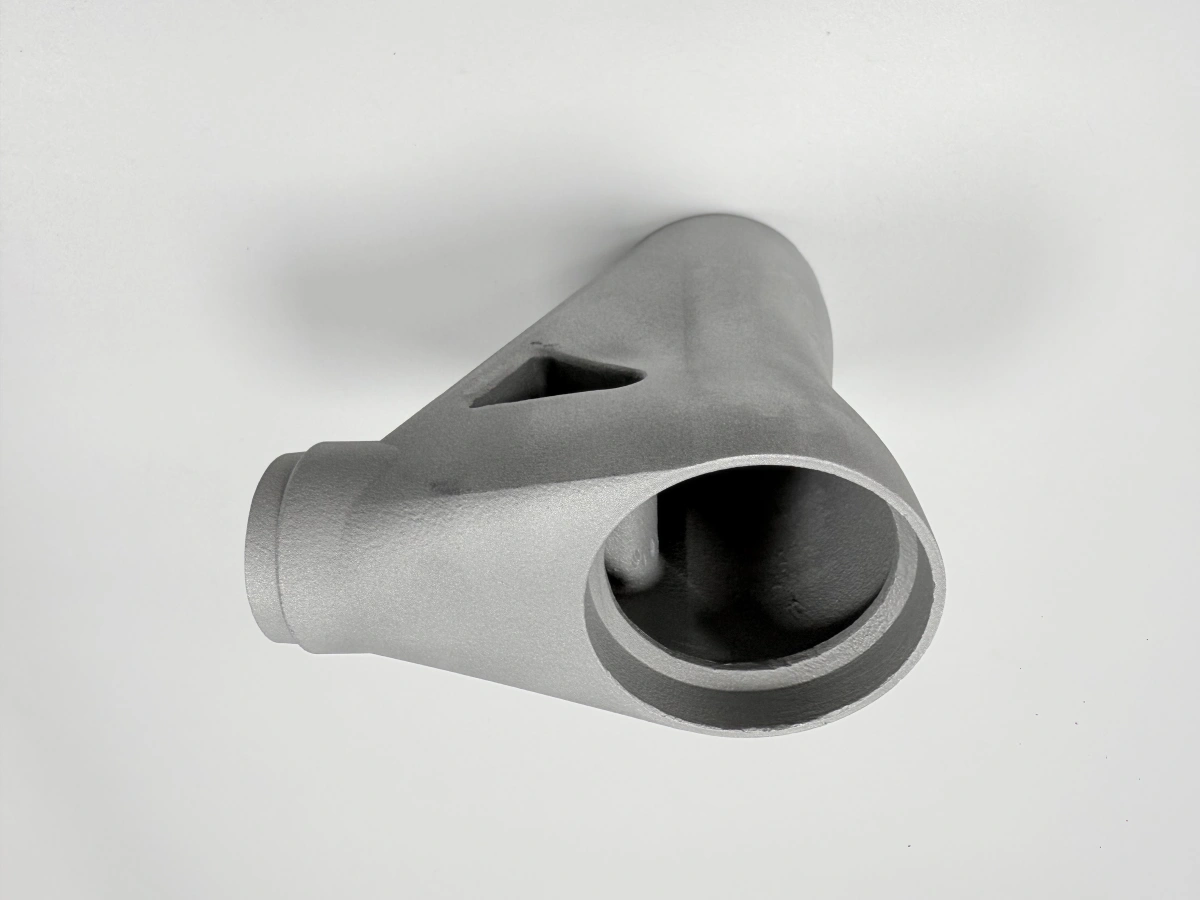
In additive manufacturing, aluminum alloys such as Aluminum AlSi10Mg are commonly used for anodizing because they respond well to the electrochemical process.
However, even with aluminum, the final anodized appearance can vary depending on surface roughness and porosity from the printing process. Therefore, pre-treatment such as polishing or machining is often required to achieve consistent results.
Metals That Cannot Be Anodized
Most other metals used in 3D printing cannot be anodized in the same way as aluminum. For example, stainless steels such as Stainless Steel SUS316 do not form the same type of oxide layer and therefore require alternative surface treatments.
Nickel-based superalloys such as Inconel 718 are also not suitable for anodizing. These materials typically require coatings or polishing to achieve desired performance and surface quality.
Similarly, titanium alloys such as Ti-6Al-4V (TC4) can undergo a different type of anodizing process, but it is mainly used for color effects or surface modification rather than corrosion protection.
Tool steels such as Tool Steel H13 cannot be anodized and instead rely on treatments like nitriding or coating to improve wear resistance.
Alternative Surface Treatments for Non-Aluminum Metals
For metals that cannot be anodized, several alternative surface finishing methods are commonly used to improve performance and durability.
Precision finishing processes such as CNC Machining can improve surface smoothness and dimensional accuracy.
Surface enhancement processes such as Heat Treatment can improve mechanical properties and relieve internal stresses.
For high-temperature or harsh environments, coatings such as Thermal Barrier Coatings (TBC) provide protection against heat and oxidation.
For a broader overview of finishing options, refer to What Are The Typical Surface Treatments for 3D-printed Parts?.
Surface Preparation and Process Limitations
Even for aluminum parts, achieving high-quality anodizing results requires proper surface preparation. Additive manufacturing processes often leave rough or porous surfaces that can affect coating uniformity and visual consistency.
Pre-processing steps such as sanding, polishing, or machining are typically necessary to create a uniform surface before anodizing. Without proper preparation, anodized layers may appear uneven or exhibit inconsistent coloration.
Industries Using Anodized 3D-Printed Parts
Anodized 3D-printed aluminum parts are widely used in industries where lightweight performance and corrosion resistance are important.
The Aerospace and Aviation industry uses anodized aluminum components for structural and functional applications.
The Automotive industry benefits from anodized parts for lightweight and durable components.
The Consumer Electronics sector uses anodizing to achieve both protective and aesthetic finishes.
Conclusion
Not all 3D-printed metals can be anodized. The process is primarily suitable for aluminum alloys, while other metals require alternative surface treatments to achieve similar performance improvements.
Understanding the compatibility between material and finishing process is essential for selecting the right post-processing method in additive manufacturing.
.webp)