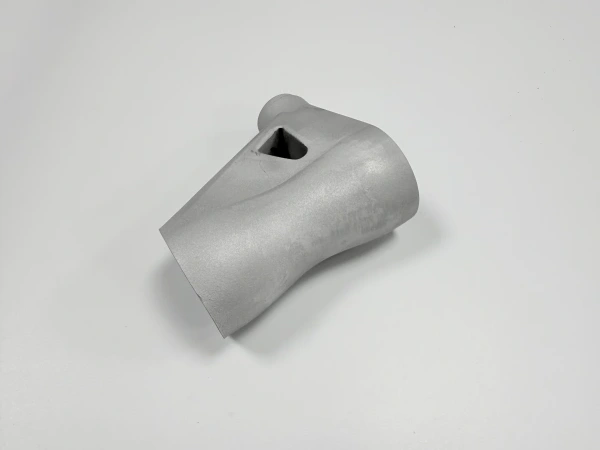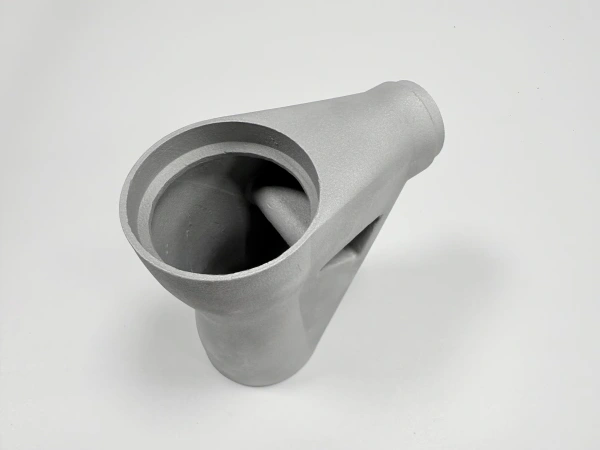
Scalmalloy Service for Lightweight Load-Bearing AM Parts RFQs
A Scalmalloy 3D printing service RFQ should start with the load path. Buyers usually consider Scalmalloy-type aluminum when a part needs lightweight structure, stiff geometry, bracket-like load transfer, or low-volume AM without conventional tooling. The quote becomes risky if support scars, fatigue-sensitive surfaces, and machined pads are not identified before printing.
Neway reviews Scalmalloy-type parts by separating the printed load-bearing body from the surfaces that control assembly and inspection. A ribbed arm, lattice-like reinforcement, or curved bracket may justify AM, while fastener pads, datum faces, bores, and sealing lands still need CNC planning. Material availability and buyer approval should also be settled before the route is priced.
This article helps buyers prepare Scalmalloy RFQs for lightweight aluminum AM parts. It avoids unsupported property promises and focuses on the practical information needed to quote a manufacturable part.
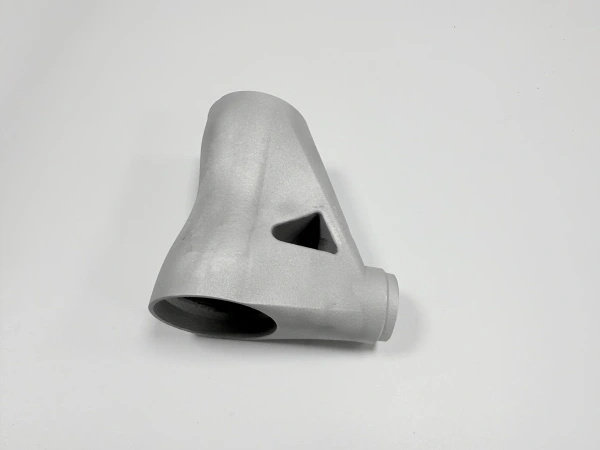
When Scalmalloy-Type Material Is Worth Reviewing
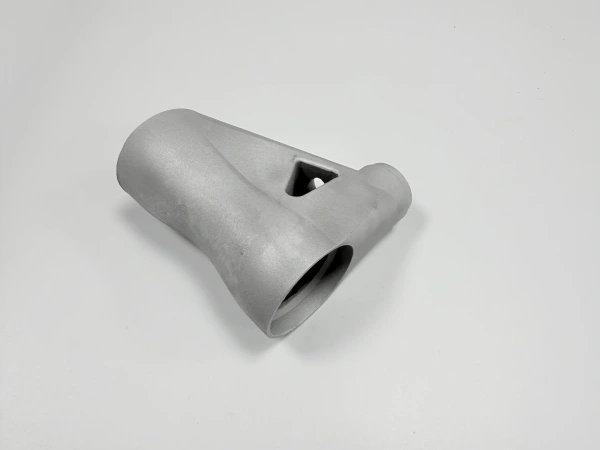
Scalmalloy-type material is worth reviewing when the geometry uses AM to solve a structural problem: weight reduction, curved load transfer, part consolidation, or compact routing that would be difficult to machine. If the part is a simple aluminum plate, spacer, flange, or block, the buyer should compare CNC before requesting a specialty aluminum AM route.
The material request should be connected to the drawing. If Scalmalloy is mandatory, the buyer should state the material standard, record expectation, and whether alternates are prohibited. If the project only needs a lightweight AM prototype, an AlMgScZr-type route or another aluminum AM alloy may be discussed only if the buyer's engineering team approves it.
For aerospace and aviation development work, Neway does not assume qualification from the material name. The buyer should provide its specification, development stage, and acceptance records so the quote does not become a generic aluminum print.
Load Paths That Should Not Hide Support Scars
Support scars are a structural discussion when they sit on load paths. A support mark inside a cosmetic pocket may be acceptable after cleanup. A mark on a tension surface, lug fillet, or bracket root may require orientation change, local stock, machining, blending, or design adjustment. The RFQ should name no-support regions and fatigue-sensitive surfaces.
Load-bearing shapes can also create conflicting build goals. The orientation that reduces support volume may place layer direction or surface condition in a less suitable location. The orientation that protects a critical surface may increase support, build height, or finishing time. Buyers should allow DFM feedback before locking the final STEP file.
Thin arms, hollow ribs, and deeply pocketed structures should be reviewed for support removal access. A part that cannot be cleaned or reached after printing may require a split design, access hole, or different manufacturing route.
Load paths should also be visible in the communication between purchasing and engineering. If the supplier only sees a STEP file with no notes, it may treat every face as equal. A simple sketch or marked screenshot showing primary load direction, bolt reaction zones, and noncritical clearance pockets can prevent the wrong surface from receiving support or aggressive cleanup.
Scalmalloy-type RFQs also need a decision on sacrificial geometry. Temporary tabs, extra stock on pads, or removable support-friendly features may increase raw build volume but reduce final risk. The buyer should decide whether those additions are allowed before the supplier freezes orientation.
Feature | Structural concern | Finishing need | Inspection evidence | Buyer approval item |
|---|---|---|---|---|
Curved load arm | Support contact may fall on a stressed surface | Orientation review, local blending, or stock change | Visual or dimensional evidence tied to drawing notes | Approve no-support surfaces before build |
Fastener lug | Hole position and lug face control assembly | Machine pads, drill or bore holes after printing | CMM position from defined datums | Mark critical bolt features and fit requirements |
Thin rib network | Distortion may appear after support removal | Stress relief route and careful cleanup | Profile check only where functional | Confirm which ribs are load-carrying |
Machined datum pad | Raw AM surface may not define assembly location | CNC after stable thermal route | Flatness, position, or datum report as requested | Reserve stock and identify datum letters |
Repeat lightweight lot | Prototype route may not repeat without controls | Freeze support, finish, and machining scope | Defined report package per lot | Approve material route and records before PO |
Fatigue-Sensitive Surfaces That Need Finishing Decisions
Fatigue-sensitive surfaces should not be left as an afterthought. If the buyer knows which side of a bracket, arm, or connector sees repeated load, that area should be marked in the RFQ. The supplier can then review orientation, support placement, surface blending, and whether additional machining or finishing is needed.
Not every surface needs the same finish. A noncontact pocket may remain as printed or blasted. A fastener bearing area may need machining. A visible support contact near a highly loaded radius may need redesign. These decisions change price because they change manual finishing, CNC time, and inspection effort.
Powder bed fusion can support complex lightweight geometry, but the buyer should identify the acceptance condition rather than expecting AM to create the finished surface everywhere.
Surface decisions should be local whenever possible. Applying a broad finish note to the whole part can make the quote include unnecessary labor on pockets or noncontact ribs. A better RFQ separates load-bearing surfaces, assembly pads, cosmetic zones, and inaccessible surfaces. Each zone can then receive the finishing and inspection level that matches its function.
Machined Pads for Assembly and CMM Datums
Machined pads are often the reason a Scalmalloy AM part becomes a finished component instead of a printed blank. Bolt pads, bearing seats, dowel holes, mounting feet, and locating rails should be tied to datums and machined where needed. CNC machining stock should be placed only where it protects function.
A CMM report should verify the finished state. Measuring a raw print does not prove a machined hole pattern or flat pad. Buyers should state whether they need selected dimensions for prototype fit or a fuller report for repeat lot acceptance. If the report requirement is added after manufacturing, it may not match the route that was quoted.
Assembly features also need access planning. A bore that cannot be reached by a tool, a pad hidden behind a rib, or a thread placed near thin geometry may require a design change before the quote is reliable.
For low-volume load-bearing parts, the first article should be used to confirm more than shape. The buyer should review whether support removal marks, pad machining, datum setup, and inspection evidence are acceptable for repeat supply. If those items are corrected after the first article, the next quote may need a route change rather than a simple reorder.
Material Availability and Approval Notes Before PO
Scalmalloy and AlMgScZr-type requests should include a material availability discussion before the PO is released. If the buyer requires a specific alloy, record package, or customer specification, that should be stated in the RFQ. If alternates are acceptable, the buyer should define who can approve them and what evidence is required.
For a reliable RFQ, send the STEP file, 2D drawing, material requirement, allowed alternates, quantity, lightweight function, load path notes, no-support surfaces, fatigue-sensitive zones, machined pads, bolt holes, heat treatment expectations, surface finish, inspection records, and target delivery timing. If the part is a prototype, state what decision the prototype must support. If it is a repeat lot, define which route choices are frozen.
If purchasing needs two offers, keep them separated: one for the specified Scalmalloy-type route and one for an approved alternate aluminum route. Mixing those assumptions in a single line item makes cost, records, and acceptance difficult to compare.
The practical buying question is whether Scalmalloy-type AM is solving a structural and production problem for this part. If the geometry is simple or the material route is not approved, another aluminum manufacturing route may be more appropriate for the buyer's current schedule, budget, inspection, qualification, and evidence needs during this sourcing stage review.
Related FAQs
.webp)