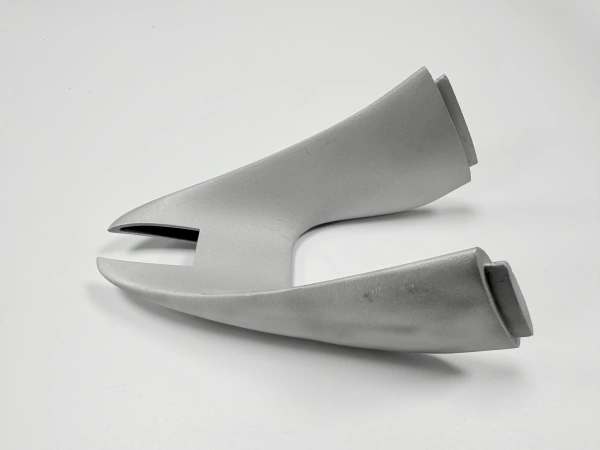
AlMgScZr AM Parts Heat Treatment and CNC Boundary Planning Guide
AlMgScZr AM parts need a clear boundary between the printed shape, thermal processing, CNC machining, surface finishing, and final inspection. Buyers often request Scalmalloy-type aluminum for lightweight structural parts, but the quote becomes unreliable when it does not state which surfaces remain printed and which surfaces become finished interfaces.
Neway reviews these RFQs by tracing the part through sequence: print orientation, support removal, heat treatment if required, machining stock, surface treatment, and inspection stage. The route may change when a bracket has thin arms, a housing has sealing faces, or a fixture has datum pads that must be measured after finishing.
This article supports buyers preparing an AlMgScZr or Scalmalloy-type 3D printing quote. It does not define fixed heat-treatment parameters; those depend on material route, supplied specification, and engineering review.
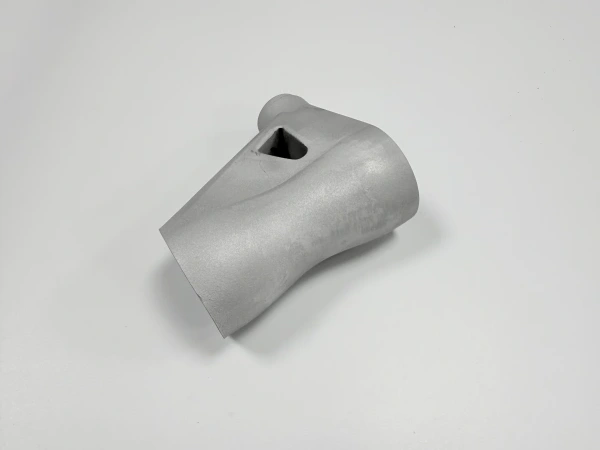
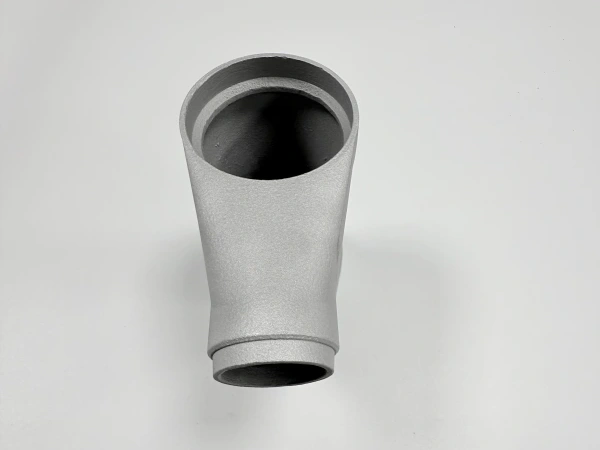
Why AlMgScZr-Type RFQs Need a Post-Process Boundary
The post-process boundary tells the supplier where AM value stops and finishing responsibility begins. A lightweight AlMgScZr part may use printed ribs and curved walls, but the buyer may still need machined bolt pads, sealing lands, bearing bores, or inspected datums. If those features are not named, the quote can understate the finished-part scope.
Boundary planning is especially important for low-volume parts. A prototype may accept visible support cleanup and limited measurement, while a repeat lot may require frozen heat treatment, machining, surface finish, and inspection records. The buyer should state which stage applies before Neway prepares the route.
Powder bed fusion can produce compact aluminum geometry, but it does not remove the need to define finished faces. The question is not whether the material can be printed; it is which surfaces will control function at receiving.
Heat Treatment Timing Before Finished Aluminum Machining
Heat treatment may be required by the buyer's material condition, route, or acceptance plan. It should be listed as a separate process expectation, not assumed from the alloy name. If a finished pad or bore is machined before thermal processing, the buyer should understand whether later movement could affect the final measurement.
Support removal timing should be reviewed with heat treatment. Thin arms, flexible brackets, and broad flat faces may move when supports are cut. In some cases, stress relief or other thermal processing may be discussed before final machining. The exact sequence depends on the part geometry and required records.
Buyers should not request heat treatment only because it sounds complete. If the prototype's purpose is fit and assembly, a simpler route may be enough. If the part is production-intent or controlled by a customer specification, the route should match that requirement.
Thermal timing should also be linked to workholding. If a part needs temporary tabs, rough pads, or sacrificial stock for later CNC, those features should survive the steps that may move the part. Removing all support and stock before the part is stable can make final machining harder. Keeping too much material can increase finishing work. The RFQ should allow the supplier to propose a sequence rather than forcing disconnected operations.
Operation | Purpose for AlMgScZr-type parts | Dimension risk | Buyer decision |
|---|---|---|---|
Build orientation review | Balance support, surface direction, and load-path protection | Wrong orientation can move support scars onto functional surfaces | Mark no-support zones and critical faces |
Support removal | Separate the printed part without damaging thin geometry | Thin arms and flat faces may relax after cutting | Confirm whether stress relief is expected before removal |
Heat treatment | Meet buyer-specified material condition when required | Finished dimensions may need inspection after the route | Provide required condition and records before PO |
CNC machining | Create pads, bores, threads, and sealing surfaces | Stock must remain after printing and thermal processing | Identify machined interfaces on the drawing |
Surface finishing | Adjust appearance, contact zones, or handling surfaces | Masking and edge changes may affect finished features | Separate cosmetic finish from functional finish |
Final inspection | Confirm dimensions in the delivered condition | Early measurement may not represent final part state | Define CMM or selected checks by feature |
CNC Stock on Pads, Bores, and Sealing Faces
CNC stock should exist only where the finished part needs it. Mounting pads, datum feet, threads, bores, bearing seats, and sealing faces usually need CNC machining. Freeform ribs, clearance walls, and noncontact surfaces may remain printed if the drawing allows it.
Stock planning belongs before printing because orientation and support strategy affect whether enough material remains for finishing. A pad placed on a support-heavy side may need extra allowance. A bore through a thin wall may need a pilot feature and stable workholding. A sealing face may need protection from support scars and later surface treatment.
If a buyer requests both lightweight geometry and tight finished interfaces, the quote should show that both are included. Otherwise one supplier may quote a printed blank while another includes machining, making comparison misleading.
For AlMgScZr-type parts, stock should also consider clamping direction. A thin lightweight body may not provide a robust grip after support removal, so a small tab or pad can protect the part during finishing. If the buyer removes that feature from the model to save weight, the supplier may need a more complex fixture or a different machining plan. That can raise finished-part cost even when raw build volume is lower.
Surface Finishing Choices for Lightweight Aluminum Parts
Surface treatment should be tied to the part's function. Blasting or local polishing may be sufficient for noncontact areas. A sliding face, sealing area, or manually handled edge may need different finishing. If masking is required to protect machined pads or threads, that should be included in the RFQ.
Lightweight aluminum AM parts can include thin ribs and pockets that are difficult to finish uniformly. Buyers should avoid broad cosmetic requirements unless appearance is part of acceptance. Local finish notes are usually more useful than a blanket instruction covering the entire printed surface.
Finishing can also affect delivery risk. If the part has many small pockets, deep channels, or protected pads, the supplier must plan access, masking, and inspection. Those details should be priced before production rather than treated as shop-floor cleanup.
Buyers should state whether the surface finish is for appearance, handling, mating, flow, or corrosion-related project requirements. These are different reasons. A visible prototype cover may need a uniform appearance. A bracket pad may need a protected machined surface. A duct feature may need accessible internal cleanup. The same word, finish, can mean several operations unless the drawing defines the surface zones.
Inspection Stage for Finished AlMgScZr Interfaces
Inspection should occur in the condition the buyer receives. If a part is measured before machining, the report cannot prove the final bore. If it is measured before surface treatment, masked pads and edge conditions may still change. The RFQ should list which features require CMM, gauge, surface, or visual evidence.
For a reliable AlMgScZr 3D printing service quote, send the STEP file, 2D drawing, material requirement, allowed alternates, quantity, part function, prototype or repeat stage, no-support zones, heat treatment expectation, machined surfaces, surface finish, masking needs, inspection records, and target delivery timing. If the route must follow a customer specification, include it at the RFQ stage.
A clean boundary prevents a common problem: the buyer expects a finished and inspected lightweight aluminum component, while the supplier prices only the printed shape. The quote should make that difference visible before PO release.
Repeat orders should use the same boundary. If the first article is accepted after extra manual blending, altered masking, or a revised machining setup, the buyer should update the drawing or quote notes before the next order. Otherwise the second lot may follow the original instructions rather than the route that actually produced the accepted part.
When comparing suppliers, ask whether the price includes the same thermal route, CNC interfaces, surface treatment, and final inspection stage. A printed blank and a finished interface-controlled component are different purchasing items with different receiving risks and buyer approval responsibilities overall.
Related FAQs
.webp)