Does AlMgScZr 3D Printing Require Heat Treatment or HIP?
AlMgScZr and AlSi10Mg should be compared by the required failure mode, not by a general strength label. Density, process stability, heat-treatment response, fatigue, corrosion, joining, machining, quantity, and inspection can change the decision.
State the selected material condition and test basis, then verify chemistry, internal quality, dimensions, surface, and service-relevant behavior on representative parts or coupons. Keep the rejected-candidate reason in the decision record.
AlMgScZr vs AlSi10Mg: Which Is Better for Lightweight Structural Parts?
For high-load, high-strength, and weight-critical structural parts, Scalmalloy aluminum 3D printing based on AlMgScZr is usually the better choice. For general functional prototypes, housings, brackets, heat sinks, and cost-sensitive aluminum components, Aluminum AlSi10Mg is often more practical. The best material depends on load, weight target, budget, quantity, lead time, and post-processing requirements.
1. Direct Answer: AlMgScZr or AlSi10Mg?
AlMgScZr should be selected when the part must deliver higher strength-to-weight performance, better structural capability, and lightweight optimization for demanding applications. AlSi10Mg should be selected when the project needs a reliable, printable, and more economical aluminum material for common engineering parts.
Requirement | Better Choice | Reason |
|---|---|---|
Highest lightweight structural performance | AlMgScZr | Higher strength-to-weight potential for load-bearing designs |
General functional prototypes | AlSi10Mg | More cost-effective and widely used for standard aluminum printed parts |
Cost-sensitive aluminum components | AlSi10Mg | Lower material and processing cost in most projects |
Aerospace, racing, or robotics structures | AlMgScZr | Better fit for high-value lightweight structural applications |
2. Advantages of AlMgScZr for Lightweight Structural Parts
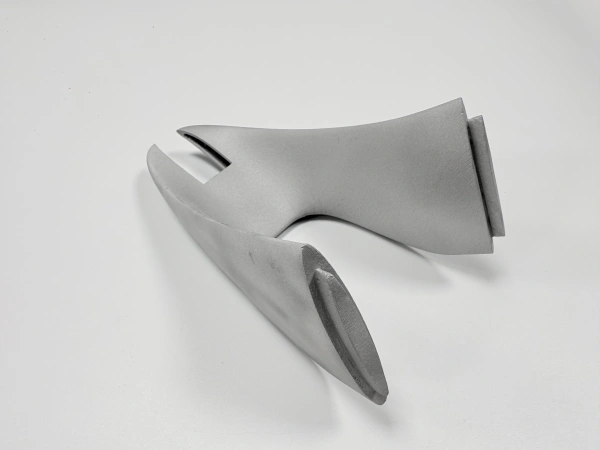
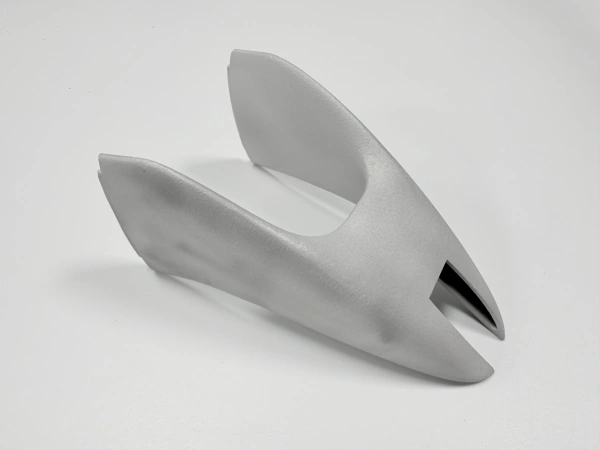
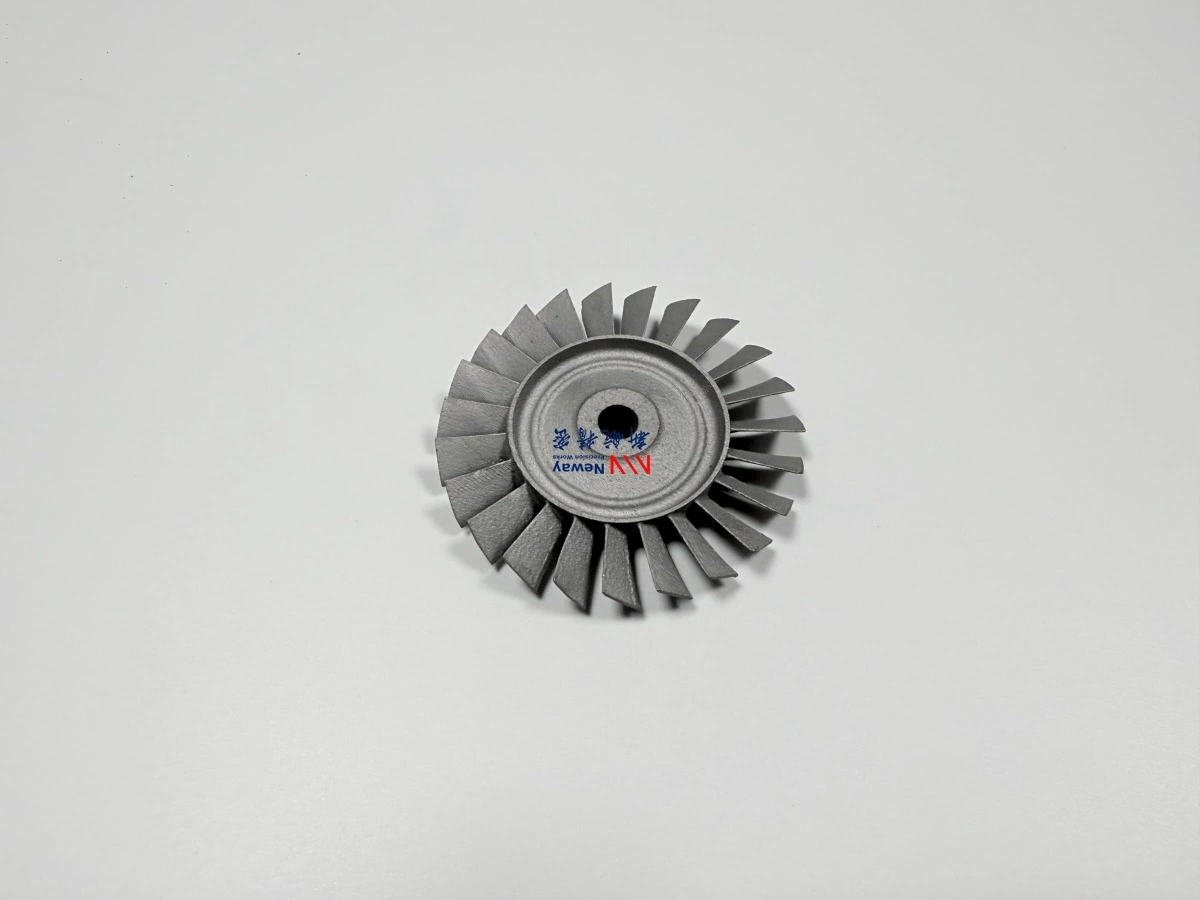
AlMgScZr is designed for applications where lightweight performance and structural strength matter more than minimum cost. It is especially attractive for topology-optimized parts, lattice structures, UAV components, motorsport hardware, and robot motion structures.
Higher strength-to-weight potential than common aluminum printing alloys
Well suited for topology optimization and lightweight structures
Good choice for load-bearing brackets, arms, nodes, and supports
Useful for high-value automotive 3D printing, aerospace, UAV, and performance engineering projects
Suitable when the design target is structural efficiency rather than lowest unit price
3. Advantages of AlSi10Mg for General Aluminum 3D Printing
AlSi10Mg is one of the most common aluminum materials for metal additive manufacturing. It is a practical option when the part does not require the highest structural performance but still needs lightweight aluminum, good printability, and stable supply.
More economical for many prototype and small-batch projects
Good printability and stable process route
Suitable for housings, covers, brackets, fixtures, and thermal parts
Good choice for general functional aluminum prototypes
Often preferred when cost, lead time, and availability are more important than maximum strength
4. Comparison Table: AlMgScZr vs AlSi10Mg
Comparison Item | AlMgScZr / Scalmalloy | AlSi10Mg |
|---|---|---|
Strength potential | Higher, better for load-bearing lightweight structures | Moderate, suitable for general functional aluminum parts |
Cost level | Higher material and processing cost | More cost-effective for common applications |
Lead time | May require more planning due to material and process requirements | Usually easier to schedule for prototype and small-batch orders |
Typical applications | Aerospace brackets, UAV structures, racing parts, robot arms, sports equipment | Housings, heat sinks, fixtures, brackets, functional prototypes |
Post-processing need | Often requires heat treatment, CNC machining, and inspection for structural applications | Often requires CNC machining and surface finishing for precision or cosmetic features |
Design risk | Higher if performance, load path, or inspection requirements are unclear | Lower for general aluminum prototypes and non-critical structures |
Best selection logic | Choose when weight and strength justify higher cost | Choose when standard aluminum performance is sufficient |
5. Selection Advice for Aluminum 3D Printing Materials
When choosing between AlMgScZr and AlSi10Mg, engineers should start from the part function instead of only comparing material names. The key question is whether the part truly requires high strength aluminum performance or whether a standard aluminum 3D printing material is sufficient.
Choose AlMgScZr if the part is load-bearing, weight-critical, or used in aerospace, UAV, racing, or high-performance robotics applications
Choose AlSi10Mg if the part is a general prototype, housing, bracket, thermal component, fixture, or moderate-load structure
Choose AlMgScZr if topology optimization and weight reduction are central to the design goal
Choose AlSi10Mg if budget, availability, and standard aluminum performance are more important
Use CNC post-machining for both materials when holes, threads, datum faces, or sealing surfaces require precision
For broader material review, customers can compare available aluminum alloys before final material selection.
6. RFQ Advice for Material Selection
To choose the right aluminum 3D printing material, customers should provide application and performance requirements together with the geometry data.
3D CAD file and 2D drawing
Target material or acceptable alternative materials
Load condition, weight target, and operating environment
Required quantity and lead time
Critical tolerances, threads, datum surfaces, and surface finish requirements
Post-processing and inspection requirements
7. Summary
AlMgScZr is better than AlSi10Mg for high-strength, weight-critical, and load-bearing lightweight structural parts. AlSi10Mg is better for general aluminum prototypes, housings, heat sinks, fixtures, and cost-sensitive functional parts. If the part’s success depends on maximum strength-to-weight performance, AlMgScZr is worth considering. If the part only needs reliable aluminum performance at a more economical cost, AlSi10Mg is usually the more practical choice.
If you need aluminum 3D printing material selection service, provide the 3D model, 2D drawing, load requirements, weight target, quantity, tolerance needs, and budget expectations so the most suitable material and manufacturing route can be evaluated before quotation.