Lightweight Aluminum Bracket AM When Casting Tooling Is Too Early
Lightweight aluminum bracket AM is most useful when the design is still changing and casting tooling would lock the buyer into the wrong geometry. Before a bracket reaches tool-ready status, the team may need to test load paths, mounting positions, cable routing, weight targets, or assembly clearance. AM can shorten that learning loop, but it is not the right answer for every bracket.
Neway reviews early aluminum bracket RFQs by comparing three questions: does the geometry justify powder bed fusion, can CNC make the part more directly, and is the design stable enough to justify casting tooling? The answer changes between one prototype, a pilot lot, and repeat production.
This article is for buyers using rapid prototyping to delay tooling until the bracket geometry is proven. It focuses on route timing, not tooling cost estimates or unsupported material claims.
When Bracket Geometry Is Too Unstable for Tooling
Casting tooling becomes risky when the bracket design is still moving. If mounting holes, wall layout, rib position, or envelope clearance are not confirmed, a hard tool can preserve a design that the engineering team later changes. AM is useful when the buyer needs physical evidence before freezing those decisions.
Unstable geometry includes brackets with uncertain bolt patterns, changing load paths, new sensor mounts, evolving cable clips, or packaging studies inside an assembly. In these cases, the RFQ should say which design questions the prototype must answer. A printed bracket used for fit review may not need the same finish and inspection as a pilot-lot bracket used for functional testing.
When the buyer already knows the bracket will require multiple changes, AM should be quoted with revision flexibility. That may mean separate prototype quantities, optional machining scope, and a clear rule for which features are inspected each iteration.
The RFQ should also explain what evidence would make the team stop changing the bracket. It may be successful assembly, clearance inside a tight package, bolt pattern confirmation, weight review, or enough test feedback to release a pilot lot. Without that decision point, the supplier cannot know whether to optimize for speed, finished interfaces, or repeatability.
AM Bracket Features That CNC Cannot Produce Efficiently
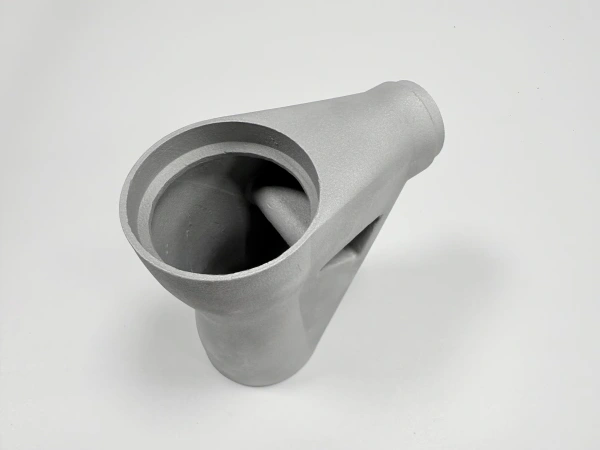
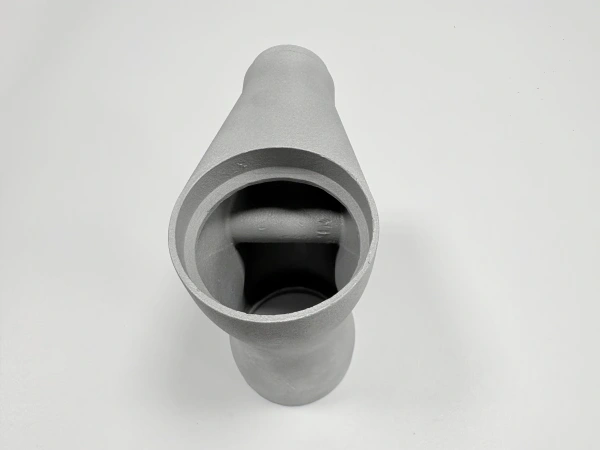
AM becomes easier to justify when the bracket uses curved ribs, internal channels, organic load paths, lattice-like weight reduction, or consolidated attachments. These features can make Scalmalloy-type or AlSi10Mg AM routes worth reviewing, depending on material approval and function.
The buyer should separate AM-value geometry from finished interfaces. A printed rib network may remain as printed. Bolt pads, datum feet, threaded holes, bearing seats, and close-fit bores often need CNC machining. The quote should not hide that work inside the material price.
Support and powder access still matter. A bracket with deep pockets or enclosed cavities may need access openings. A thin arm may distort after support removal. A support scar on a nonfunctional pocket may be acceptable, while the same scar near a loaded lug may require redesign or finishing.
AM can also help when the bracket combines several small details into one part. A cable guide, sensor boss, lightening pocket, and mounting ear may be difficult to machine as one economical billet part during early development. If those added features are still uncertain, printing them can help the buyer learn before committing to tool steel.
Project stage | AM fit | CNC fit | Casting-tooling risk | Buyer decision |
|---|---|---|---|---|
First concept bracket | Useful for organic shape, low quantity, and rapid design change | Good for simple plate or block geometry | Tooling usually locks design too early | Define which geometry question the prototype answers |
Functional prototype | Useful when lightweight form and assembly are both tested | Good if function depends mainly on machined interfaces | Tool may still be premature if holes or ribs move | Mark machined pads and inspection points |
Pilot lot | Useful before demand and design are fully stable | Good for simple repeat fixtures or brackets | Tooling may be justified only after revision freeze | Freeze material, finish, and acceptance records |
Repeat production | Useful if geometry remains AM-driven | Useful if part is prismatic and machining time is acceptable | May become practical when volume and design are stable | Compare finished-part cost, not raw blank cost |
Simple Plates and Blocks That Should Stay with CNC
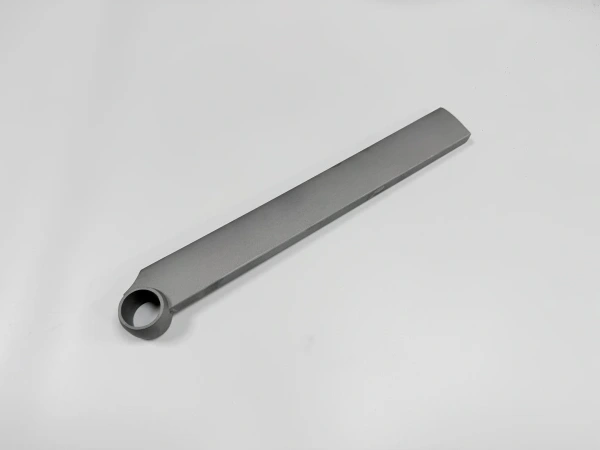
Not every lightweight aluminum bracket should be printed. A simple plate with holes, a straight spacer, a flat flange, or a block with pockets may be more practical as CNC work. AM can add support removal, heat treatment review, and surface cleanup to a geometry that machining already handles well.
If the buyer wants AM only to avoid tooling, Neway may still recommend CNC for the first prototype. This is not a rejection of aluminum AM; it is a route decision based on geometry. AM should solve a problem that CNC or early casting cannot solve economically or technically.
A useful RFQ will allow that route comparison. Send the same STEP and drawing with permission to quote AM and CNC where appropriate. Purchasing can then compare finished-part scope, including machining and inspection, rather than comparing one raw print price with one machined-part quote.
For simple CNC candidates, the buyer should still define the future casting intent. A machined prototype may confirm hole positions, but it may not represent rib thickness, cast wall transitions, or the final parting-line strategy. If casting is likely later, the early prototype route should be chosen for the decision it supports, not for process preference alone.
Pilot Lot Questions Before Die Casting Commitment
A pilot lot sits between prototype learning and tooling commitment. The buyer may need enough brackets for vehicle, device, or assembly trials but may not have the final geometry or volume demand. AM can be useful here, especially for automotive or equipment development programs where packaging changes continue.
Pilot lots should define what stays flexible. The buyer may freeze bolt hole positions but keep rib shape open. It may freeze material but still adjust surface finish. It may accept selected inspection rather than full production documentation. Those choices should be written into the RFQ so the quote reflects the stage of development.
When a pilot lot becomes a repeat order, the route should be reviewed again. A process chosen to avoid tooling during uncertainty may not remain the right process after geometry, demand, and acceptance requirements stabilize.
The pilot lot should also specify receiving evidence. A few prototype brackets may only need selected dimensions. A pilot set sent into assembly trials may need drawing revision control, material records, machined-interface checks, and a note on support cleanup. If the buyer later asks the supplier to match the pilot lot exactly, those conditions need to be documented.
What to Freeze Before Moving from AM to Casting
Before moving from AM to casting, the buyer should freeze bracket geometry, load path, wall transitions, mounting interfaces, material requirement, surface finish, and inspection evidence. AM prototypes can help reveal which features are functional and which features were only convenient in early CAD. Those lessons should be transferred to the tooling design deliberately.
Do not freeze only the outside shape. The buyer should also confirm hole machining allowance, minimum access for later finishing, datum strategy, accepted surface cleanup, and whether any AM-only feature must be redesigned for casting. These details often decide whether the tooling package reflects what the prototype actually proved.
For a reliable lightweight aluminum bracket 3D printing service quote, send the STEP file, 2D drawing, material preference, quantity, prototype or pilot stage, design-change expectation, load path notes, no-support surfaces, machined pads, hole patterns, finish requirements, inspection records, and target delivery timing. If casting is the later route, state what must remain casting-representative.
The best use of AM before tooling is to buy evidence. If the bracket proves fit, load path, and interface choices before tooling release, the printed parts have done their job for the sourcing team and project schedule review.
Related FAQs
.webp)
.webp)