AlSi10Mg Service Quote for Housings Ducts Fixtures and Low-Volume Parts
An AlSi10Mg 3D printing service quote should be built around the part family, not only the material. A housing, duct, fixture, lightweight bracket, and low-volume component can all use aluminum AM, but they create different risks for support, distortion, powder access, CNC machining, and inspection.
Neway reviews AlSi10Mg RFQs by asking what the buyer needs to receive: a printed prototype, a machined assembly part, a sealed housing, a functional fixture, or a repeatable low-volume lot. The same CAD file can be priced differently if broad faces need flatness, ducts need internal powder access, or bearing seats need post-machining.
This article helps buyers prepare powder bed fusion RFQs for AlSi10Mg housings, ducts, fixtures, and production-intent samples. It keeps the decision on component behavior instead of repeating a general aluminum material description.
Housings With Broad Faces and Sealing Interfaces
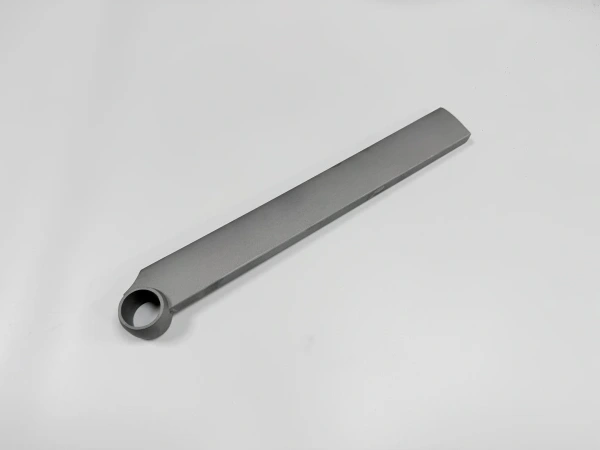
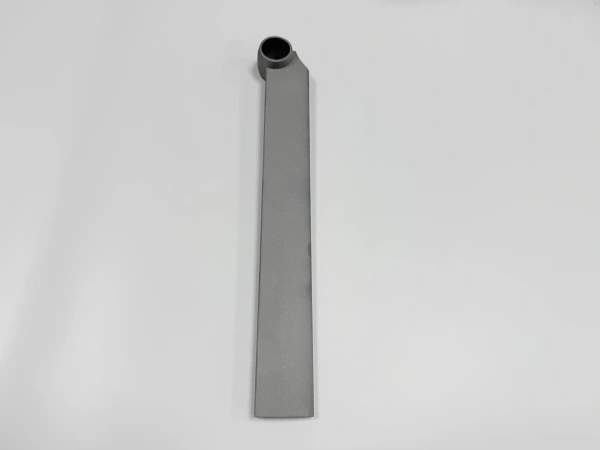
AlSi10Mg housings often look attractive for AM because they can combine bosses, ribs, internal passages, and cast-like walls without tooling. The quote changes when the housing has broad flat faces, gasket lands, O-ring grooves, bearing seats, or threaded ports. Those features usually cannot be left as generic as-printed surfaces if the part must seal or assemble.
Broad faces may distort during printing, support removal, or thermal processing. The RFQ should mark which faces are cosmetic, which faces locate the housing, and which faces are sealing surfaces. CNC machining may be needed only on selected pads and bores, not on every printed contour.
If the buyer is using AM before casting tooling, the housing should also be reviewed for the purpose of the prototype. A casting-representative model may keep draft and wall transitions. A functional test housing may allow AM-specific changes that improve support removal or powder access.
Leak-related housings need extra boundary definition. A quote for a cover with cosmetic screw bosses is different from a manifold body with sealed ports. If pressure or fluid exposure matters, the buyer should state the test expectation, the surfaces that seal, and whether leak evidence is required. Otherwise the supplier may quote only dimensional finishing and leave the acceptance risk unresolved.
Ducts With Internal Surfaces and Powder Access
Ducts and manifold-like aluminum parts create a different quote problem. The visible outside may be simple, while the internal path controls function. Powder removal, support-free channel design, internal surface condition, and access openings should be reviewed before the buyer approves the CAD model for printing.
A duct with a long enclosed path may need drain holes or design changes so powder can be removed. If the internal surface affects flow or cleanliness, the buyer should state how it will be accepted. Ordinary external visual inspection cannot prove the condition of a hidden surface. If the duct has flanges or sensor bosses, those features may still need machining after printing.
For prototype ducts, the buyer may accept a simplified evidence package. For repeat low-volume parts, the internal access strategy should be frozen so each lot follows the same cleaning and inspection logic.
Wall transitions inside a duct should not be judged only from the outside model. A sharp bend, sudden section change, or blind pocket may print, but it may be difficult to clean or verify. If the duct carries air, coolant, or a process gas, the buyer should explain whether surface condition, flow restriction, or debris risk is part of the prototype decision.
Part family | AM advantage | Manufacturing risk | Post-process boundary | Quote input |
|---|---|---|---|---|
Housing | Combines ribs, bosses, and cast-like walls without tooling | Broad faces and heavy bosses may distort | Machine sealing lands, bores, and datum pads | Mark gasket faces and assembly datums |
Duct | Creates curved internal paths and compact routing | Powder removal and hidden surface acceptance | Add access holes, finish flanges, inspect accessible features | Provide flow path purpose and cleaning expectation |
Fixture | Allows quick lightweight geometry for tests | Simple fixtures may be cheaper by CNC | Machine locating pads and repeat clamping surfaces | State test load, datum scheme, and repeat use |
Lightweight bracket | Uses ribs and pocketed shapes to reduce mass | Thin arms can move after support removal | Finish bolt faces and hole patterns | Identify no-support zones and critical holes |
Low-volume component | Avoids hard tooling during pilot demand | Prototype shortcuts may repeat poorly | Freeze route, finish, and inspection after approval | Give expected lot size and revision control |
Fixtures That May Be Better Machined Than Printed
AlSi10Mg is not automatically the right route for every aluminum fixture. If the fixture is a simple plate, block, spacer, or straight clamp with drilled holes, CNC may be simpler to quote and easier to modify. AM becomes more useful when the fixture needs weight reduction, conformal support, internal routing, ergonomic handling, or a shape that would take too much machining time.
Functional fixture surfaces should be separated from convenience geometry. Locating pins, clamping pads, dowel holes, and reference faces usually need machining and inspection. Handles, clearance pockets, and noncontact walls may remain printed. This separation keeps the quote focused on the surfaces that control the test or assembly task.
Buyers should also state whether the fixture is disposable, used for a short test series, or expected to repeat. A one-time fixture can sometimes accept more manual finishing. A fixture used for repeated measurement or assembly should have a defined datum scheme and record package.
Fixture cost also depends on how the part will be adjusted after delivery. If the buyer expects to drill extra holes, shim a pad, or modify a clamp position during testing, it may be better to leave local stock or choose a simpler machined blank. If the fixture's value is a complex support surface that matches a printed or cast component, AM may be easier to justify.
Threaded Inserts and Bearing Seats After AlSi10Mg Printing
Threads, inserts, bores, bearing seats, and sealing faces should be quoted as finished features. A printed pilot feature may help locate the machining operation, but it should not be treated as the final interface. The drawing should state whether threads are tapped directly, use inserts, or require a customer-specific fastening method.
Bearing seats and aligned bores need stable datum planning. If a housing has two bores that must align, Neway needs to understand the machining access and inspection method before printing. If a sealing face wraps around a port, the quote should include the machining and surface evidence required for that face.
Surface treatment may also change the boundary. Blasting, polishing, coating, or masking can affect edges, threads, and sealing areas. Buyers should tell the supplier which zones must be protected and which zones are only visual.
Prototype Approval Before Repeat AlSi10Mg Lots
Prototype approval should define what carries into repeat supply. If the prototype was accepted with a rough internal duct surface, visible support cleanup, or limited inspection, the buyer should decide whether those conditions remain acceptable. Low-volume AM can avoid tooling, but it still needs stable process boundaries when the same part is ordered again.
Repeat AlSi10Mg lots should also lock revision control. A small change in wall thickness, support access, insert type, or finish note can change build preparation and post-processing. If the buyer wants the next lot to match the approved prototype, the drawing revision, route notes, and inspection scope should be frozen before purchase release.
For a reliable RFQ, send the STEP file, 2D drawing, AlSi10Mg or alternate aluminum requirement, quantity, part family, prototype or repeat stage, broad faces, duct access, machined interfaces, threads, inserts, bearing seats, sealing surfaces, heat treatment or finish expectations, inspection records, and target delivery timing. If rapid prototyping is the goal, say which decision the prototype must support.
The quote becomes clearer when the buyer names the component family and the finished features. AlSi10Mg is the material, but the housing, duct, fixture, or low-volume part defines the manufacturing risk, finishing route, inspection timing, buyer approval path, repeat order controls, and the evidence needed at final receiving.
Related FAQs
.webp)
.webp)