What Post-Processing Is Recommended for AlSi10Mg 3D Printed Parts
AlSi10Mg can replace CNC-machined aluminum when the design benefits from internal channels, lightweight structures, part consolidation, or complex low-volume geometry. CNC remains preferable for simple stock-based shapes or parts where nearly every surface needs tight machining control.
A hybrid route often prints the complex blank and machines the critical interfaces. Compare accepted cost, tolerance, surface, inspection, and quantity rather than assuming either process is always cheaper or more accurate.
Can AlSi10Mg 3D Printing Replace CNC Machined Aluminum Parts?
Yes, AlSi10Mg aluminum parts can replace or optimize CNC machined aluminum parts when the design includes complex geometry, internal channels, lightweight structures, or integrated features. However, for simple block-shaped parts, flat plates, standard profiles, or very tight tolerance surfaces, CNC machining service may still be more economical and precise. In many engineering projects, the best solution is a hybrid route: 3D print the complex aluminum blank, then CNC machine the critical surfaces.
1. When AlSi10Mg 3D Printing Can Replace CNC Machining
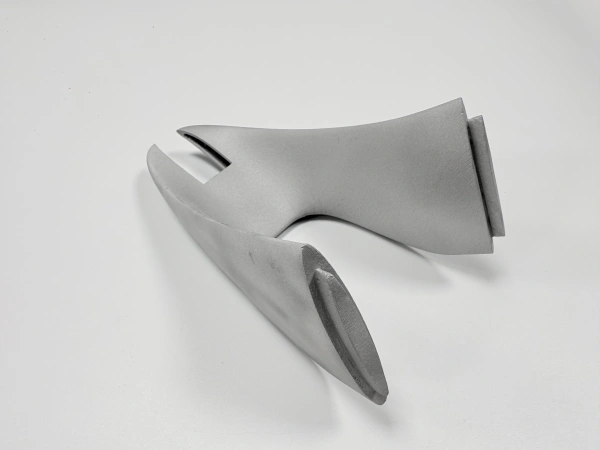
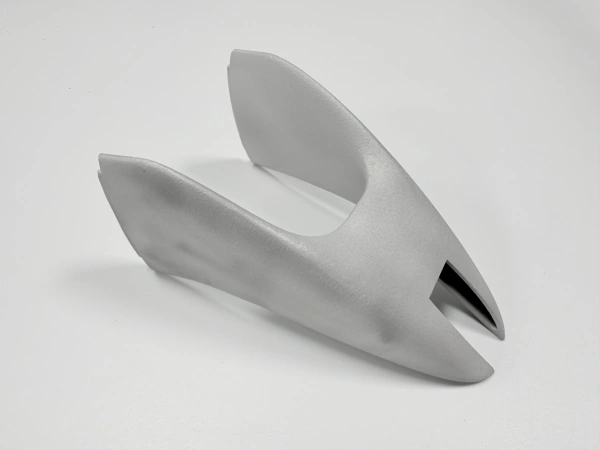
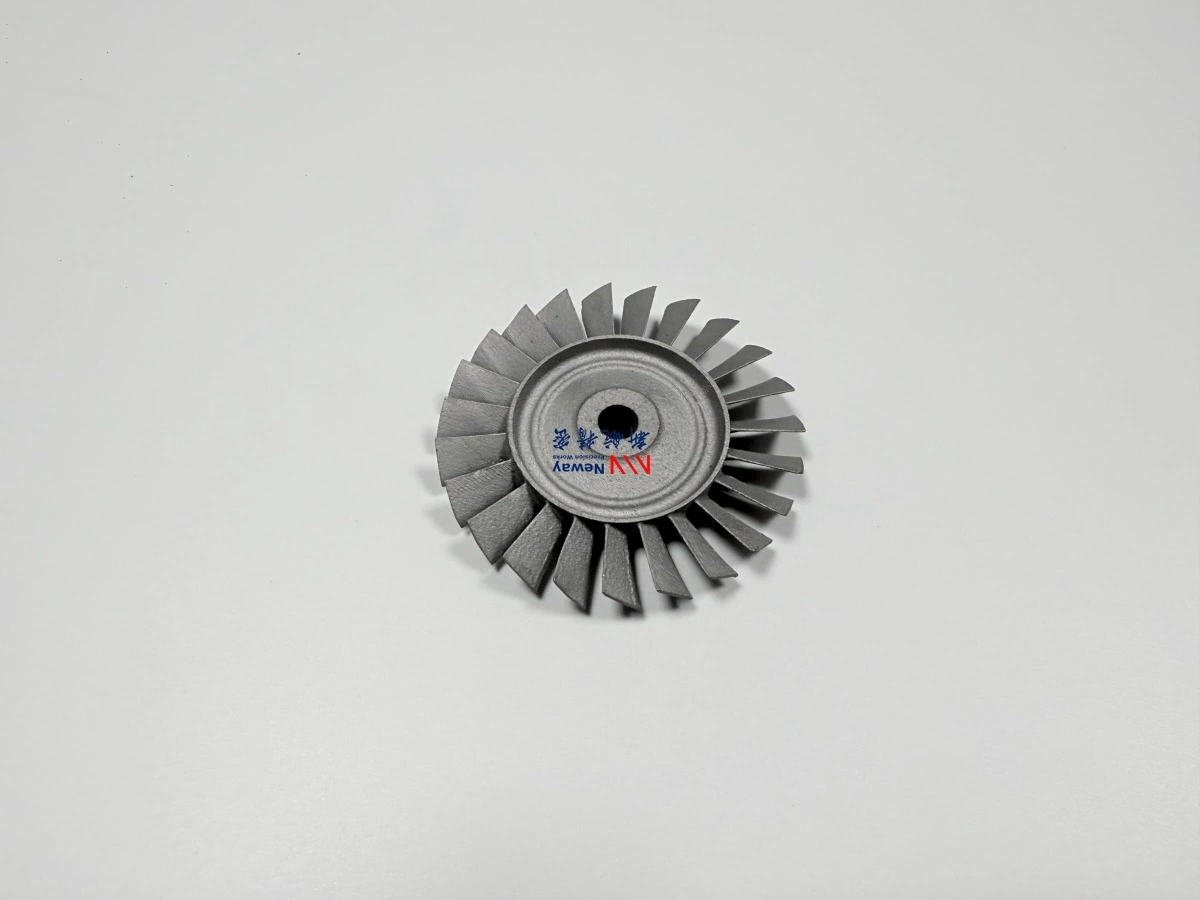
AlSi10Mg 3D printing is most valuable when traditional CNC machining would require excessive material removal, complex fixtures, multiple setups, or impossible tool access. Additive manufacturing builds the part layer by layer, making it suitable for optimized lightweight and integrated designs.
Best Case for AlSi10Mg Printing | Why 3D Printing Helps |
|---|---|
Internal channels | Creates flow paths or cooling channels that are difficult to machine |
Topology-optimized brackets | Reduces weight while keeping strength in load-bearing areas |
Integrated structures | Combines multiple machined components into one printed part |
Complex housings | Reduces assembly work and allows compact design features |
Functional prototypes | Speeds up design iteration without hard tooling |
2. When CNC Machining Is Still the Better Choice
CNC machining remains the better option when the aluminum part has simple geometry, tight flatness requirements, standard stock shape, or high-precision surfaces across most of the component. For example, parts made from billet, plate, or bar stock may be faster and cheaper to machine if the design does not benefit from additive manufacturing.
Simple blocks, plates, covers, and spacers
Parts with large flat machined surfaces
Standard billet or extrusion-based components
High-volume parts with simple geometry
Parts requiring tight tolerances on nearly every surface
For high-strength machined aluminum alternatives, customers may also compare Aluminum 6061 and Aluminum 7075 depending on strength, machinability, and application requirements.
3. Hybrid Option: 3D Printing Plus CNC Machining
For many custom aluminum parts, AlSi10Mg 3D printing should not be viewed as a complete replacement for CNC machining. Instead, the two processes can work together. Printing creates the complex near-net-shape blank, while CNC machining finishes the surfaces that require accuracy, fit, sealing, or assembly control.
Process Step | Main Function |
|---|---|
AlSi10Mg 3D printing | Produces complex geometry, internal structures, and lightweight features |
CNC machining | Finishes holes, threads, datum faces, sealing faces, and tolerance-critical areas |
Inspection | Verifies critical dimensions, assembly features, and drawing conformity |
This hybrid route is especially useful for aerospace, robotics, tooling, and automotive applications where the part needs both lightweight geometry and reliable dimensional control.
4. Decision Checklist: 3D Printing or CNC Machining?
Before choosing between AlSi10Mg 3D printing and CNC machining, engineers should evaluate part complexity, tolerance requirements, quantity, material requirements, and cost targets.
Question | If Yes, Consider... |
|---|---|
Does the part have internal channels or complex lightweight structures? | AlSi10Mg 3D printing |
Is the geometry a simple block, plate, or bracket from standard stock? | CNC machining |
Are only a few surfaces tolerance-critical? | 3D printing plus CNC machining |
Are nearly all surfaces high-precision machined surfaces? | CNC machining |
Is weight reduction a major design goal? | AlSi10Mg 3D printing |
Is the order a prototype or small batch with complex geometry? | Aluminum additive manufacturing |
5. RFQ Advice for Custom Aluminum Parts
To decide whether AlSi10Mg 3D printing, CNC machining, or a hybrid process is the most suitable route, customers should provide complete RFQ information.
3D CAD file for geometry and manufacturability review
2D drawing with tolerances, threads, datums, and surface requirements
Required quantity for prototype, small batch, or production
Material preference or functional requirement
Load condition, assembly function, and operating environment
Cost target, lead time, and inspection requirements
6. Summary
AlSi10Mg 3D printing can replace CNC machined aluminum parts when the design benefits from complex geometry, internal channels, topology optimization, lightweight structures, or part consolidation. CNC machining is still better for simple, highly precise, stock-based components. For many functional aluminum parts, the best approach is custom aluminum 3D printing and CNC machining together: print the complex AlSi10Mg blank, then machine the holes, threads, sealing faces, datum surfaces, and assembly-critical features.
If you are unsure which process is better, submit the 3D model, 2D drawing, quantity, tolerance requirements, and application details so the most cost-effective manufacturing route can be evaluated before quotation.