Is AlSi10Mg a Good Material for Custom Aluminum 3D Printed Parts?
TA15 can be considered for aerospace structural parts only when the alloy specification, process route, load spectrum, temperature, environment, geometry, final state, inspection, and approval path are defined. The name TA15 does not establish flight suitability.
Request material and powder records, orientation, heat-treatment route, machining and surface condition, dimensional report, and representative mechanical evidence. Separate design screening from production approval and assign the authority for deviations or retest.
Is TA15 Titanium Suitable for Aerospace 3D Printed Structural Parts?
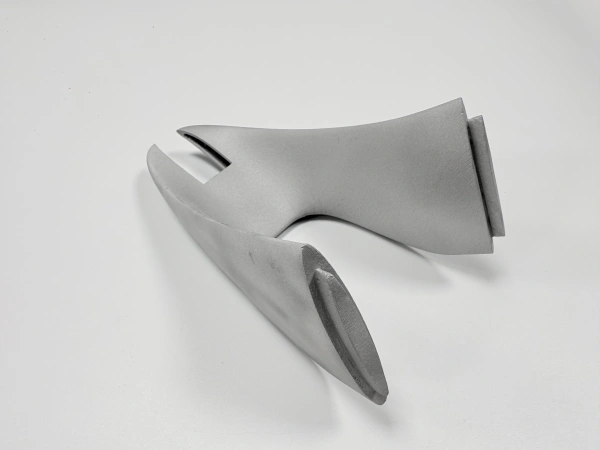
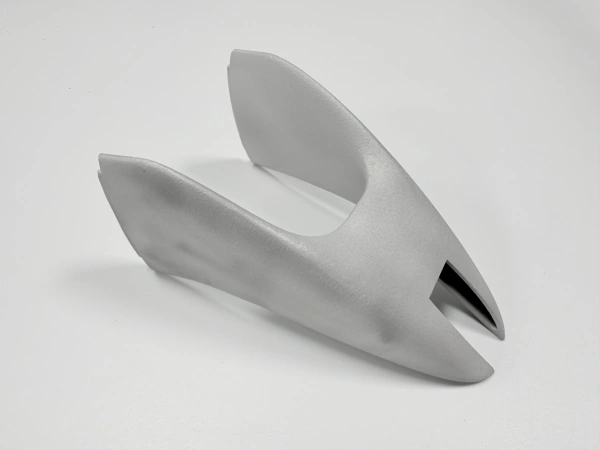
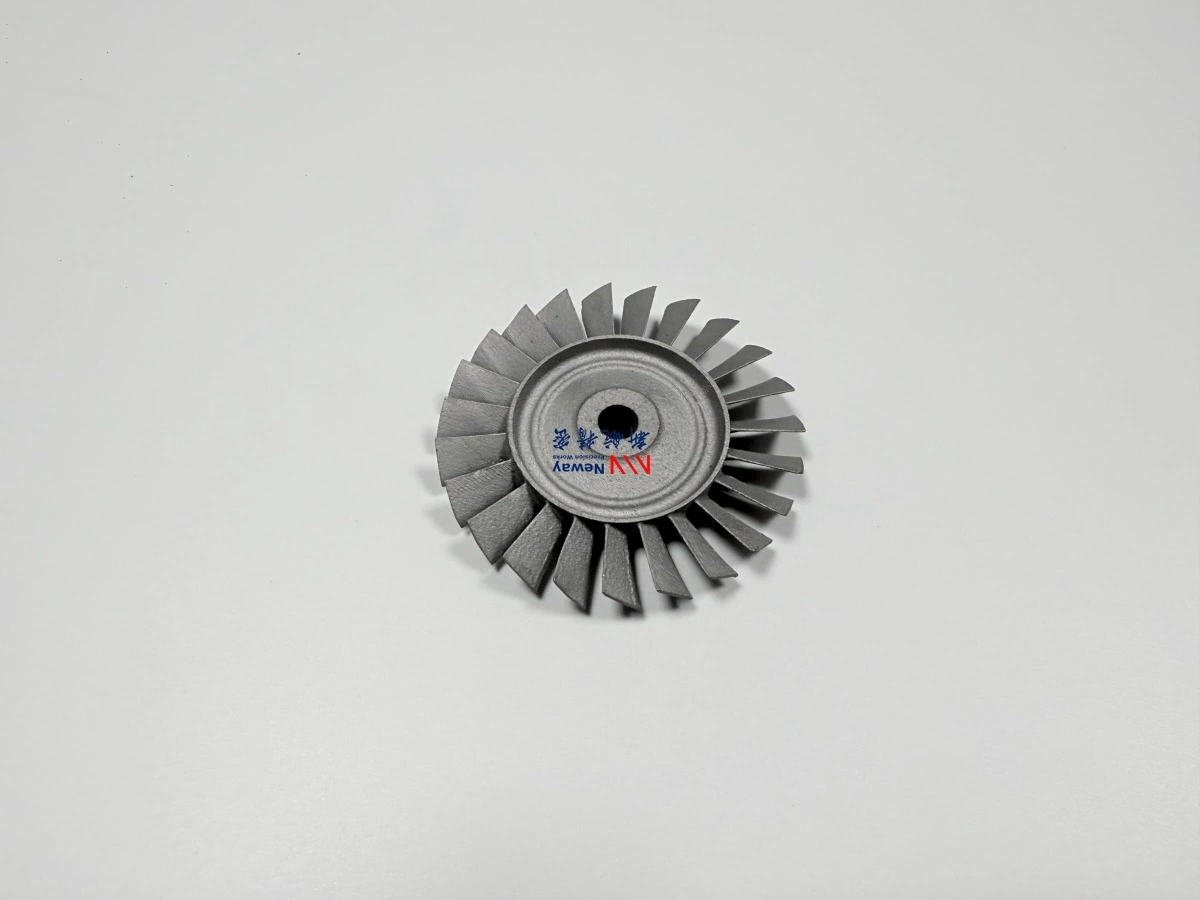
Yes. TA15 Titanium 3D Printing Service is suitable for aerospace structural parts, lightweight load-bearing components, and high-performance engineering prototypes when the part design, material standard, post-processing route, and inspection requirements are properly controlled. For critical aerospace parts, TA15 should be evaluated together with the drawing, operating temperature, load condition, tolerance requirements, and quality documentation needs.
1. Why TA15 Is Used for Aerospace Structural Parts
TA15 is a titanium alloy developed for applications that require strength, toughness, structural stability, and better elevated-temperature capability than many general-purpose titanium alloys. These characteristics make it attractive for Aerospace and Aviation Titanium Parts, especially where weight reduction and structural reliability are both important.
Good strength-to-weight ratio for lightweight aerospace structures
Better thermal stability for moderately high-temperature titanium applications
Suitable for load-bearing brackets, supports, housings, and structural prototypes
Useful when the part requires a stronger engineering focus than standard prototype-grade titanium printing
2. TA15 vs TC4 for Aerospace 3D Printed Parts
Both TA15 and Ti-6Al-4V TC4 3D Printing can be used for titanium additive manufacturing, but they are not selected for exactly the same purpose. TC4 is usually the more common and general-purpose choice, while TA15 is more suitable for higher-value aerospace structural and thermal-load applications.
Comparison Item | TC4 / Ti-6Al-4V | TA15 |
|---|---|---|
Main Positioning | General-purpose titanium alloy for lightweight parts | Aerospace structural titanium alloy for higher-performance applications |
Typical Use | Brackets, housings, industrial lightweight components | Aircraft structural parts, load-bearing supports, high-stability engineering parts |
Selection Priority | Availability, process maturity, balanced cost | Structural stability, aerospace performance, higher service requirement |
Best RFQ Fit | General custom titanium parts | Custom TA15 titanium structural parts with defined performance requirements |
3. Printing Process for TA15 Titanium Parts
TA15 titanium parts can be produced by Powder Bed Fusion, especially for complex aerospace geometries that are difficult to manufacture through traditional machining alone. Additive manufacturing is useful when the design requires lightweight structures, internal features, part consolidation, or fast engineering iteration.
Build orientation affects support design, distortion risk, and surface quality
Thin walls, overhangs, and lattice structures require manufacturability review
Machining allowance should be reserved for critical assembly features
Process control is important for repeatability and structural reliability
For projects requiring broader titanium material selection, customers can also review Titanium Alloy 3D Printing and Titanium 3D Printing Service.
4. Post-Processing for TA15 Aerospace Parts
TA15 aerospace structural parts usually require post-processing to meet final strength, dimensional, and assembly requirements. Printing alone is often not enough for finished aerospace-grade components.
Heat Treatment helps relieve residual stress and stabilize mechanical properties
HIP may be considered for fatigue-critical or safety-critical structural parts
CNC Machining is used for precision holes, threads, datum surfaces, and assembly interfaces
Surface treatment may be applied for roughness control, corrosion resistance, or final appearance
5. Quality Control for TA15 Printed Structural Parts
Because aerospace parts often involve strict reliability requirements, quality control should be planned at the RFQ stage. The inspection scope depends on the application risk, drawing requirements, and customer specification.
Inspection Item | Purpose |
|---|---|
CMM inspection | Verifies critical dimensions, datums, and tolerance requirements |
CT / X-ray inspection | Checks internal porosity, lack of fusion, and hidden defects |
Material certificate | Confirms titanium alloy grade and material traceability |
Dimensional report | Documents final measured dimensions after printing and machining |
Mechanical testing | Supports validation when tensile, fatigue, or load requirements are specified |
6. RFQ Advice for Custom TA15 Titanium Structural Parts
For an accurate TA15 titanium parts quote, customers should provide complete technical information instead of only a 3D file. This helps evaluate whether TA15 is the correct material and which post-processing and inspection route is needed.
3D CAD file and 2D drawing with tolerances
Required material standard or equivalent grade requirement
Quantity for prototype, batch, or production
Load condition, operating temperature, vibration, or fatigue exposure
Required heat treatment, HIP, CNC machining, or surface treatment
Inspection requirements such as CMM, CT/X-ray, material certificate, or tensile testing
7. Summary
TA15 titanium is suitable for aerospace 3D printed structural parts when the part requires lightweight strength, structural stability, and reliable performance under demanding engineering conditions. Compared with TC4, TA15 is more focused on aerospace structural and high-performance applications. For finished parts, heat treatment, CNC machining, inspection, and sometimes HIP should be considered based on the drawing and final operating environment.
If you need custom TA15 titanium structural parts, provide the 3D model, 2D drawing, material specification, quantity, operating conditions, and inspection requirements so the printing and post-processing route can be evaluated accurately before quotation.