Low-Volume Metal 3D Printing Service vs CNC and Casting
A low-volume metal 3D printing service should be compared against CNC machining and casting before a buyer locks the manufacturing route. The lowest raw blank price is not always the lowest finished-part price, and the best route can change between a 1-piece prototype, a 20-piece pilot lot, and a 300-piece repeat order.
For Neway, the useful question is not whether a part can be printed. It is whether metal additive manufacturing removes tooling, reduces machining waste, enables internal geometry, or combines parts in a way that offsets powder-bed build time, support removal, heat treatment, CNC finishing, and inspection. If the part is a simple plate, shaft, spacer, or flange, CNC may still be the cleaner purchase.
This comparison is written for buyers preparing a metal 3D printing quote, a CNC quote, or a casting quotation for the same industrial part. The RFQ should show quantity, geometry, material, tolerance, machined interfaces, and whether the order is a prototype, pilot run, or repeat production lot.
Lot Size Changes the Route Before Geometry Does
Quantity is the first commercial filter because each route carries a different fixed cost. Metal AM through powder bed fusion avoids casting tooling and can make one-off complex parts without dedicated fixtures for every surface. CNC has low setup burden for simple shapes but can become expensive when material removal is high. Casting adds tooling and foundry planning, so it becomes easier to justify after the design and demand are stable.
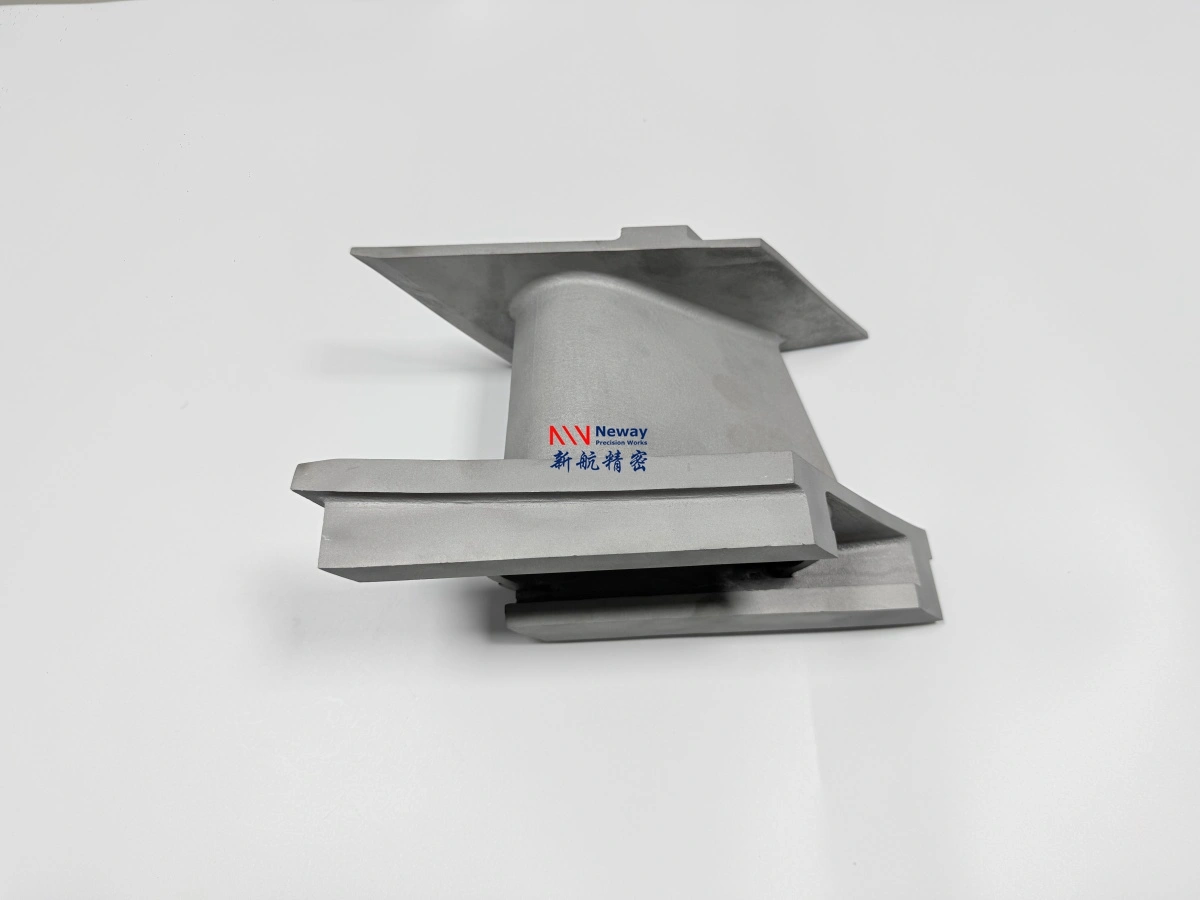
For 1 to 5 pieces, AM is worth reviewing when the part has internal channels, lattice-like weight reduction, integrated brackets, conformal passages, or geometry that would require several CNC setups. CNC is often better for solid blocks, plates, shafts, flanges, and parts where the purchased stock shape is close to final geometry. Casting rarely makes sense at this stage unless the buyer is testing a future casting route.
For 10 to 50 pieces, the decision becomes less automatic. A nested AM build may spread setup cost across a batch, but support removal, stress relief, HIP when required, CNC finishing, and inspection still remain. CNC may win when the material is available as bar, plate, tube, or forging and the design has open tool access. Casting can be considered if the geometry already matches a stable production intent and tooling changes are unlikely.
For 50 to 500 pieces, repeatability and finished-part cost become more important than first-article speed. AM can still be correct for consolidated parts, internal flow paths, or low-volume aerospace, energy, robotics, and medical-adjacent fixtures that are not good casting or machining candidates. Casting may begin to compete when tooling cost can be spread across the lot and the part can tolerate foundry allowances, gating, and downstream machining.
Order situation | Metal AM route | CNC route | Casting route | Buyer decision before quote |
|---|---|---|---|---|
1 to 5 prototypes | Strong fit for internal channels, lightweight structures, consolidated parts, and fast design checks. | Strong fit for simple blocks, plates, shafts, flanges, and stock-friendly geometry. | Usually used only when the prototype is meant to verify a future casting path. | Decide whether function or production-route simulation matters more. |
10 to 50 pilot pieces | Useful when nesting, design complexity, and low tooling risk offset build and finishing cost. | Useful when repeat setups are simple and machining access is open. | Possible when design is stable and tooling risk is acceptable. | Compare finished-part cost, not build price or raw stock price alone. |
50 to 500 repeat pieces | Still practical for complex low-volume production with AM-only geometry. | Practical for accurate simple parts when material waste is acceptable. | Can become attractive when tooling is amortized and casting quality requirements are clear. | Confirm whether future design revisions are likely before paying tooling cost. |
Geometry That Makes AM Worth the Review
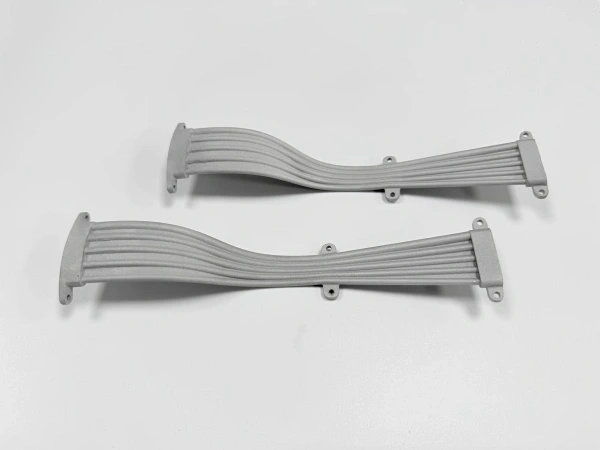
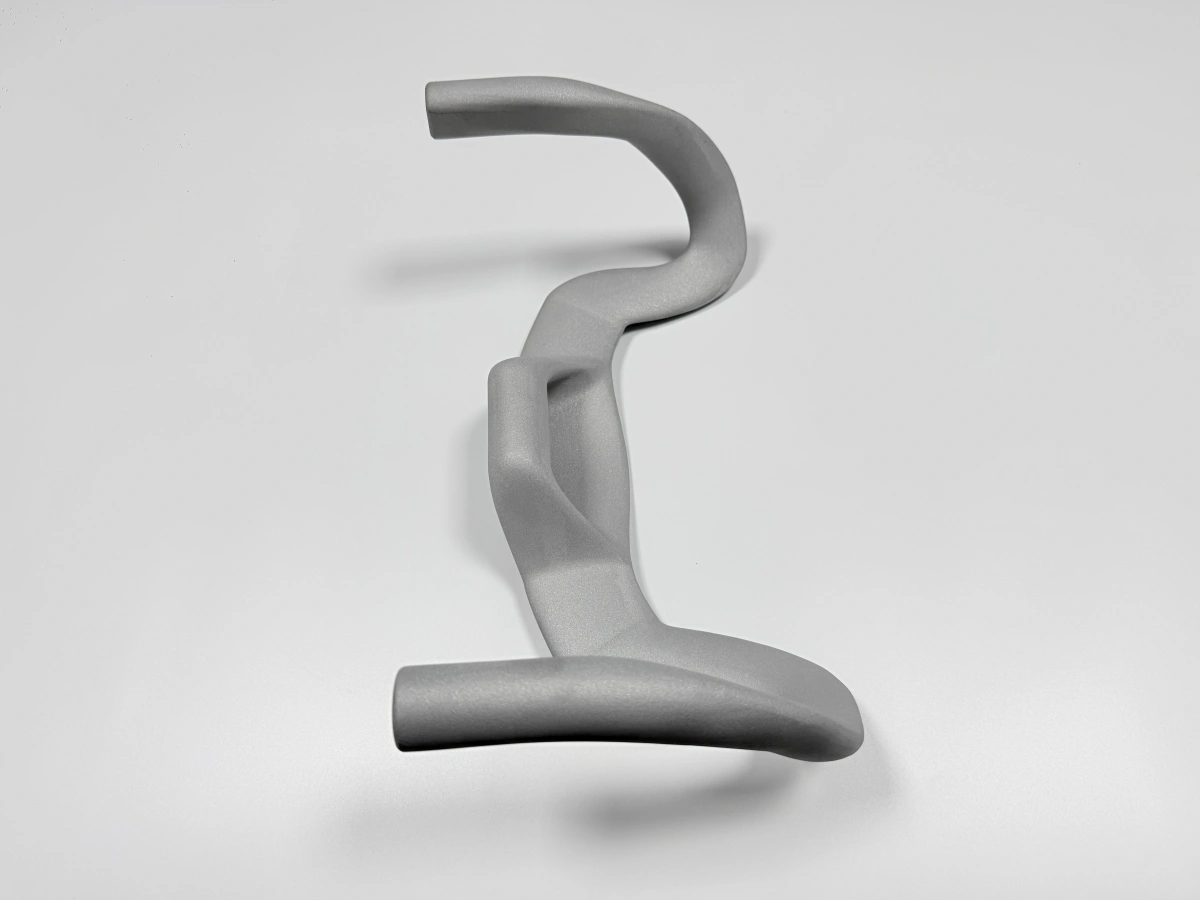
Low-volume metal 3D printing has a strong case when geometry creates value that CNC or casting cannot provide easily. Internal cooling channels, manifolds, lightweight brackets, integrated mounting features, curved ducting, and part consolidation are common triggers. If a design turns an assembly of welded or bolted parts into a single printed body, the buyer should compare assembly labor, leakage risk, tolerance stack-up, and inspection burden as well as unit price.
Powder removal must be part of that review. A sealed internal cavity, blind passage, or long narrow channel can make AM risky if powder cannot escape. A buyer should show drain openings, inspection expectations, and whether the internal feature is functional, cosmetic, or only used for weight reduction. Some channels may require design changes, sectioning for inspection, or a different manufacturing route.
Thin ribs, tall unsupported walls, broad flat faces, and heavy-to-thin transitions can affect build orientation and distortion. A part may need extra support, stress relief, or finish machining stock. If a critical sealing face, bearing seat, thread, bore, or datum is present, it should be called out as a finished surface rather than left as-printed.
Custom metal 3D printed parts should not be selected just because the quantity is low. If the part is a simple rectangular cover plate with holes, a turned bushing, a straight shaft, or a flat flange, CNC can be faster to quote and easier to inspect. AM becomes stronger when the design uses the process instead of treating it as a replacement for a machined blank.
Where CNC Remains the Cleaner Purchase
CNC machining is often the correct route when the geometry is simple, the stock form is available, and the finished tolerances are the main value driver. It can also be better when all critical features are accessible from conventional setups and no internal AM feature is needed.
CNC also avoids some AM-specific steps. There may be no support removal, no powder handling, no build plate separation, and no AM stress relief requirement. For a small stainless steel block, aluminum bracket with simple pockets, or steel flange with accurate bolt circles, CNC can provide a direct route from stock to finished part.
Material waste is the counterpoint. A lightweight bracket cut from a large billet may remove most of the purchased material. A complex manifold may require multiple setups and plugged cross-drilled holes. In those cases, the CNC quote can look simple at first and then grow once fixtures, tool access, deep holes, deburring, inspection, and assembly are included.
Neway usually asks buyers to mark the surfaces that truly need machining. If every surface is given a tight tolerance or fine finish, both AM plus CNC and full CNC can become expensive. Separating functional faces from noncritical surfaces helps compare the two routes fairly.
When Casting Starts to Compete
Casting becomes more practical when the geometry is stable, the quantity can absorb tooling, and the buyer accepts foundry allowances. It may be suitable for repeat components where near-net shape reduces material waste and the final part only needs selective machining. Investment casting or other casting routes can also support shapes that are difficult to machine from solid stock.
The tradeoff is that tooling, pattern control, casting shrinkage, gating, shell or mold process, foundry yield, heat treatment, and machining stock must be defined earlier. If the buyer expects design changes after the first pieces, casting can become expensive because tool changes follow every revision. Metal AM may be better for early pilot hardware where geometry is still being tested.
Casting should be quoted as a manufacturing route, not only as a cheaper blank. The buyer should ask what surfaces are as-cast, which faces are machined, what inspection confirms the casting, and whether any defects are acceptable under the drawing or specification. The same final part can have a different acceptance path when it is printed, machined, or cast.
Finished-Part Cost Is Not Raw Blank Cost
A low-volume metal 3D printing service quote should be compared at the finished-part boundary. AM cost can include build orientation work, machine time, support volume, powder use, build plate removal, stress relief, support removal, HIP when required, CNC stock allowance, surface treatment, and inspection. CNC cost can include stock size, setups, fixture time, tool access, deburring, thread milling or tapping, and CMM time. Casting cost can include tooling, pattern maintenance, foundry process, heat treatment, casting cleanup, machining allowance, and defect inspection.
Finished tolerance also changes the comparison. AM may print the near-net shape while CNC finishes datums, bores, threads, sealing faces, and bearing seats. CNC may machine every surface from stock. Casting may need machining only on selected interfaces, but casting variability and allowance planning must be included.
Cost element | AM cost trigger | CNC cost trigger | Casting cost trigger |
|---|---|---|---|
Geometry creation | Build height, orientation, support, nesting, and powder removal. | Material removal, setup count, tool reach, and fixture access. | Pattern or tool design, gating, mold process, and casting yield. |
Functional interfaces | CNC stock for holes, threads, datums, sealing faces, and bearing seats. | Direct machining of all functional surfaces from stock. | Machining allowance after casting and cleanup of critical faces. |
Batch economics | Nesting efficiency and repeat build planning for pilot or repeat lots. | Setup repeatability and cycle time across the lot. | Tooling amortization and foundry repeatability. |
Verification | Dimensional inspection plus possible CT or internal feature review. | CMM, thread gauges, surface finish checks, and deburr review. | Casting inspection, machining inspection, and defect acceptance. |
Route Evidence to Lock Before PO Release
Before requesting a final quote, send the STEP file, 2D drawing, material grade, quantity breakpoints, prototype or repeat-production stage, critical surfaces, required tolerances, surface finish, heat treatment expectations, inspection records, and any route preference. If comparing metal 3D printing vs CNC machining, also send the current CNC drawing if one exists.
For AM, identify internal channels, powder escape paths, machined stock, and surfaces that can remain as-printed. For CNC, identify available stock form, datum strategy, deep features, and thread requirements. For casting, state whether tooling is acceptable, whether the design may change, and which surfaces are machined after casting. Buyers preparing prototype to low-volume production can also reference rapid prototyping requirements when the first lot is meant to verify fit or function.
If the same drawing is sent to multiple suppliers, do not compare only the first number on the quote. Ask whether each quote includes finished machining, heat treatment, support or gate removal, surface treatment, inspection records, and packaging requirements. That is the only way to compare a low-volume metal 3D printing quote with CNC and casting on the same acceptance basis.
Related FAQs