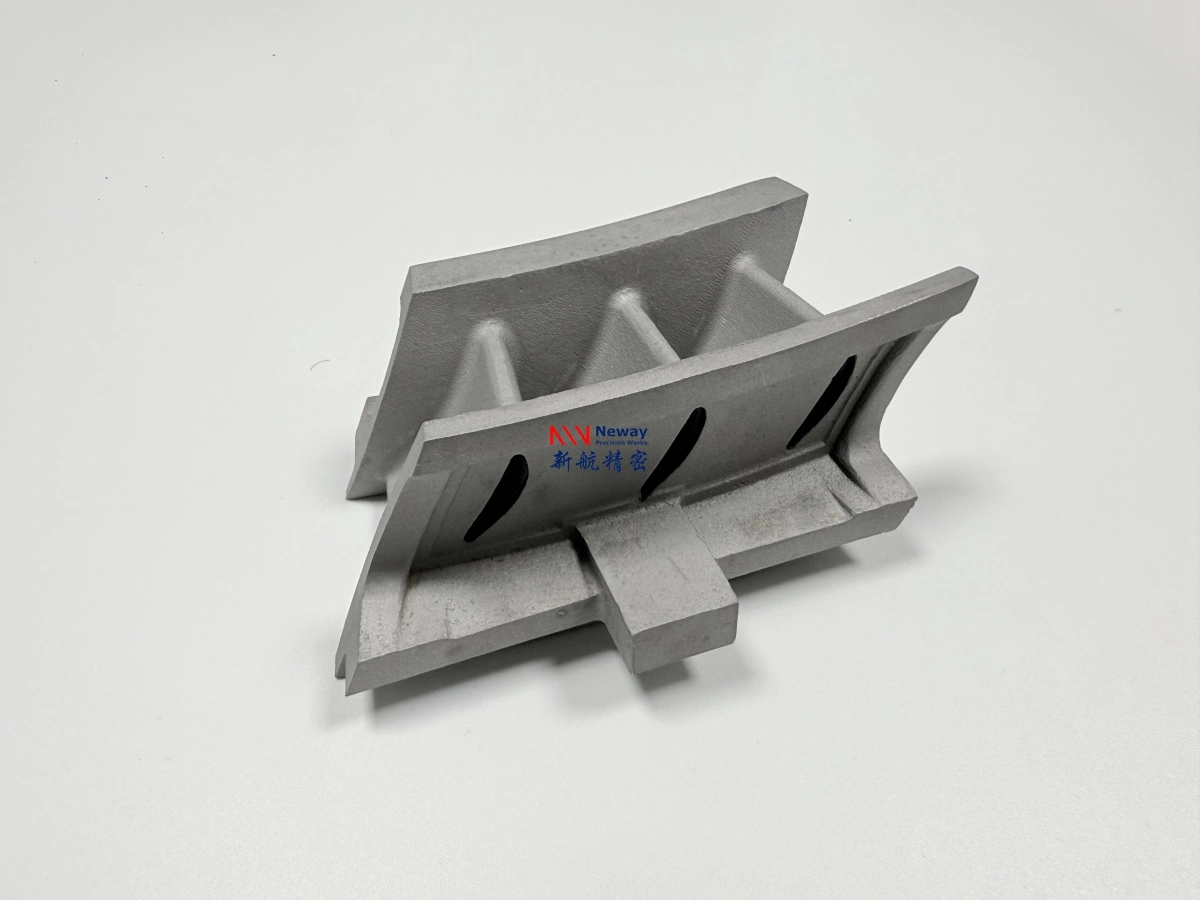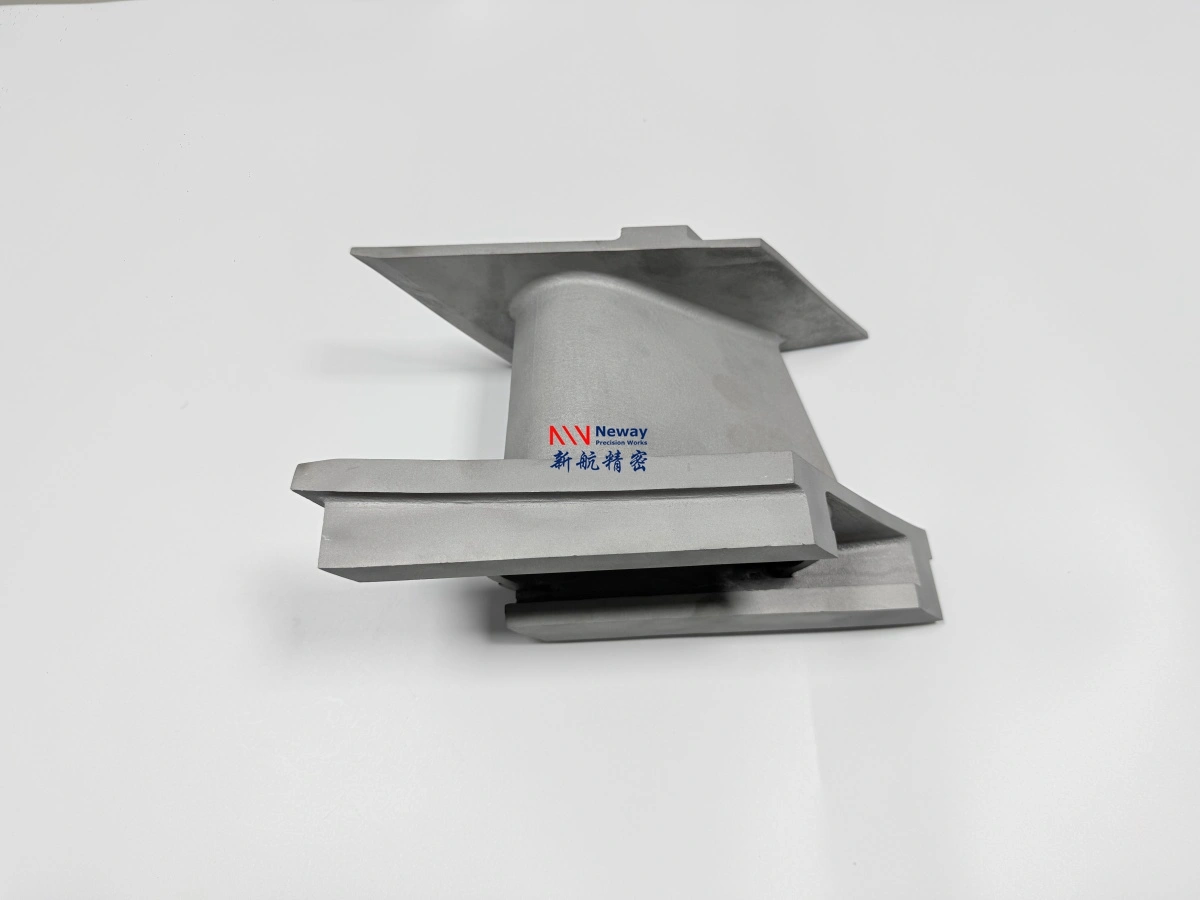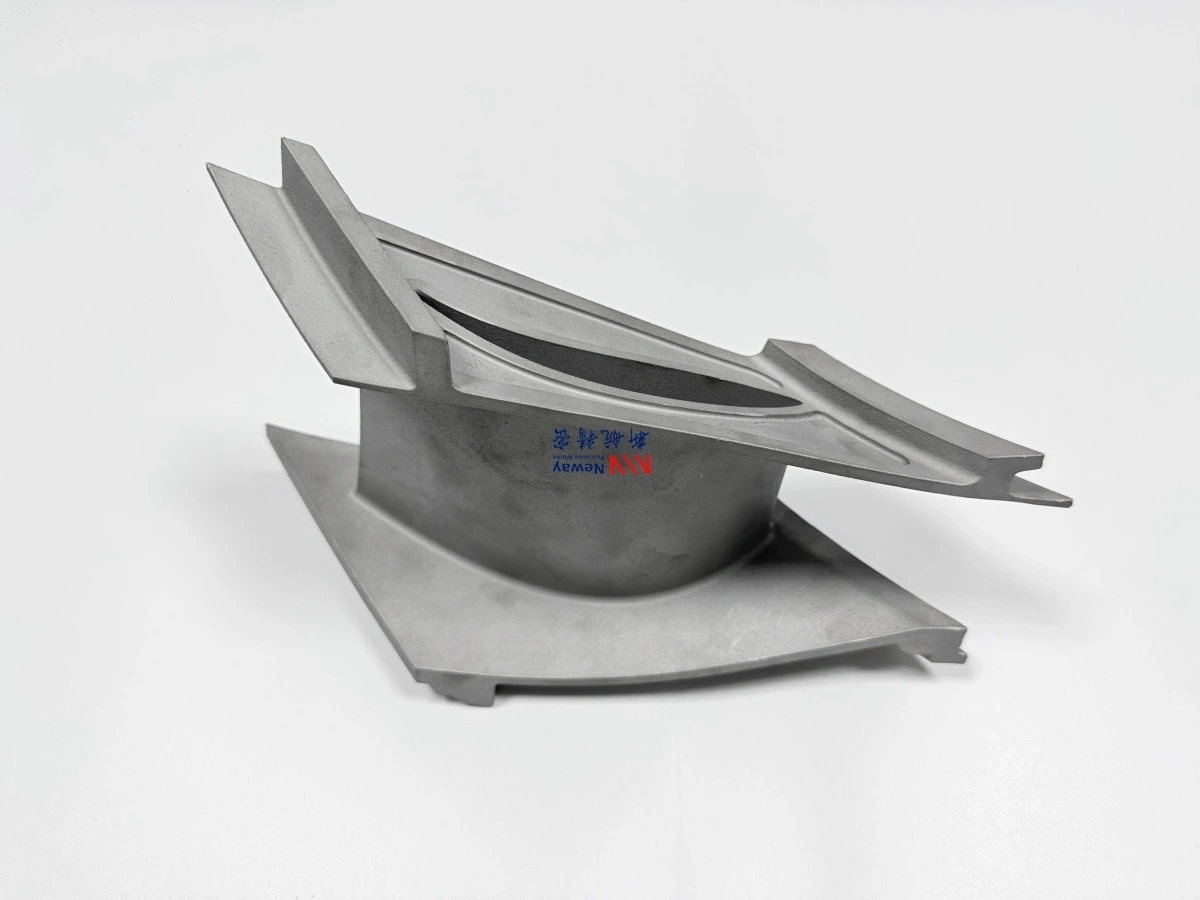
Inconel 625 vs 718 for 3D Printed Corrosion and Heat Parts
Choosing between Inconel 625 3D printing service and Inconel 718 3D printing service is not a brand-name decision. It is an engineering and purchasing decision about corrosion, heat, strength, fatigue, post-processing, and acceptance records. If the RFQ only says "Inconel," the supplier has to guess which risk matters most.
At Neway, we see this comparison when buyers need corrosion-resistant housings, heat-exposed ducts, combustion-related components, energy hardware, test fixtures, or prototype parts that may later move into low-volume production. Both alloys can be useful, but they are not interchangeable in every application. A good quote should show why one alloy was selected and what manufacturing route is included.
This article is written for buyers who need a practical material-selection conversation before asking for price. It explains how we separate corrosion-driven parts from strength-driven parts, how post-processing changes the quote, and what information helps our team recommend a nickel alloy 3D printing route without overpromising performance.
Where Buyers Confuse 625 and 718
Inconel 625 is often considered when corrosion resistance, weldability, and chemical or marine exposure are important. Inconel 718 is often considered when strength, fatigue resistance, and high-temperature mechanical performance are stronger drivers. That simplified distinction is useful, but it is not enough for a quote. Geometry, printing route, heat treatment, finishing, and inspection still decide whether the part is practical.
A buyer may start with 718 because it is familiar from aerospace hardware, even when the real problem is corrosion. Another buyer may request 625 because the part sees aggressive media, but the drawing may include loaded features better suited to a different route or stronger acceptance plan. Neway reviews the part function before treating the alloy name as final.
The safest RFQ states the application concern: corrosion, heat, fatigue, strength, pressure, thermal cycling, or dimensional fit. That lets our engineers review whether the selected alloy, process, and post-processing sequence are consistent with the commercial target.
We also ask whether the buyer is trying to replace a machined part, a casting, a welded assembly, or an earlier printed prototype. The reference route matters. Replacing a casting may require attention to pressure, surface condition, and internal defects. Replacing machined stock may require a tighter discussion about datum faces and final tolerance. Replacing a prototype may focus more on speed, design learning, and which requirements can wait until the next revision.
Corrosion vs Strength Priorities
If corrosion is the main issue, the buyer should describe the exposure in engineering terms without needing to disclose proprietary details. Is the part exposed to chloride, process fluids, oxidation, cleaning chemicals, humid environments, or heat plus corrosion? That information can push the discussion toward Inconel 625, Hastelloy, or another corrosion-focused route.
If strength, fatigue, or loaded high-temperature service is the main issue, Inconel 718 may be more relevant. In that case the RFQ should identify critical load paths, fatigue-sensitive features, heat exposure, and whether the buyer needs heat treatment records or HIP. The alloy selection and the post-processing plan should be reviewed together because a printed 718 part without the right thermal and inspection scope may not satisfy the buyer's real acceptance need.
Buyer priority | Inconel 625 direction | Inconel 718 direction |
|---|---|---|
Corrosion resistance | Often stronger reason to review 625 or related nickel alloys | May be acceptable, but not always the first corrosion-driven choice |
High mechanical strength | Review carefully against load and temperature requirement | Often discussed when strength and fatigue are central |
Heat-exposed duct or housing | Useful when corrosion and oxidation are important | Useful when load and mechanical stability are important |
Post-processing sensitivity | May focus on stress relief, machining, surface condition, and corrosion-related finishing | Often involves heat treatment, aging, HIP review, and machined features |
RFQ risk | Vague media exposure can lead to wrong alloy choice | Vague strength or fatigue requirement can lead to incomplete heat-treatment scope |
Process and Post-Processing Differences
Both alloys may be discussed for powder bed fusion, but process fit is not decided by alloy name alone. Wall thickness, support access, internal channels, build height, machining allowance, and inspection requirement all affect route selection. If the part is large or repair-related, DED may also be reviewed. If the part needs fine features or a tighter finished envelope, powder bed fusion may be the starting point.
Post-processing should be named early. Inconel 718 commonly brings more discussion around heat treatment, aging, and HIP because the buyer often wants mechanical performance, density, or fatigue-related confidence. Inconel 625 may still need stress relief, machining, cleaning, surface finishing, or inspection, especially when corrosion or sealing surfaces matter. Neither alloy should be quoted as a finished component if the scope only includes printing.
CNC and EDM planning also differ by part geometry. If a part has holes, threads, sealing faces, or tight datum relationships, the model should include machining stock and the drawing should identify critical dimensions. Buyers should not assume that a printed feature automatically meets a machined tolerance.
Surface condition should be discussed in the same review. A corrosion-driven part may need attention to roughness, crevice areas, trapped powder, cleaning access, and whether any coating or passivation step is required. A strength-driven part may focus more on heat treatment, HIP, and machining of load-bearing interfaces. These priorities lead to different quotes even when the printed geometry is similar.
Application Examples for RFQ Thinking
For a corrosion-exposed manifold, we would first review media exposure, cleaning process, sealing faces, leak risk, and whether surface condition after printing is acceptable. The alloy discussion may lean toward 625 or another corrosion-resistant nickel alloy, but the quote will still depend on whether CNC machining, pressure-related inspection, or surface finishing is required.
For a heat-exposed bracket with load and fatigue concerns, we would review whether 718 is more appropriate, whether HIP is needed, and which features require final machining. If the buyer asks only for a raw printed bracket, the quote may miss the real acceptance requirement. A better RFQ states the load path, operating temperature range, critical dimensions, and inspection records expected with shipment.
For an R&D part, the buyer may not know the final alloy yet. In that case, a comparison quote can be useful if the scope is controlled. Neway can help compare manufacturing risk, post-processing scope, and inspection needs for 625 and 718, but we avoid promising final performance without the buyer's acceptance criteria and test plan.
For a repeatable production-intent part, we recommend choosing the alloy and route with documentation in mind. The first build should record assumptions that matter later: material grade, heat treatment, support-sensitive faces, machining stock, inspection method, and any approved deviations. This is especially important when purchasing expects the second order to match the first order without reopening the full engineering discussion.
How to Specify Both Alloys in an RFQ
A quote-ready RFQ should include CAD, drawing, target alloy or allowable alternatives, quantity, service environment, critical dimensions, surface finish, post-processing expectation, inspection records, and target delivery. If the buyer wants Neway to compare Inconel 625 and 718, say which requirements are fixed and which can be adjusted. That lets us compare the alloys on manufacturing route, not only material name.
For 625, clarify corrosion exposure, sealing or cleanliness needs, and any surface condition limits. For 718, clarify mechanical load, fatigue concern, heat exposure, and whether heat treatment or HIP records are required. For both alloys, identify machined faces and dimensions that control assembly.
The strongest RFQs also state whether the buyer needs prototype learning, low-volume production, or repeat order stability. Prototype learning may tolerate more discussion after the first build. Repeat orders should define the route, inspection frequency, and acceptable evidence earlier so that the approved process can be repeated.
If the buyer wants both alloys quoted, we recommend keeping the non-material requirements identical. Use the same geometry, same quantity, same inspection level, same finishing expectation, and same delivery target. Otherwise the comparison becomes unclear. A 625 quote with simple finishing and a 718 quote with HIP, machining, and inspection does not show which alloy is better; it only shows that the scopes are different.
Quote Comparison Warning
Do not compare a 625 raw-print quote with a 718 finished-part quote. Do not compare a quote that includes heat treatment, HIP, CNC, inspection, and packaging with a quote that lists only printing. Ask each supplier to state assumptions and exclusions. If the supplier cannot explain why the selected alloy and post-processing route fit the part, the buyer should slow down before releasing the PO.
Neway's role is to make the route visible. We can review whether superalloy 3D printing is the right manufacturing family, whether Inconel 625 or 718 better fits the corrosion-and-heat requirement, and which operations belong in the finished-part quote. That engineering conversation often prevents the most expensive mistake: ordering the right-looking alloy under the wrong commercial scope.
Related FAQs