CuCrZr vs Pure Copper for AM Thermal Management Parts and Inserts
Pure copper and CuCrZr-type alloys are not interchangeable choices for every AM thermal management part. Pure copper is usually requested when conductivity is the dominant reason for the material choice. CuCrZr-type copper alloys may be discussed when strength, wear resistance, thermal exposure, or machined interface stability matters more. A useful RFQ should explain the part function before asking for a material quote.
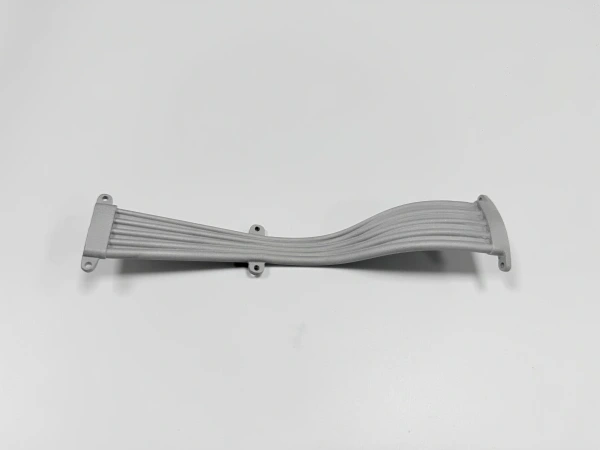
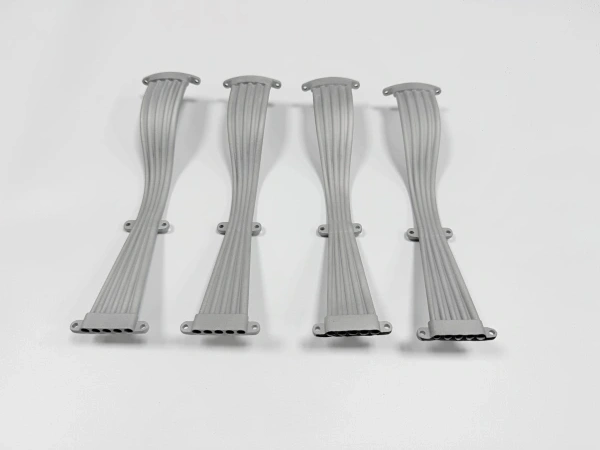
Neway reviews copper 3D printing service requests by separating the conductive path, heat-transfer surface, mechanical load, and final machining requirements. The buyer may be sourcing a heat spreader, thermal insert, cooling block, conductive fixture, busbar-like connector, or energy-system component. Each part uses copper differently, so the material choice should be tied to the surfaces that control function.
This article helps buyers compare pure copper and CuCrZr for AM thermal hardware without relying on unsupported property promises. The goal is to define what must be printed, what must be machined, and what evidence is needed for acceptance.
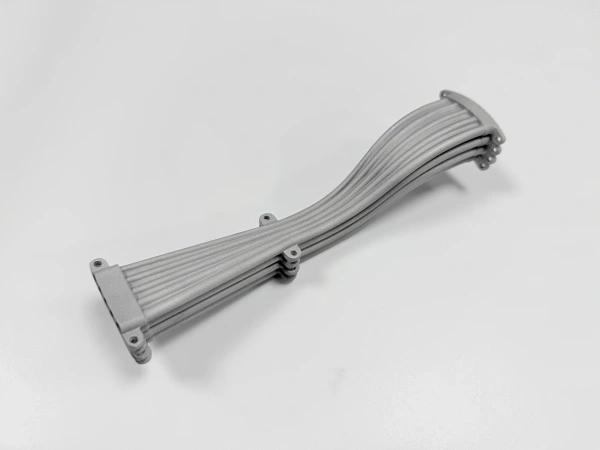
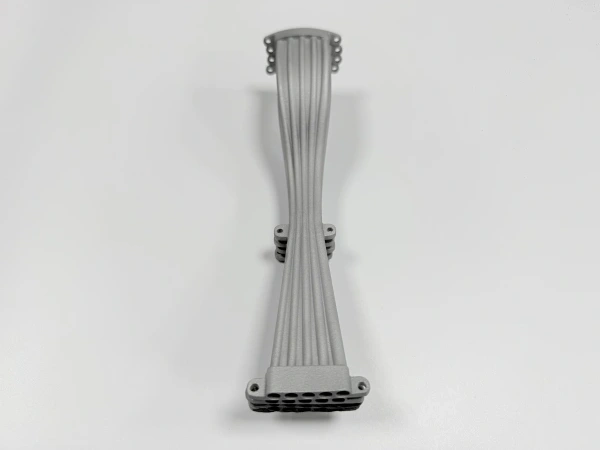
When Pure Copper Is Chosen for Conductivity
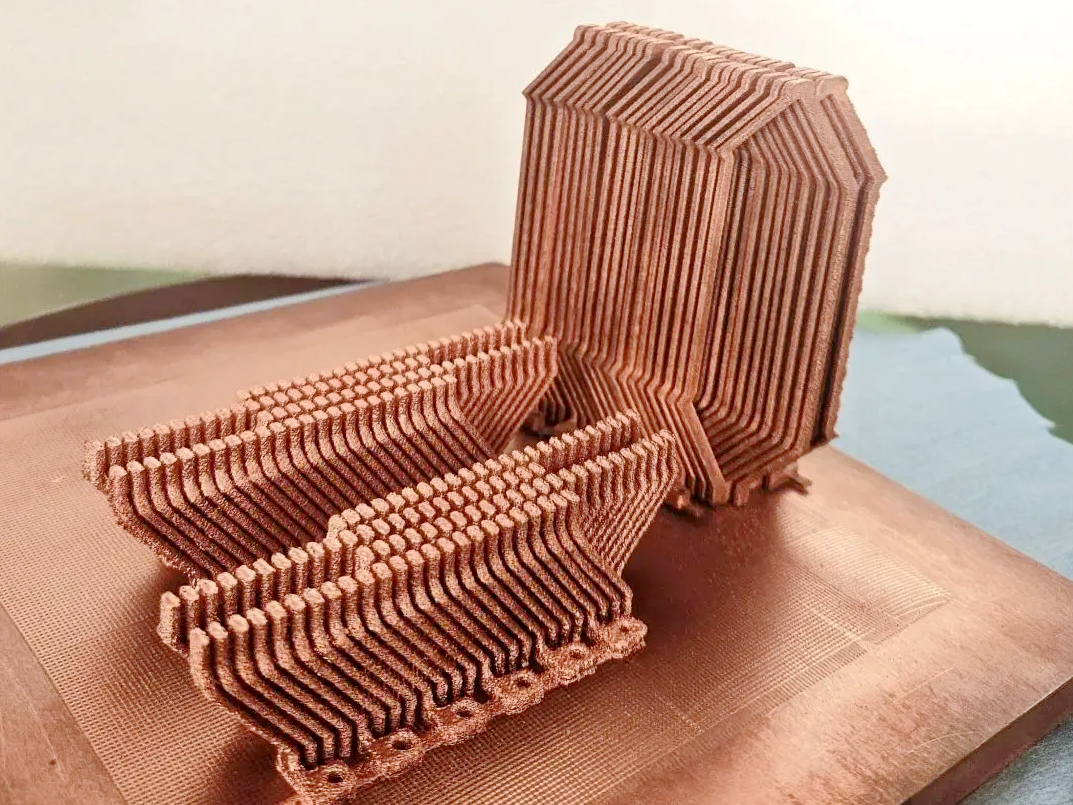
Pure copper is usually selected when electrical or thermal conductivity is the strongest requirement. Examples include heat spreaders, conductive inserts, compact current paths, thermal blocks, and prototype copper channels where low resistance matters. If the part is simple, flat, and easy to machine, a pure copper billet or bar may be more practical than AM. Additive manufacturing should be justified by geometry, integration, or low-volume complexity.
C101 copper may be requested when the buyer wants a pure copper route, but the drawing should still state which surfaces carry current or heat. A conductive body with no defined contact face is not enough information for a finished quote. The quote should include support strategy, contact-face machining, surface condition, and any buyer-defined conductivity evidence if those points control acceptance.
Pure copper also needs careful discussion around surface preparation. A rough printed face, support mark, or oxidized surface may not be acceptable where the part contacts a terminal or thermal plate. If the buyer needs a clean contact pad, that pad should be machined or finished after printing rather than assumed from the raw AM surface.
The buyer should also separate whole-part conductivity from local interface performance. A solid copper body may be selected for conductivity, but the most important loss can occur at a poorly prepared contact face, a loose fastener, or a rough thermal pad. That means the RFQ should include mating hardware and surface condition, not only the alloy name.
Where CuCrZr-Type Alloys May Be More Practical
CuCrZr-type material may be considered when the copper part has more mechanical duty. A thermal insert may also carry clamp load. A cooling component may include threaded connections. A conductive tool may experience wear, sliding contact, or repeated assembly. In those cases, the buyer may accept a conductivity tradeoff if the alloy route improves practicality for the finished part. The decision should be reviewed against the application, not chosen from a material name alone.
Heat exposure can also influence the discussion. If the part operates near elevated temperatures, the buyer should state the environment, contact pressure, cooling conditions, and whether thermal cycling is expected. Neway will not assign a material to a critical thermal application without buyer-provided requirements. CuCrZr may be worth reviewing, but its use should be confirmed with drawing needs and material availability.
Machinability and post-processing should be included in the quote. Threads, bores, sealing faces, and pad surfaces may be more important than the printed body. If a CuCrZr-type part needs heat treatment, machining, or surface finishing, those operations should be listed as separate scope items before purchasing compares price.
Availability can also affect the route. A material may be attractive on paper but less practical if powder availability, validated process history, or post-processing expectations do not fit the order size and schedule. If a buyer is open to more than one copper route, the RFQ should say so. That allows Neway to quote a primary material and a practical alternate without changing the part function.
Machined Interfaces That Affect Both Copper Routes
Both pure copper and CuCrZr AM parts often need machined interfaces. Contact pads, thermal faces, bolt bosses, O-ring lands, threaded ports, bearing-like fits, and datum pads should not be left as printed when they control performance. CNC machining may be required to create flatness, hole position, thread quality, or fixture references after printing.
Support location should be reviewed for both materials. A support mark on a thermal face can lead to extra stock and finishing. A support mark on a non-functional exterior may be acceptable. Internal channels should be checked for powder removal and cleaning access. If the part is used as a copper heat exchanger, inlet and outlet geometry should be discussed together with the material route.
The buyer should also define whether surfaces are measured before or after finishing. A pad machined before coating, polishing, or cleaning may not represent the final contact condition. If the receiving team checks the finished part, the quote should state which operation creates the final surface.
Requirement | Pure copper tendency | CuCrZr-type tendency | Quote risk | Buyer decision |
|---|---|---|---|---|
Maximum conductivity is the main reason for the part | Often the first material to review | May be secondary if strength is less important | Contact surfaces may still need machining | Define current or heat path and evidence need |
Clamp load or threaded assembly | May need more interface protection | Worth reviewing for mechanical practicality | Threads and pads can dominate cost | Mark fasteners, load direction, and finished features |
Compact cooling channel | Useful if conductivity controls function | Useful if strength and thermal exposure matter | Powder removal and leak test can be missed | Show ports, cleaning access, and test scope |
Wear or repeated contact | May not be the practical first choice | May be more suitable subject to review | Surface finish and inspection need definition | State wear mode and contact surface condition |
Early thermal prototype | Can be used to learn geometry and assembly | Can be used to evaluate combined load and heat path | Production records may be over-specified too early | Separate prototype learning from repeat-lot requirements |
Inspection Notes for Thermal and Electrical Functions
Inspection should match the function being purchased. A copper thermal insert may need flatness and surface checks on the thermal contact face. A conductive connector may need dimensional checks on bolt pads and holes. A heat exchanger may need leak or pressure testing defined by the buyer. A material record may be useful, but it does not replace feature inspection where the part touches the assembly.
Powder bed fusion and other copper AM routes should be quoted with realistic downstream operations. A buyer may need printing, heat treatment if required, support removal, machining, cleaning, surface finishing, and final inspection. If the part is for energy and power equipment, temperature, pressure, corrosion, and electrical isolation requirements should be included before route approval.
Neway will avoid promising material-property values not defined by the drawing or specification. If the buyer needs a particular conductivity or mechanical acceptance test, that requirement should be provided in the RFQ so the quote can include the proper evidence.
Inspection timing matters as much as inspection type. A contact face measured before final finishing may not represent the shipped condition. A heat-treatment record does not confirm port geometry. A leak or flow check does not prove that a bolted pad is flat enough. Buyers should connect each acceptance record to the feature it verifies so the quote does not include documents that miss the real risk.
Material Availability Questions to Settle Before RFQ
Before asking for a quote, confirm the required copper grade, whether alternatives are acceptable, the part quantity, prototype or repeat-lot stage, conductivity or heat-transfer priority, load conditions, operating environment, machined surfaces, surface treatment expectations, internal channels, and inspection records. If pure copper and CuCrZr are both acceptable, ask for alternate quote lines rather than forcing one material into every requirement.
The material decision should be practical: pure copper when conductivity is the dominant requirement and the geometry justifies AM; CuCrZr-type material when the part function also demands mechanical stability, wear consideration, or thermal exposure review. The final choice should be tied to the finished interfaces and evidence the buyer needs for acceptance.
Related FAQs