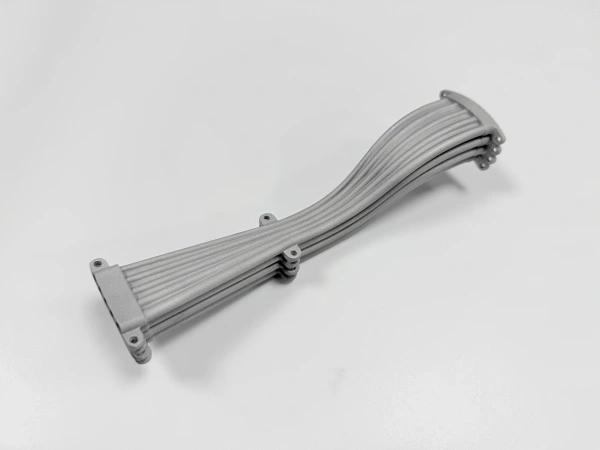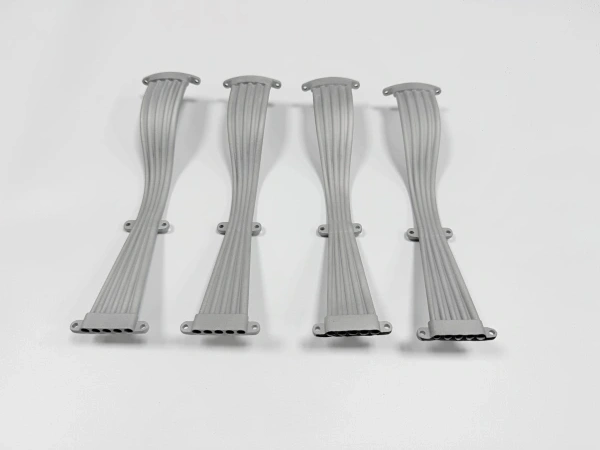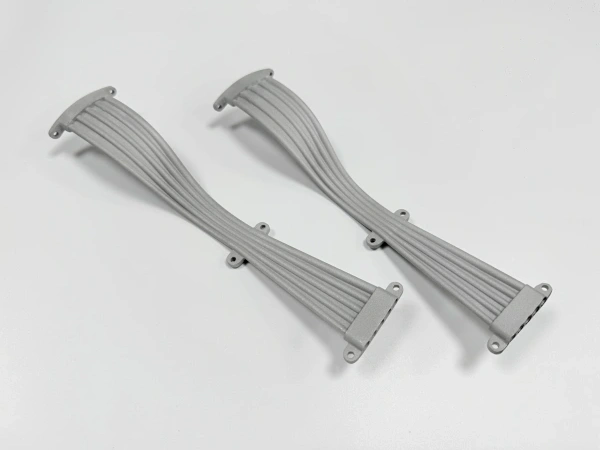
C101 Copper AM Parts When Conductivity Controls the Quote Scope
C101 copper AM parts should be quoted from the conductive function, not only from the printed geometry. When the part must carry current, transfer heat, or provide a stable contact interface, the quote scope changes. Build orientation, support contact, density expectations, contact-face machining, surface condition, and inspection evidence all matter before a buyer can compare copper 3D printing service offers.
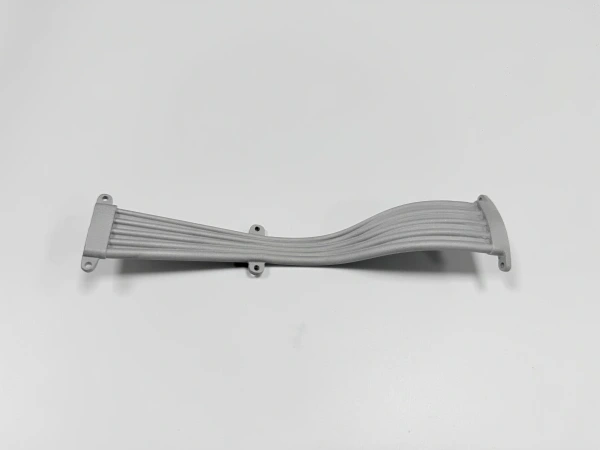
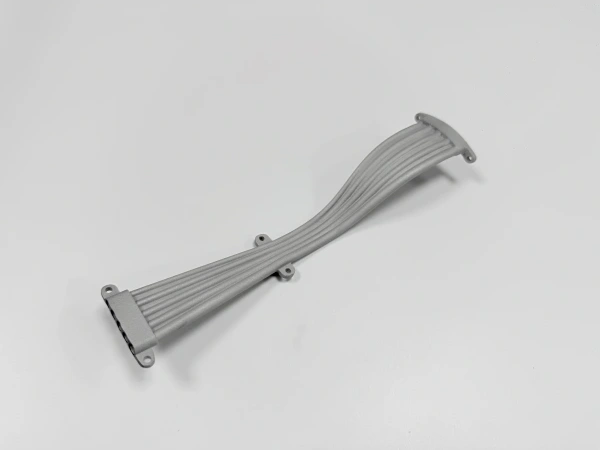
Neway reviews C101 copper requests as functional hardware: busbar-like connectors, conductive inserts, thermal blocks, heat spreaders, cooling elements, induction-related parts, and prototype electrical components. Pure copper is often requested because buyers want high electrical or thermal conductivity, but the RFQ still has to define which surfaces create the current path and which surfaces only provide shape.
This article explains how to specify C101 copper AM parts when conductivity controls the purchase decision. It avoids fabricated conductivity promises and instead focuses on the engineering inputs that make a quote manufacturable and inspectable.
When C101 Copper Is Requested for Conductive AM Parts
C101 copper is usually requested when electrical or thermal conductivity is the reason for choosing copper rather than a stronger alloy. The buyer may need a compact current path, a thermal insert, a heat-transfer feature, or a prototype conductor with geometry that is difficult to machine from stock. The first review question is whether additive manufacturing is needed for the geometry. If the part is a simple flat bar, block, washer, or plate, machining from copper stock may be more practical.
AM becomes more useful when the copper part includes curved internal passages, compact thermal surfaces, integrated mounting features, reduced part count, or short-run geometry that would be slow to fixture conventionally. Even then, the RFQ should state whether conductivity is critical across the whole part or only across selected interfaces. That distinction affects how we review orientation, machining, and inspection.
Material choice should also stay open until the application is understood. Pure copper may be preferred for conductivity, while CuCrZr or another copper alloy may be considered when strength, wear, or thermal stability has more weight. The buyer should not ask suppliers to quote every copper route as interchangeable. Conductivity, mechanical loading, operating temperature, and contact pressure decide which route deserves review.
Contact Faces That Should Not Remain As-Printed
A current-carrying face, bolted pad, brazing face, thermal contact face, or gasket-like interface should rarely be left as printed without explicit acceptance. As-printed copper surfaces can carry texture, support witness marks, local oxidation, or dimensional variation. Those surfaces may be acceptable for non-contact geometry but not for a low-resistance electrical joint or a controlled thermal interface.
CNC machining should be named when the contact face controls function. A machined pad can improve flatness, contact consistency, and bolt seating compared with a raw printed surface. Threaded holes, close-fit bores, terminal pads, busbar interfaces, and mounting datums should also be separated from general printed geometry. The quote should identify which surfaces need machining and which can remain as built.
Support location is especially important. A support mark on a cosmetic side may be acceptable, while a support mark on a contact pad may require extra machining or redesign. If the current path passes through a thin wall, near a hole, or across a built surface, the RFQ should identify that path so orientation and support planning do not damage the functional area.
Contact pressure should be discussed separately from conductivity. A copper face may be conductive, but it still needs enough flatness, clean metal exposure, and bolt seating area to make repeatable contact. If the mating part is rigid, a local high spot can carry too much load. If the mating part is soft, rough printed texture can create inconsistent contact. Buyers should mark the active contact zone rather than asking for the whole part to receive the same finish.
Why Heat Paths Change Build Orientation and Supports
Copper thermal parts are not only judged by shape. A heat path may need a continuous section from a hot interface to a cooling face, an internal channel, or a conductive insert. Build orientation can influence support marks, surface accessibility, trapped powder risk, and the surfaces available for machining. If the heat-transfer face is oriented poorly, the buyer may pay for finishing that could have been avoided with earlier route planning.
Internal features add another layer. A cooling passage or compact heat exchanger-like channel may be attractive for AM, but the RFQ must address powder removal, leak risk, pressure expectations, and reachable sealing surfaces. A channel that cannot be cleaned or verified may create more risk than value. The buyer should show inlet and outlet access clearly and state whether pressure or leak testing is required.
Powder bed fusion may be part of the copper AM discussion, but the finished quote still depends on downstream requirements. A printed copper blank with no contact machining is different from a finished conductive component with machined pads, inspection records, and surface protection.
Feature | Functional concern | Post-process note | Inspection option | Buyer input |
|---|---|---|---|---|
Bolted contact pad | Stable current transfer and clamp contact | Machine pad after thermal steps if final flatness matters | Dimensional check or surface review | Show bolt pattern and contact area |
Thermal interface face | Consistent heat transfer to mating part | Protect from support marks and machine if required | Flatness or drawing-based inspection | Define mating surface and pressure condition |
Internal cooling passage | Powder removal, leak risk, and flow path | Review inlet, outlet, and cleaning access | Leak, pressure, flow, or CT review if specified | Provide channel function and test need |
Threaded copper feature | Soft material and thread engagement | Tap after printing or use insert strategy if needed | Thread gauge or assembly check | Specify fastener size and load role |
Conductivity-critical body | Material route and density expectation affect acceptance | State whether evidence is required for the lot | Buyer-defined conductivity or material record when required | Define required evidence before PO release |
Conductivity Evidence Buyers May Need to Define
Conductivity evidence should be defined by the buyer's application and receiving process. Some prototypes only need a geometry sample for assembly and thermal layout review. Others require a material record, density-related evidence, electrical test requirement, thermal interface inspection, or incoming measurement performed by the buyer. Neway should not invent acceptance values for a project; the RFQ should state what evidence is required.
Surface condition also affects practical conductivity. A machined metal contact face is easier to evaluate than a rough printed face. A coated or oxidized area may not behave like a cleaned contact. If the copper part needs plating, coating, polishing, passivation-like cleaning, or another surface treatment, the contact areas should be protected or finished in the correct order.
The buyer should separate electrical acceptance from dimensional acceptance. A part can meet its shape requirement but still be questionable if the current path is not specified. A part can also have acceptable material evidence but fail assembly because contact pads or bolt faces were not machined. Both sides belong in the same purchase review.
For thermal hardware, the evidence question may be different. The buyer may care more about interface condition, leak-free channels, cleaned passages, or a stable bolted joint than a standalone material number. If the part is a prototype, the first build may be used to confirm channel access and pad machining. If it is a repeat lot, the same contact preparation and inspection logic should be frozen before release.
RFQ Boundaries for Pure Copper Printed Hardware
For a reliable C101 copper AM quote, send the STEP file, 2D drawing, copper grade request, quantity, prototype or production stage, current or heat-transfer path, contact faces, machined pads, holes, threads, sealing surfaces, internal channels, surface finishing expectations, and inspection records. If conductivity is a controlled requirement, state the evidence or test method expected before order placement.
Pure copper printed hardware should not be priced like a decorative model. It is a functional part where the quote is controlled by contact quality, heat flow, machining access, and verification. When those boundaries are clear, Neway can separate the printed blank, the finished conductive interfaces, and the records needed for receiving.
Related FAQs