What Drives the Lead Time for a Burner Liner Build?
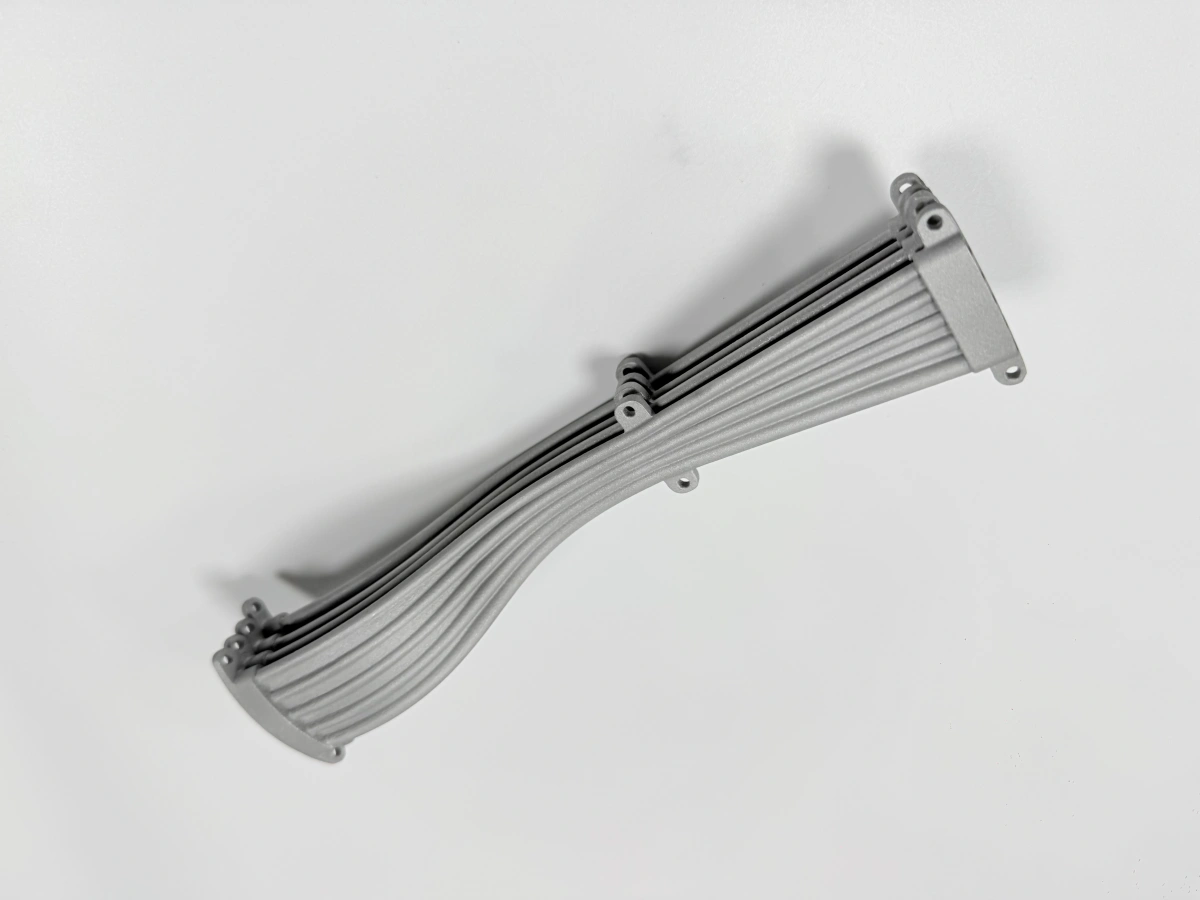
Burner liner lead time for this size is about 15–20 working days, and hot isostatic pressing (HIP) plus two scans take most of it. Printing runs 4–6 days; the rest of the calendar sits in the thermal cycles, the machining and the inspection.
Which Steps Set Burner Liner Lead Time?
Printing sets the first four to six days. A 1.8 mm wall at 40 µm layers builds in about 4 days on the machine, and the setup and powder change add another day.
Solution treatment adds two days. The liner is held at 1,180 °C for 1 h, then cooled in the furnace, and the ramp and cool time around the hold is what fills the calendar.
HIP turnaround is the single longest step. A 3 h hold at 1,180 °C and 100 MPa means a full day for the cycle and a second day for loading, unloading and settle-out to the next operation.
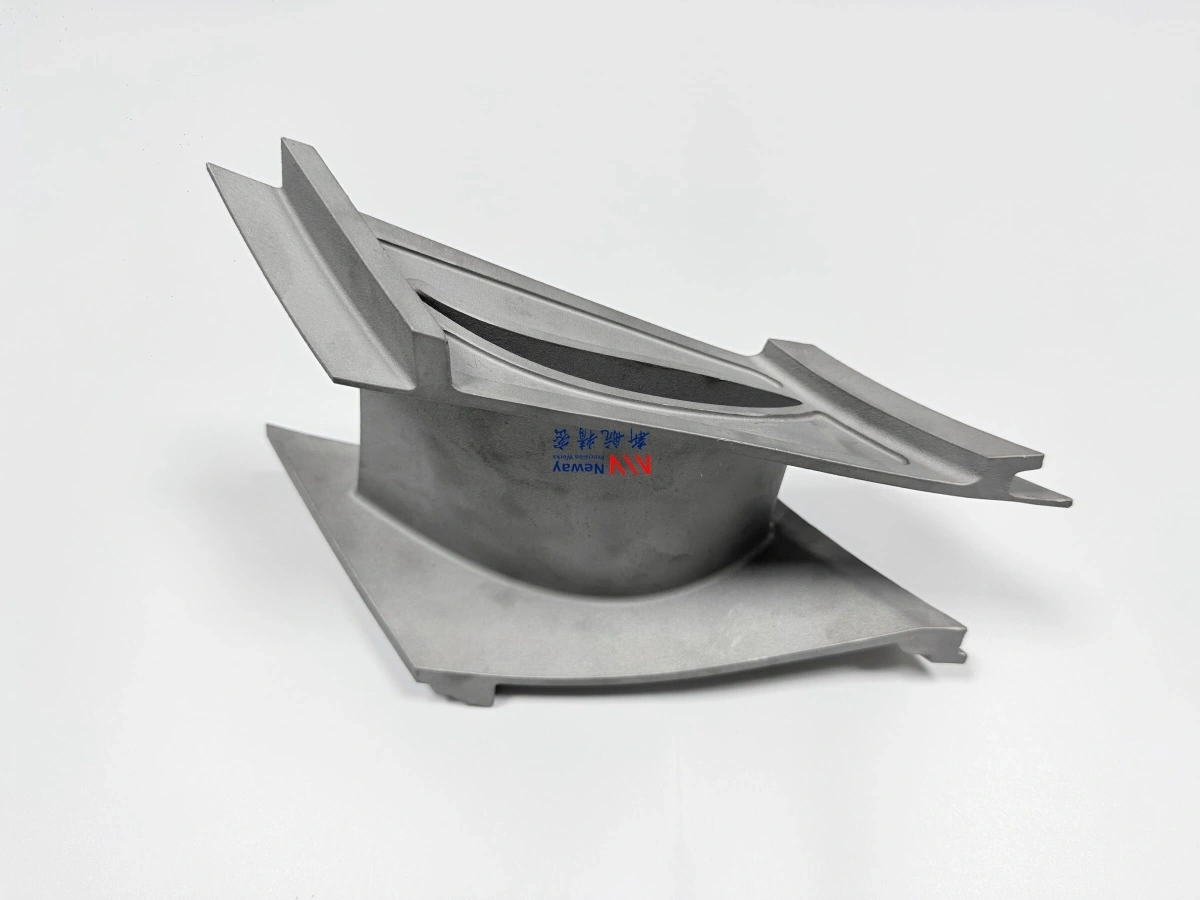
Machining sets three to five days. The window and flange faces are cut in one setup, and the drill and thread operations follow on the same machine, so the day count depends on how many features the drawing calls out. The design rules for thin-wall superalloy parts set the stock that this step has to remove.
Two scans close the route. The pre-HIP scan comes after solution treatment and before the HIP can, and the final scan comes after machining. Each scan is booked as a day, even when the scan itself takes an hour.
What runs in parallel?
Powder and parameter qualification overlap with the print. The powder lot is checked and the parameter set is fixed before the build starts, but the paperwork can run while the machine is cutting the first layers.
Fixture and program work overlap with the thermal route. The machining fixture can be built and the probe program written during HIP, which is why machining does not add its full length to the calendar.
Inspection planning overlaps with machining. The coordinate measuring machine (CMM) program and the scan alignment are prepared from the drawing, so the first article check does not start from zero when the part comes off the machine.
The rule is simple: anything that needs the part waits, and anything that only needs the drawing runs alongside. That overlap is what keeps the burner liner production schedule inside 15–20 working days.
What moves the date out?
A drawing change is the largest single risk. If the window layout or the flange callout moves after printing, the machining program and the inspection plan both restart, and the printed part may no longer be the right one.
A second HIP cycle adds about three working days. If the first cycle does not reach the density target, the part is re-processed, and the distortion in superalloy printing note explains why the pre-HIP baseline has to be repeated with it.
Extra machining passes add a day each. Cutting the flange to a tighter flatness than the stock allows means a second setup, and a second setup means a second scan and a second inspection.
Inspection findings can also move the date. A window position outside the callout sends the part back for rework, and the release then waits for a new scan and a new report.
None of these are hidden; they are the reasons a schedule is confirmed only after the drawing is frozen. The 15–20 working day figure assumes a frozen drawing and a first-pass inspection.
When does the estimate not apply?
The estimate excludes powder procurement, transport and customs. A powder lot that has to be ordered for the grade adds its own lead time, and freight is outside the working-day count by definition.
The estimate is also not an expedite promise. Moving a liner ahead of other work is a scheduling decision, not something the process can compress, because the thermal cycles cannot be shortened.
The comparison is with the alternative route. A cast liner of the same size runs 4–6 weeks because the pattern, the pour and the radiography are all separate steps; burner liner lead time on the printed route is shorter because the shape comes out of the machine in one piece.
This note covers lead time; the wall thickness, distortion and machining questions are separate. Send the drawing with the window layout, the flange callout and the alloy. We will confirm the route and return a schedule against the frozen revision through our superalloy 3D printing route.
.webp)