How does SLS compare to other 3D printing methods like SLA and FDM?
Overview of SLS, SLA, and FDM Technologies
Selective Laser Sintering (SLS), Stereolithography (SLA), and Fused Deposition Modeling (FDM) are among the most widely used additive manufacturing technologies. Although all three processes produce parts layer by layer from digital models, they differ significantly in printing principles, material systems, and performance characteristics.
Industrial 3D Printing Service providers often offer these technologies together because each method serves different stages of product development and manufacturing. SLS belongs to the Powder Bed Fusion category, while SLA operates through Vat Photopolymerization. In contrast, FDM relies on the Material Extrusion process.
These fundamental differences affect the mechanical strength, surface finish, production speed, and industrial usability of the final parts.
SLS Printing Process and Advantages
SLS technology uses a high-powered laser to selectively fuse powdered material into solid structures. Each layer of powder is spread across the build platform, and the laser sinters the particles according to the digital model.
One of the main advantages of SLS is that the surrounding powder supports the part during printing. This eliminates the need for additional support structures and allows engineers to create highly complex geometries, internal channels, and interlocking assemblies in a single build.
Because of its strong mechanical performance, SLS is widely used for functional prototypes and low-volume production parts.
Material Differences Between SLS, SLA, and FDM
Another major difference between these technologies lies in the materials used.
SLS typically uses polymer powders, most commonly Nylon (PA), which provides excellent strength, wear resistance, and chemical stability. This makes SLS suitable for functional components and mechanical assemblies.
FDM printers, on the other hand, use thermoplastic filaments. Materials such as Acrylonitrile Butadiene Styrene (ABS) are widely used for durable prototypes and mechanical housings.
For higher strength and thermal stability, engineers often select materials like Polycarbonate (PC) in extrusion-based printing systems.
In contrast, SLA technology relies on photopolymer materials such as Standard Resins, which offer extremely fine resolution and smooth surfaces but typically have lower mechanical durability than engineering thermoplastics.
For improved functional performance in resin printing, specialized materials such as High-Temperature Resins may be used.
Surface Finish and Post-Processing Considerations
SLA printing generally produces the smoothest surfaces among the three technologies, making it ideal for visual prototypes and detailed models. FDM typically shows visible layer lines due to the extrusion process.
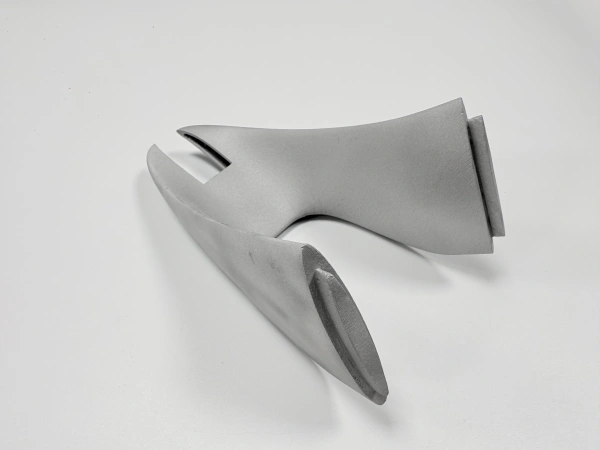
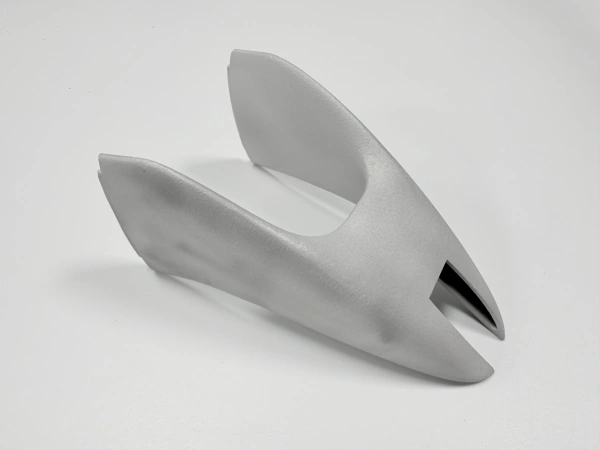
SLS parts often have a slightly textured surface caused by the powder particles used during printing. However, SLS components are usually stronger and more durable than resin-based parts.
To achieve precise tolerances or improve surface quality, parts from any of these processes may undergo finishing operations such as CNC Machining.
In high-temperature or harsh environments, additional treatments like Thermal Barrier Coatings (TBC) may be applied to enhance durability and heat resistance.
Industrial Applications of SLS Printing
Because of its strength and design flexibility, SLS is widely used in multiple industries.
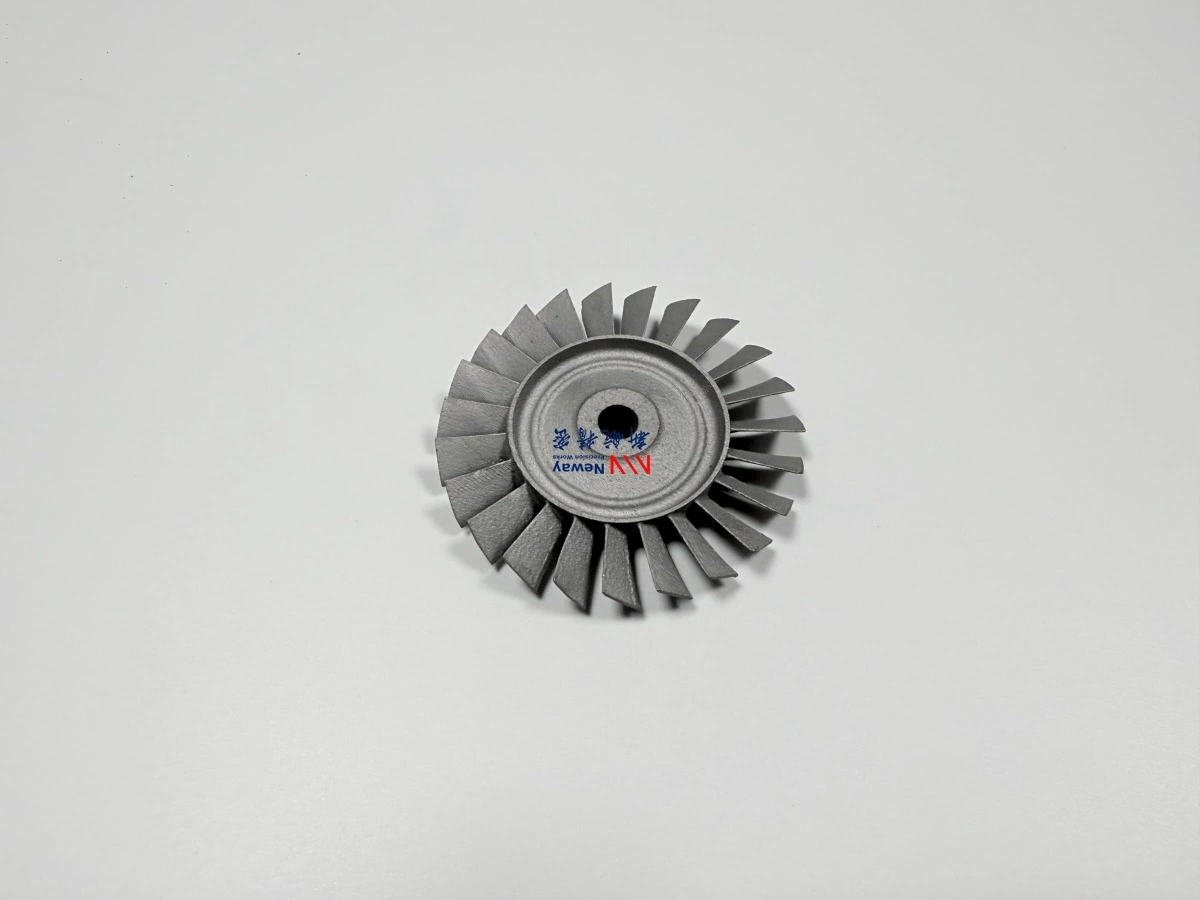
The Aerospace and Aviation sector uses SLS for lightweight brackets, ducting systems, and functional engineering prototypes.
In the Automotive industry, SLS printing is commonly used to manufacture testing components, housings, and functional mechanical assemblies.
Manufacturers involved in Manufacturing and Tooling rely on SLS to produce durable jigs, fixtures, and customized tooling components.
Conclusion
SLS, SLA, and FDM each provide unique advantages within additive manufacturing. SLS stands out for its ability to produce strong, functional parts with complex geometries and no need for support structures. SLA offers superior surface finish and detail resolution, while FDM provides a cost-effective solution for rapid prototyping and durable thermoplastic components.
By understanding the differences between these technologies, engineers can choose the most suitable manufacturing method based on performance requirements, material selection, and production volume.