What post-processing treatments can enhance the mirror finish achieved by EDM?
What post-processing treatments can enhance the mirror finish achieved by EDM?
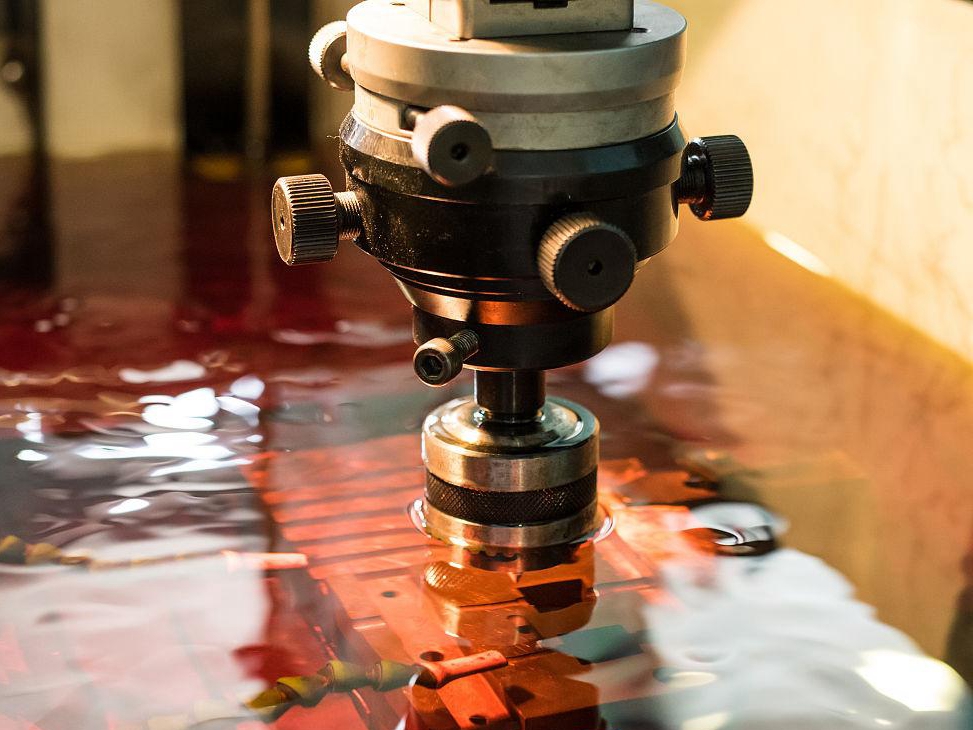
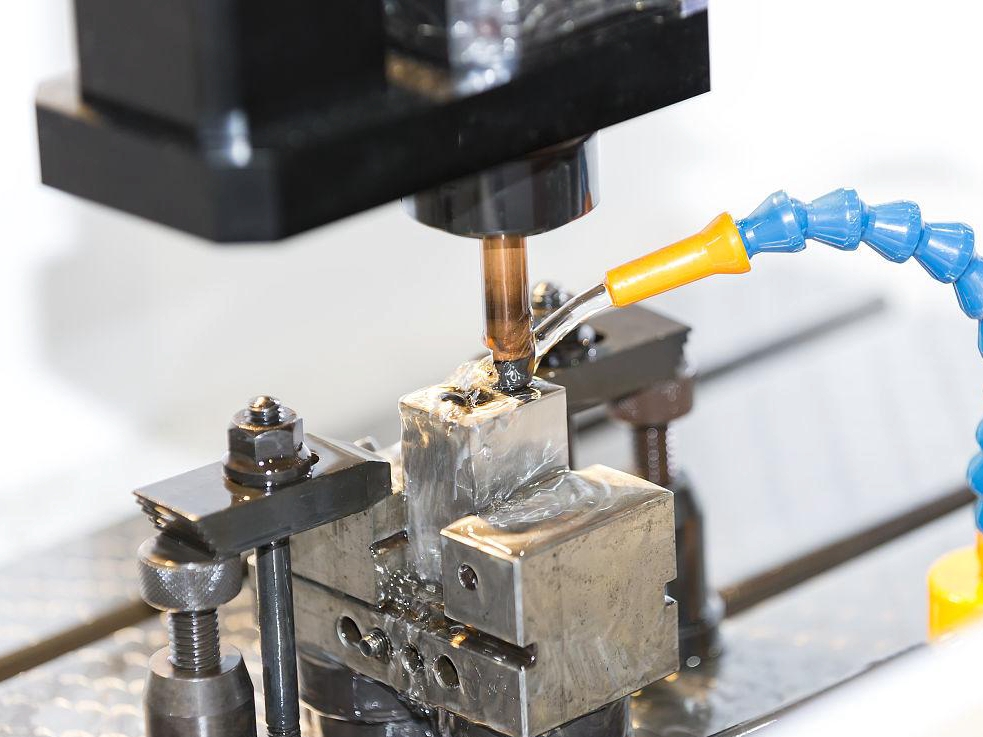
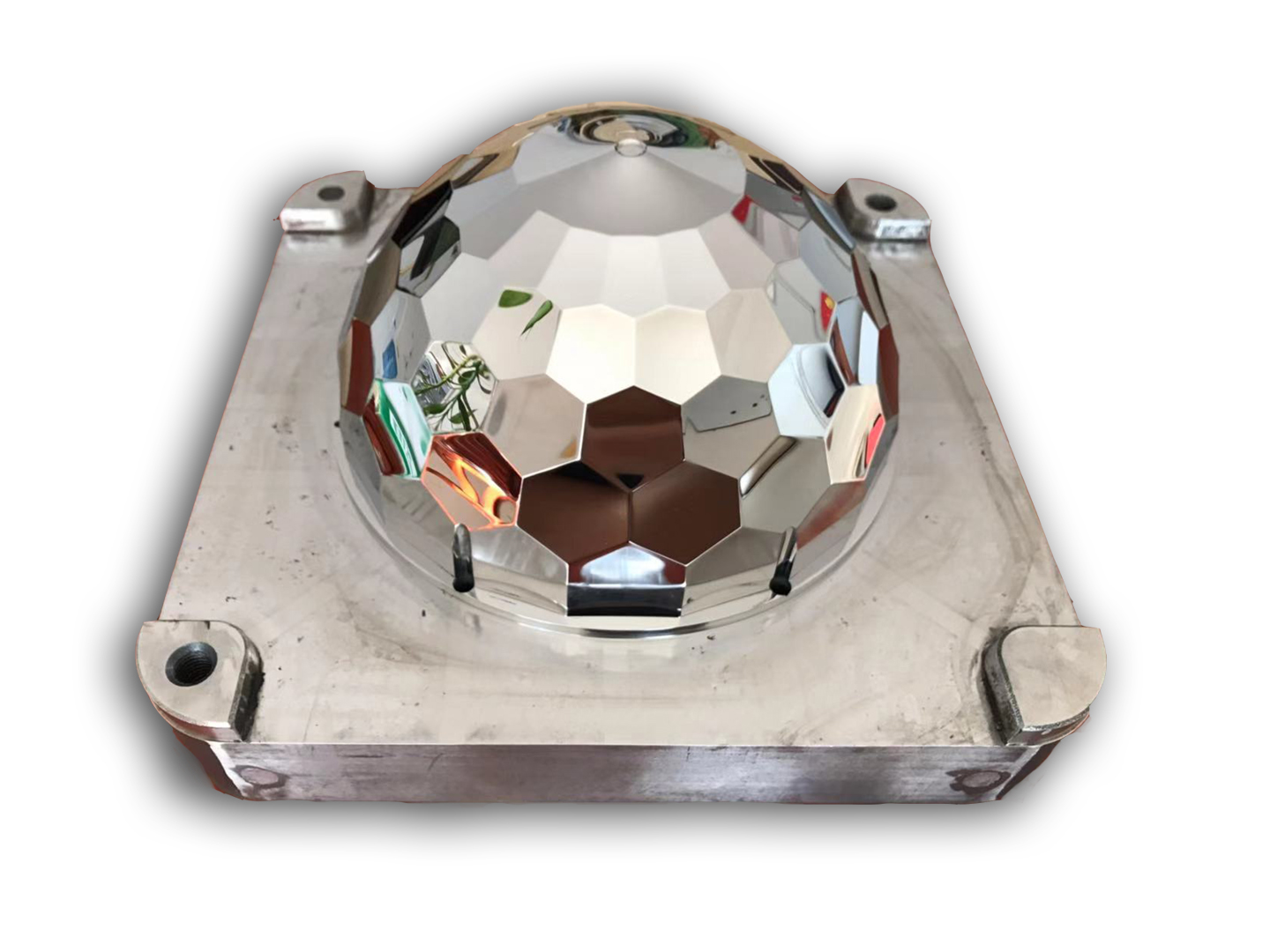
Post-processing can enhance an EDM mirror finish, but the correct treatment depends on whether the goal is lower roughness, removal of recast, improved corrosion or wear resistance, controlled appearance, or dimensional protection. Common options include cleaning, light mechanical polishing, electropolishing, coating, passivation for suitable stainless grades, and carefully sequenced heat treatment. Each operation removes material, changes chemistry, adds thickness, or exposes a new measurement condition. The surface-treatment plan should therefore define the EDM baseline and the final acceptance state before work begins.
Cleaning and Baseline Inspection
Remove dielectric residue, loose particles, wire fragments, electrode debris, and handling contamination using a chemistry compatible with the alloy and internal geometry. Internal channels may need filtered flushing, drying, borescope inspection, flow verification, or residue testing. Measure critical dimensions and roughness before further treatment so any change can be attributed to the correct operation. Record the cleaning chemistry, concentration, temperature, time, rinse, drying, and restriction on residue.
The EDM baseline should also identify the discharge mode, pulse parameter family, electrode or wire condition, dielectric condition, starting surface, and remaining allowance. These records explain whether a later pit or roughness change came from the discharge process, cleaning, or polishing. For a deep cavity, verify the floor and sidewall separately; for a thin edge, measure the edge after unclamping. If flushing is unstable or debris remains, hold the part for review before applying another treatment.
Polishing and Electropolishing
Light mechanical polishing can reduce roughness and blend EDM texture, but pressure and abrasive direction can round edges, remove a datum, or thin a flexible wall. Reserve a controlled allowance and inspect the final profile. Electropolishing can preferentially remove high points from a suitable conductive surface and may improve smoothness, but its result depends on alloy, electrolyte, current density, masking, temperature, time, and geometry. It is not a universal substitute for recast inspection or dimensional measurement.
For a fatigue-sensitive aerospace surface, confirm whether polishing removes the recast and microcrack population rather than only making the face bright. For a medical-development instrument, qualify chemistry, cleaning, sterilization exposure, and surface-contact condition before using electropolishing. The approval evidence should include the final state, not only the treatment name.
Coatings and Heat Treatment
A coating such as PVD or a wear-resistant layer can change friction, corrosion, or reflectance, but it adds thickness and requires surface preparation, masking, adhesion verification, and a coating-thickness limit. A coating cannot hide a dimensional defect or automatically make a cracked recast acceptable. If a heat-treatment step is proposed after EDM, define atmosphere, ramp, dwell, cooling, fixture, and the dimensional inspection condition. Thermal exposure can move datums, change hardness, oxidize a surface, or alter the finish.
Sequence by Application
For a sealing aerospace insert, clean first, inspect the surface and dimensions, then perform leak testing with the actual mating hardware after all finishing. For a tooling cavity, remove or control recast, polish within the cavity allowance, measure corners and roughness, and inspect coating thickness if a coating follows. For a medical-development instrument, define the contact surface, chemistry, sterilization exposure, and project qualification before selecting polishing, electropolishing, or coating. These routes are different because the failure modes are different.
For a tooling cavity component, choose controlled polishing after sinker EDM when the recast and corner allowance are known; verify coating thickness, roughness, and final cavity dimensions. For a medical-development component, choose electropolishing or coating only when the chemistry, cleaning, sterilization, and surface-contact boundary have documented approval; verify the final surface after treatment. Because each treatment changes stock, chemistry, thickness, or surface energy, the record must separate the as-EDM, cleaned, polished, coated, and heat-treated states.
If a pit, crack indication, residue, dimensional shift, or coating blister appears, stop the sequence, identify the last operation, and disposition the part against the drawing instead of applying another cosmetic treatment.
Because polishing, electropolishing, coating, and heat treatment change different parts of the surface system, each operation needs its own hold point. For a tooling cavity component, select polishing only when the recast and corner allowance are known; verify roughness, coating thickness, and final dimensions. For a medical-development component, select electropolishing only after chemistry and sterilization exposure have documented approval; verify the final contact surface and cleaning record.
Final Verification and RFQ Fields
Specify the conductive grade and lot, EDM mode, initial and final states, allowance, target roughness, visual standard, recast or HAZ limit, coating or polishing thickness, geometry and datums, quantity, cleaning, functional environment, and inspection method. Request baseline and final roughness, dimensional reports, surface-integrity evidence, cleaning records, treatment records, and the disposition plan for a failed criterion. If the specification is unknown, run a representative trial and record the measured result before approving production.
Before release, compare the as-EDM, cleaned, polished, coated, and heat-treated records in sequence. Verify that the final treatment did not move a datum, thin an edge, trap residue, or reduce coating adhesion below the specified limit. If a later operation changes the measured condition, retain the earlier result and identify the operation responsible for the difference. The finished part is acceptable only against the complete drawing and functional test package.
For RFQ preparation, request the electrical discharge machining edm after the buyer defines the material state, quantity, and required verification method.
For final release, compare the surface-treatment service with the inspection record, service condition, and disposition of any unresolved risk.