What are the advantages of using EDM on 3D printed parts made from hard materials?
What are the advantages of using EDM on 3D printed parts made from hard materials?
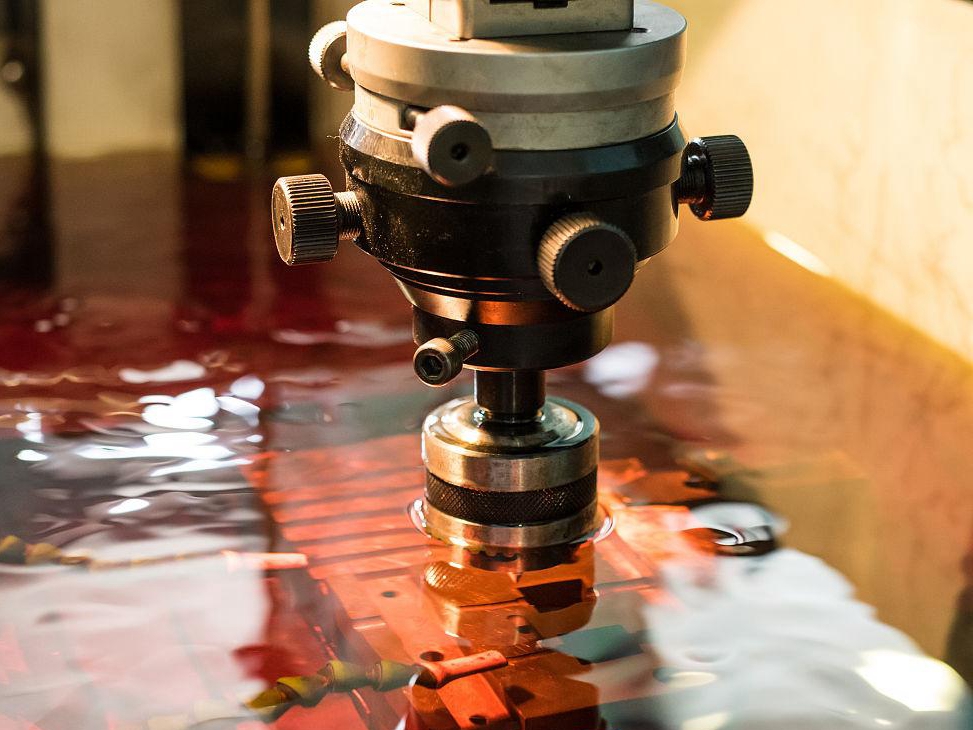
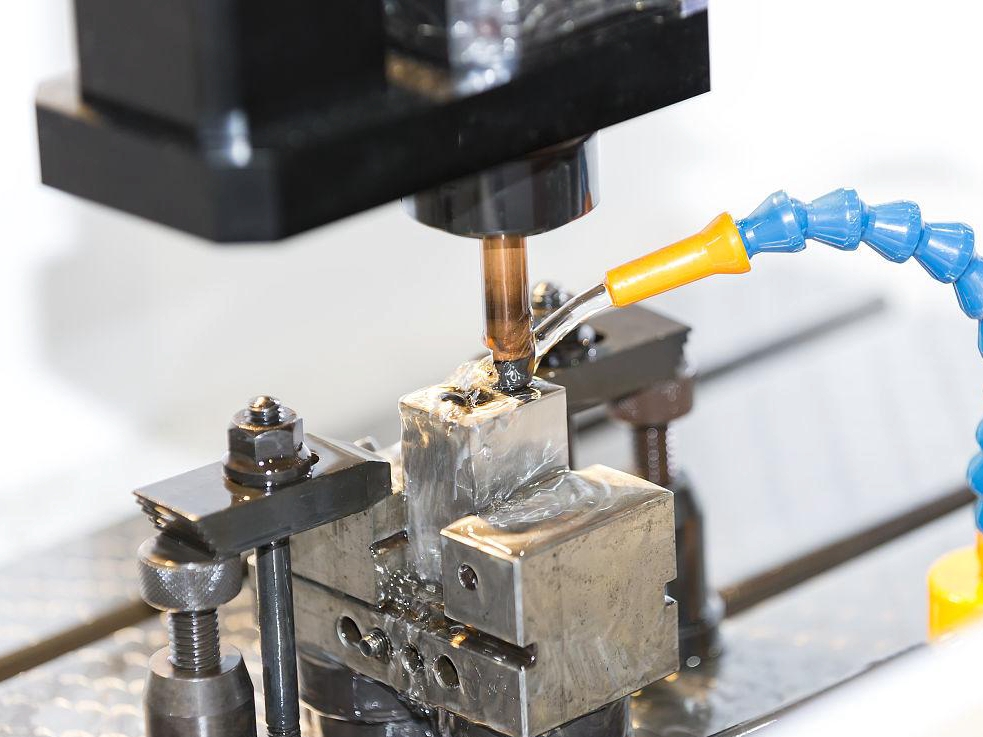
The main advantage of EDM on hard 3D-printed materials is controlled material removal without continuous cutter contact. A conductive printed tool steel, nickel alloy, titanium alloy, or stainless grade can be difficult to cut because hardness, tool wear, thin walls, or complex access create force and deflection risks. EDM uses electrical discharges across a gap, so it can finish an accessible contour or blind cavity with little mechanical rubbing. That does not mean zero thermal or dimensional risk. Discharge energy, flushing, recast, printed porosity, allowance, heat treatment, and inspection determine whether the route is suitable for the actual feature. The EDM service review should identify the risk being controlled.
Low-Force Feature Control
Cutting a thin printed rib or hard cavity can produce cutter deflection, chatter, burrs, tool breakage, or fixture distortion. Wire EDM and sinker EDM remove material through a controlled gap, which can reduce one source of mechanical load. The printed part can still move because residual stress is released, and the discharge creates a localized thermal cycle. Establish datums, support the part without overconstraint, and measure after unclamping. Low force is an advantage only when the remaining thermal and material-state risks are managed.
Wire EDM is useful for a through-profile, slot, or aperture with a start route. Sinker EDM is useful for a blind feature reached by a shaped electrode. Hardness alone does not select the mode. Electrode approach, wire entry, wall stiffness, flushing, corner radius, pass strategy, and inspection access must be reviewed together. If the feature is nonconductive or inaccessible, EDM is not the correct answer even if the material is hard.
Thermal and Surface Boundaries
Current, voltage, pulse-on time, pulse-off time, duty cycle, polarity, wire speed, electrode material, and dielectric condition control the discharge. Higher energy may remove stock faster but can increase crater size, recast, HAZ, pitting, and microcrack risk. Lower-energy finishing may improve texture when the gap is stable and debris is removed. A bright surface does not establish fatigue life, sealing performance, or freedom from a subsurface defect. Define the surface-integrity evidence required for the application.
Printed hard materials may contain lack of fusion, gas porosity, anisotropy, support marks, and residual stress. Heat treatment can change hardness and dimensions before or after EDM. If a heat-treatment condition follows the EDM pass, repeat datum and dimensional inspection. If polishing or coating follows, include stock removal or added thickness in the final tolerance chain. The advantage of EDM is a controlled route, not a license to ignore the state of the printed blank.
For a hardened tool-steel component, choose sinker EDM when the shaped electrode reaches the cavity and cutting force or tool wear controls the risk; verify electrode wear, corner transfer, roughness, and final dimensions. For a thin nickel-alloy aerospace bracket, choose wire EDM when the contour has an entry route and a cutter could deflect the wall; verify profile, recast or HAZ, and the unclamped condition. These scenarios show why low force is useful but does not remove thermal or printed-state controls.
Defect and Thermal Control
Hardness is only one part of the process window. Lack of fusion, gas porosity, residual stress, and anisotropy can expose a defect during discharge or move a thin feature after stock removal. Higher pulse energy may increase removal rate but can also increase crater size, recast, HAZ, and microcrack risk. Lower-energy finishing can reduce texture only when the gap is stable, flushing is adequate, and the remaining allowance is measured. A heat-treatment or thermal condition before or after EDM must be recorded because it changes hardness, stress, dimensions, or the surface state used for acceptance.
Hard-Material Scenarios
For a hardened tooling insert, choose sinker EDM when a shaped electrode reaches the blind cavity and cutter wear would control the result; verify electrode wear, corner radius, roughness, and final cavity dimensions. For a nickel-alloy aerospace bracket, choose wire EDM when the contour is accessible and a cutting tool could deflect the thin wall; verify profile, recast or HAZ, and fatigue-sensitive condition after unclamping. For a titanium medical-development feature, choose EDM only after the alloy, cleaning, sterilization exposure, and development approval boundary are defined.
Provide grade and lot, printed density or defect evidence, build orientation, heat-treatment state, access, wall thickness, allowance, quantity, tolerance, surface-integrity limit, functional environment, inspection method, and acceptance authority. Request a representative trial linked to the actual material lot and geometry. A coupon can compare parameter families, but it does not qualify another thickness or cavity depth automatically. EDM is valuable on hard printed material when its low-force benefit, thermal controls, and final evidence are all stated. If a defect indication remains after cleaning or polishing, stop and disposition the part instead of assuming another finishing pass will make the feature acceptable.
If this question concerns a failure mechanism, compare the electrical discharge machining edm after the suspected cause and test condition are identified.
For a controlled production decision, request the CNC machining service when the final state and deviation path need traceable evidence.