Turbine Component 3D Printing: Inconel, Hastelloy or Rene?
A turbine component 3D printing service RFQ should begin by naming the turbine hardware category, not only the alloy. A static hot-gas duct, a shroud segment, a sensor mount, a burner test article, and a repair or near-net blank do not need the same material route. Inconel, Hastelloy, and Rene alloys can all appear in turbine discussions, but the quote changes when load, temperature exposure, oxidation, fatigue concern, coating zones, and inspection records change.
Neway reviews turbine and hot-section RFQs by matching the component family to the manufacturing route. Powder bed fusion may fit compact parts with internal features or thin walls, while directed energy deposition may be discussed for larger near-net shapes, repair additions, or stock build-up before final machining. The buyer should state whether the part is a development article, test fixture, repair blank, or production-intent component.
This article helps aerospace and energy teams compare material and process routes before requesting a quote from aerospace and aviation 3D printing suppliers. It does not claim that every turbine part should be printed; it explains which questions decide whether AM is worth quoting.
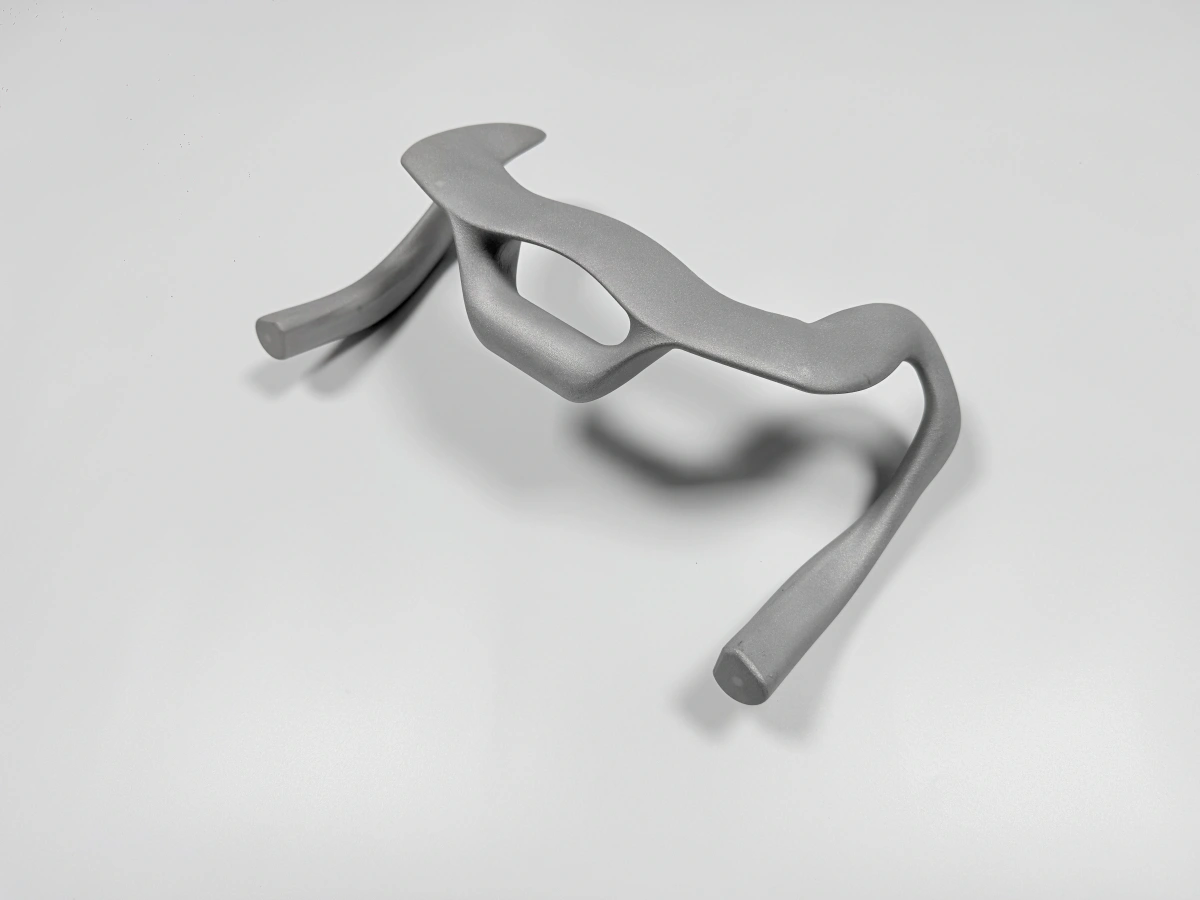
Classify the Turbine Part Before Choosing Inconel, Hastelloy, or Rene
The word turbine covers too much ground for a single material answer. Static brackets and sensor mounts may be driven by strength, thermal exposure, and interface accuracy. Ducts and shrouds may be driven by hot-gas surface condition and distortion. Burner or combustor test articles may be driven by design iteration and thermal cycling. Repair blanks may be driven by added material volume and final machining access.
Inconel 718 3D printing is often reviewed for structural superalloy hardware where strength and heat exposure both matter. Hastelloy X 3D printing is commonly discussed for hot-gas and combustion-facing hardware where oxidation and thermal cycling are central concerns. Rene-family materials can be relevant for higher-temperature turbine concepts, but they require a cautious process review because printability, cracking risk, and acceptance expectations may be more restrictive.
The RFQ should avoid asking for "turbine material" without a duty description. Load path, hot-side exposure, pressure, gas composition if known, thermal cycling, assembly interface, and whether the part rotates or remains static all affect the material decision.
Turbine Component Route Selector for AM RFQs
Turbine component category | Material route to review | AM process fit | Quote-critical evidence |
|---|---|---|---|
Static hot-gas duct or guide | Hastelloy X, selected Inconel alloys, other superalloys after review | PBF for compact ducts; DED for larger near-net sections | Hot-side surface state, internal cleaning, borescope or CT need |
Structural bracket near turbine hardware | Inconel 718 or other strength-focused superalloy | PBF when weight reduction or integrated features matter | Machined datums, heat treatment record, selected CMM report |
Combustion or burner test article | Hastelloy X, Inconel, or Rene route depending on exposure | PBF for iteration and internal features | Thermal cycling purpose, surface cleanup, coating zones |
Repair or added-stock blank | Compatible superalloy selected by substrate and function | DED, LMD, WAAM, or EBAM may be reviewed | Build-up boundary, final machining stock, inspection of transition zone |
High-temperature concept part | Rene or other high-temperature superalloy subject to engineering review | PBF or EBM feasibility depends on cracking and geometry risk | Material availability, test plan, metallographic or defect evidence |
Powder Bed Fusion and DED Solve Different Turbine Problems
Powder bed fusion is usually the first route to review for compact turbine parts with thin walls, small passages, integrated bosses, or weight-saving structures. It can support detailed geometry, but the buyer must still plan support removal, powder cleaning, heat treatment, HIP if required, and local machining on interfaces.
Directed energy deposition is a different conversation. It can be relevant for larger near-net turbine blanks, local material build-up, repair-oriented geometry, or components that will be heavily machined after deposition. DED does not remove the need for final machining; it often makes machining stock and inspection boundaries more important.
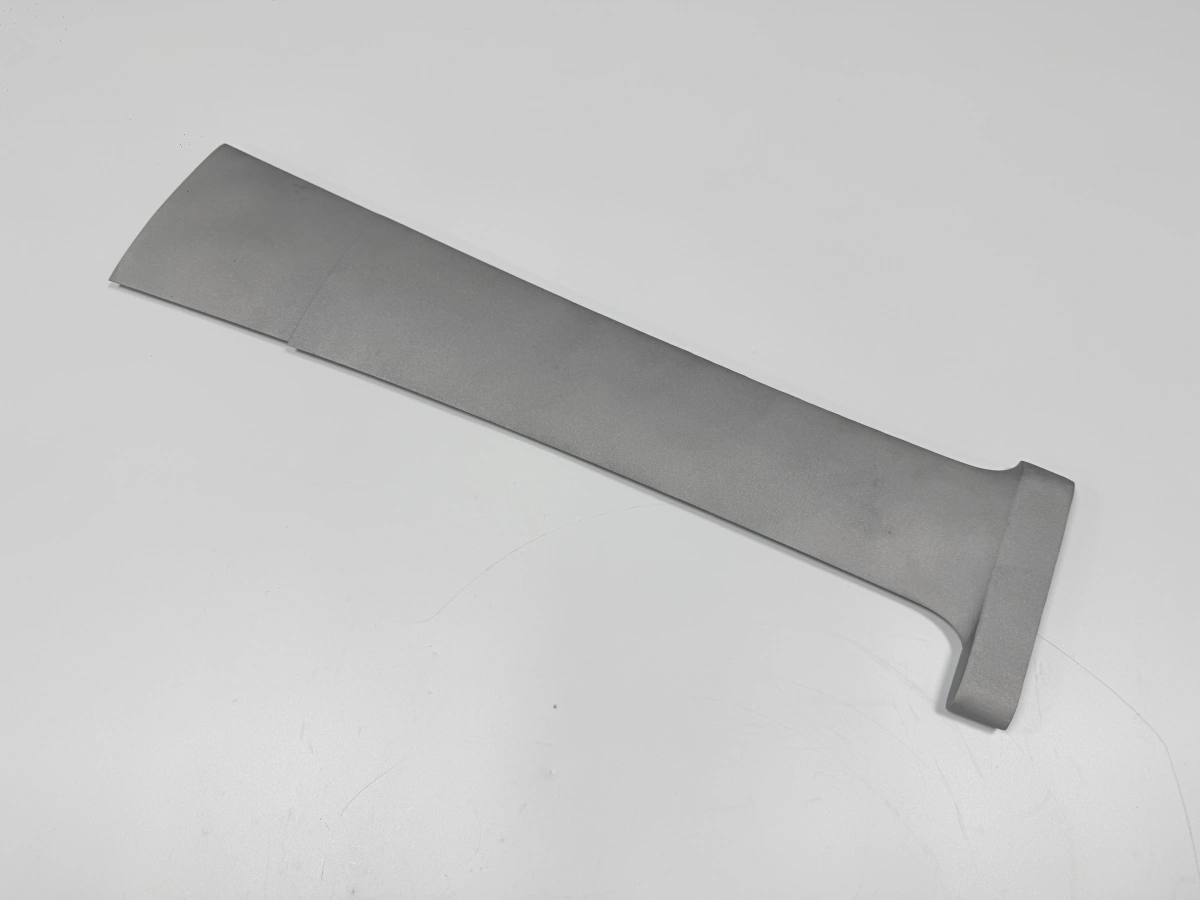
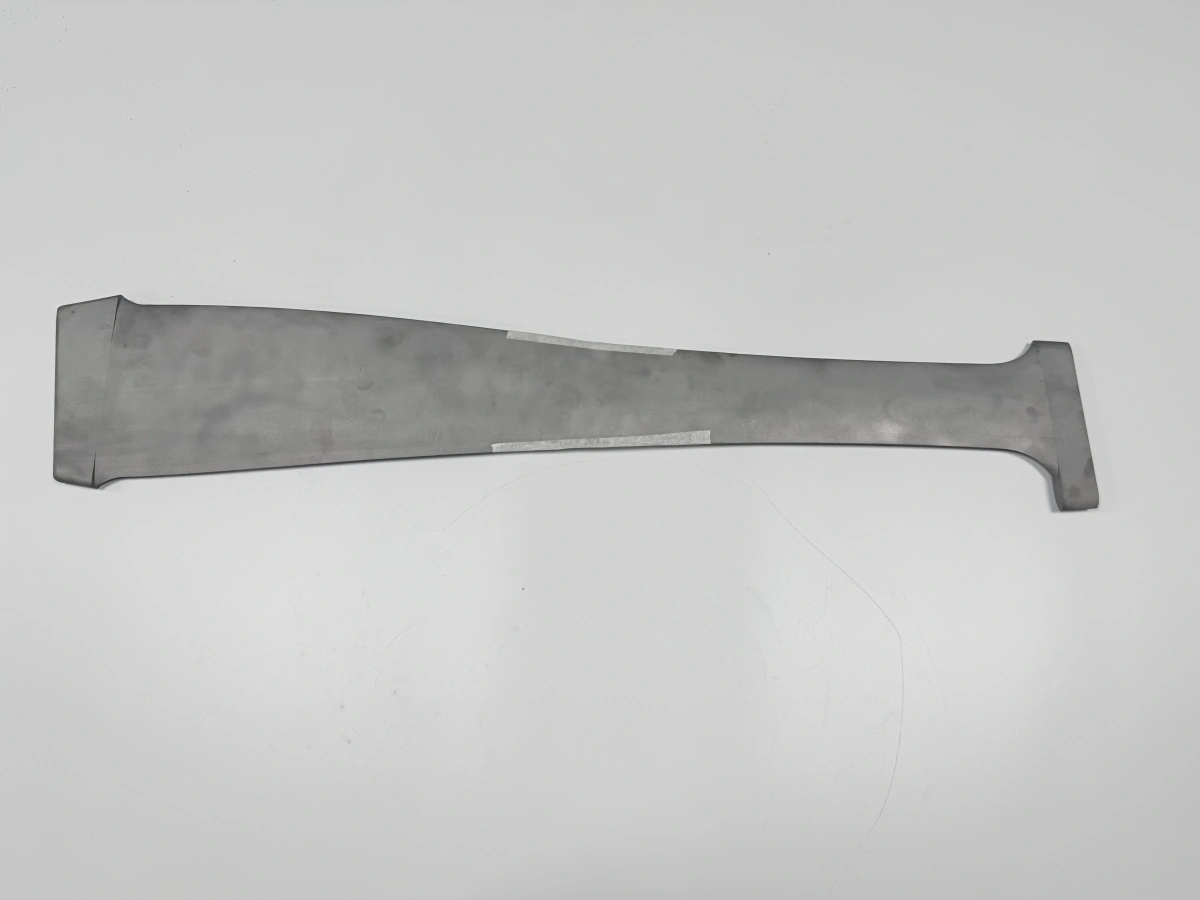
Process selection should be tied to geometry scale and final acceptance. A small sensor boss with internal passages may fit PBF. A large casing segment or repair build-up zone may fit DED discussion. A blade-like development coupon may require a narrow review of orientation, surface, heat treatment, and test objective before any route is priced.
Repair-oriented turbine RFQs need an additional boundary: what material is being added, where the original substrate ends, how much stock remains for final machining, and which transition zone must be inspected. A DED quote for added material is not the same as a finished repaired component quote. If the buyer wants Neway to price only the near-net build-up, the drawing should separate deposition envelope from final machined geometry. If the buyer wants a finished part, the RFQ should include post-deposition machining, heat treatment, and inspection expectations.
TBC and Hot-Side Surface Preparation Are Part-Specific
Thermal barrier coatings should be discussed when a hot-gas face needs thermal insulation or oxidation-facing protection. The buyer should define coating zones, masked areas, coating-free assembly faces, and surface condition before coating. A printed support scar on a coated face may matter; the same mark on a non-functional outside surface may not.
TBC is not a substitute for material selection. A coating-ready Inconel or Hastelloy part still needs the correct base alloy, heat treatment plan, and surface preparation. If the part has internal passages, the coating requirement should state whether only external hot faces are coated or whether any internal surface condition matters.
For turbine components, surface preparation can control both cost and schedule. Removing support marks from a curved hot-side face, preserving edge geometry, and keeping mask boundaries clear require more planning than a generic blast finish. RFQs should include a marked drawing or screenshots showing coating and non-coating zones.
HIP, Heat Treatment, and CNC Depend on Failure Mode
HIP may be required when fatigue, pressure, or internal defect sensitivity matters. It should not be copied automatically into every turbine prototype quote, but it should be priced clearly when the part is test-critical or production-intent. Heat treatment is usually discussed for residual stress, material condition, and dimensional stability after AM.
CNC machining remains necessary for many turbine interfaces. Bolt patterns, seal lands, datums, bearing-like fits, sensor ports, and flange faces should not be assumed acceptable as printed. The CAD model should include machining stock where precision finishing is expected, especially if heat treatment or HIP may move the part before final inspection.
Rene-family or crack-sensitive superalloy discussions may also require more conservative test builds, coupons, metallographic review, or process feasibility checks. Buyers should expect the quote to depend on material availability and engineering review rather than treating every superalloy as interchangeable powder.
Inspection Evidence for Turbine and Hot-Section Printed Parts
Inspection should match the feature that can cause rejection. CMM is useful for external datums, mounting holes, and machined faces. It does not prove the condition of a hidden flow path. CT, borescope inspection, sectioned samples, metallographic review, or surface defect grading may be discussed when internal geometry or microstructure-related acceptance is important.
For turbine RFQs, buyers should define which records are required before purchase order release. Material certificate, heat treatment record, HIP record, dimensional report, CT or X-ray report, surface roughness data, coating documentation, and first-article inspection are different commercial items. Asking for all of them without a part-specific reason may slow a prototype unnecessarily.
If the part is a development article, the inspection package can focus on learning: key dimensions, internal passage confirmation, or coating-preparation surfaces. If the part is production-intent, the drawing should identify critical-to-function dimensions and acceptance records more formally.
Surface inspection should also follow the turbine feature. A support mark on a hidden non-flow exterior may only need cleanup. A mark on a gas path edge, coating face, or seal-adjacent surface may affect acceptance. For dark or rough superalloy surfaces, visual inspection alone may be too subjective; the RFQ can request defined surface zones, roughness measurement on machined lands, or a documented defect review when that evidence is needed for the buyer's test plan.
RFQ Inputs for a Comparable Turbine Component 3D Printing Quote
For a turbine component 3D printing service quote, send STEP files, 2D drawings, material preference or acceptable alternatives, part category, static or rotating relevance, temperature and thermal cycling information if known, hot-gas or pressure exposure, quantity, prototype or repeat stage, critical dimensions, machined surfaces, coating or TBC zones, heat treatment and HIP expectations, inspection records, and target delivery needs.
If the manufacturing route is open, ask for separate review of PBF and DED only when both routes make sense for the geometry. A compact PBF part and a large DED near-net blank are not equivalent quotes. The useful comparison is the route that reaches a manufacturable, inspectable turbine component with the fewest unresolved acceptance risks. Mark any no-support hot faces before supplier review.
Related FAQs
Which 3D printing technology is best for high-performance superalloy parts?
Is Inconel 713C suitable for laser powder bed fusion or only EBM?
What post-processing is required for aerospace-grade surface on superalloy components?
How does HIP enhance fatigue resistance in aerospace components?
How do TBCs extend the life of engine components and turbines?