
How to Source Superalloy 3D Printed Parts for Hot-Section RFQs
When a buyer asks Neway for a superalloy 3D printing service, we do not treat the request as a simple material quotation. A hot-section part can fail commercially before it fails mechanically if the RFQ does not define the alloy, process route, post-processing scope, and inspection evidence. This article is written for purchasing teams, project engineers, and R&D groups that need a quote they can compare, not only a unit price.
Superalloy additive manufacturing is usually considered because the part must work in heat, stress, corrosion, or weight-sensitive assemblies. That also means the quote must cover more than printing. We review whether powder bed fusion, EBM, DED, HIP, heat treatment, CNC finishing, EDM, surface protection, and inspection records belong in the same commercial scope. If those items are separated or left as assumptions, two supplier quotes may look similar while covering very different work.
The practical goal is simple: turn a model and a buying reason into a buildable manufacturing route. A buyer does not need to specify every process detail, but the buyer should identify the operating environment, critical features, acceptance records, and whether the order is for prototype review or low-volume production. That context lets our engineering team decide what should be quoted now and what should be held for a later design review.
When Superalloy AM Is Worth Quoting
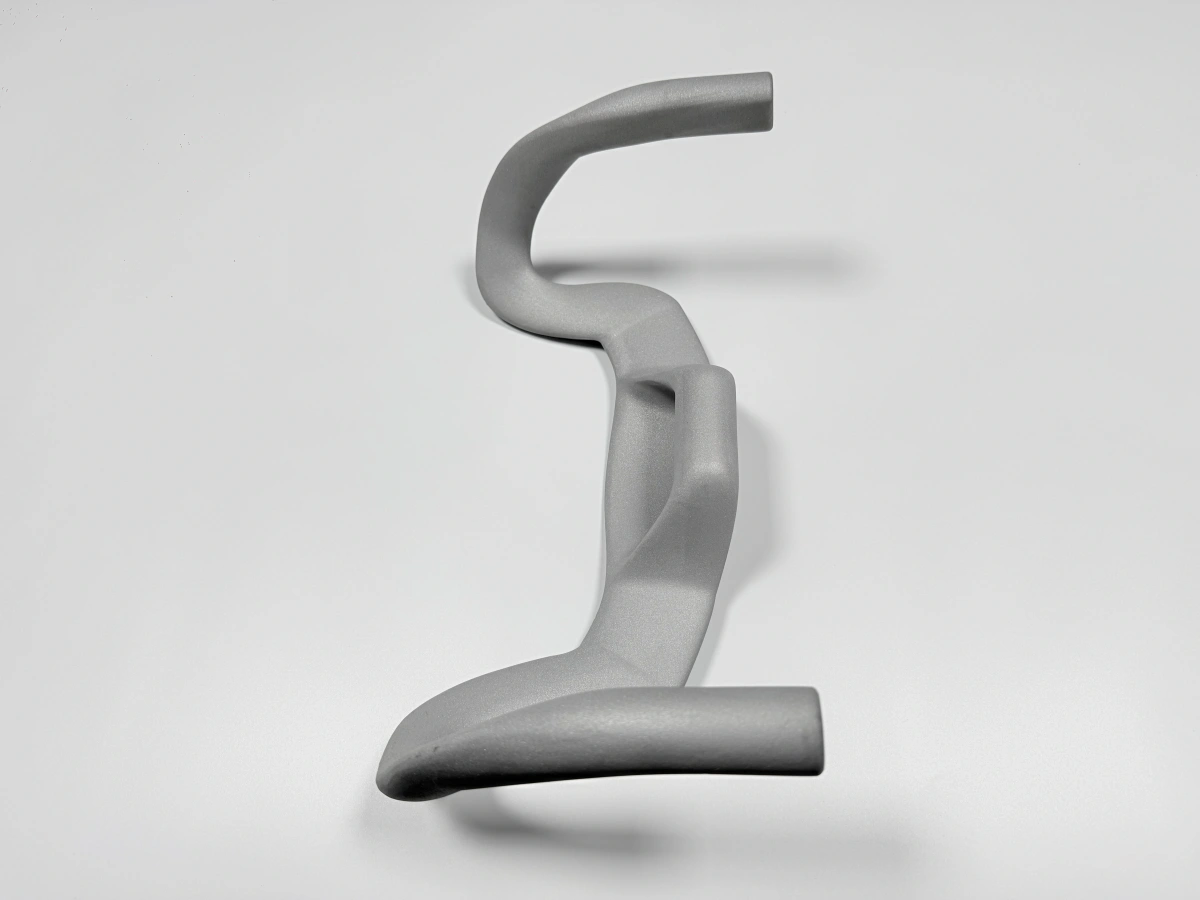
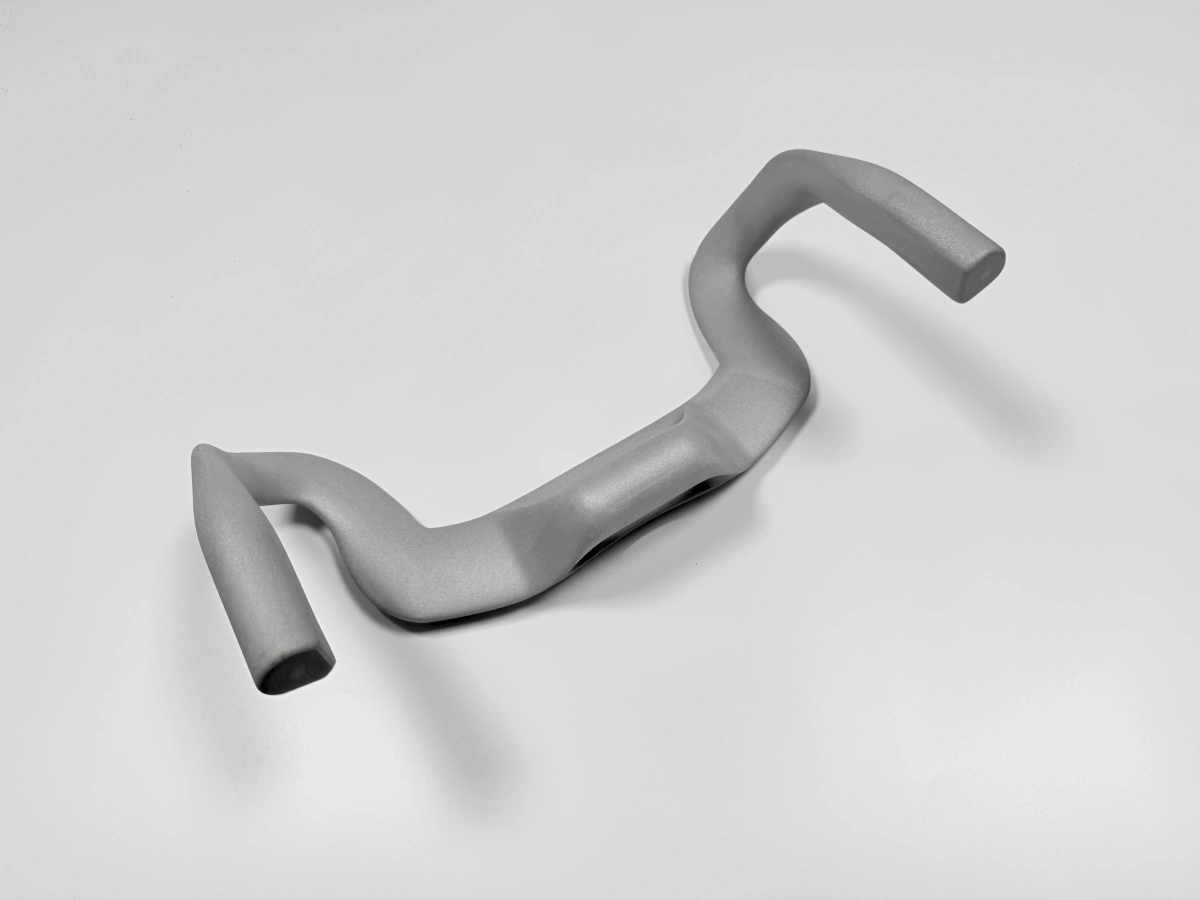
Superalloy AM is most useful when the geometry or lead-time pressure makes conventional machining, casting, or fabrication inefficient. Buyers usually come to us with combustor hardware, turbine-related brackets, heat-exposed housings, ducts, repair features, or test hardware that needs a high-temperature nickel alloy route. The first engineering question is not whether the part can be printed. The first question is whether printing helps the buyer control geometry, schedule, weight, or iteration without creating unacceptable finishing or inspection risk.
A part with internal channels, organic weight-reduction features, integrated bosses, or hard-to-machine contours may be a good AM candidate. A simple block with loose tolerance may not be. If most of the final cost comes from machining every face after printing, our team will say so during the RFQ review. That is not a rejection of additive manufacturing; it is an attempt to keep the buyer from paying for complexity that does not help the part function.
For high-temperature metal 3D printing service inquiries, Neway also looks at acceptance risk. If the application needs density, fatigue resistance, controlled surface condition, or records for internal defects, the RFQ should include that from the beginning. Late requests for HIP, CT inspection, or special reporting can change both price and lead time.
We also separate design exploration from procurement release. During early R&D, a buyer may only need a printed shape to check fit, flow, or assembly access. During sourcing, the same geometry may require a controlled alloy, heat treatment, dimensional records, surface protection, and repeatable packaging. Those two requests should not be quoted as the same job. Calling out the maturity of the project helps us decide how much engineering review belongs in the first response.
Material and Process Route Before Price
Superalloy is a family, not a single material. Inconel 718, Inconel 625, Hastelloy X, Hastelloy C-276, Rene alloys, and other nickel-based alloys do not behave the same way in printing, heat treatment, or finishing. A buyer can start with a preferred alloy, but the RFQ should explain why that alloy was selected: temperature, corrosion, strength, weld repair, fatigue, oxidation, or compatibility with an existing assembly.
Process selection also needs care. powder bed fusion can be suitable for precise metal parts with fine features, while EBM or DED may be discussed for larger structures or different thermal conditions. If a buyer only asks for a process name, the quote may miss the real constraint. We prefer to review part size, wall thickness, support-sensitive faces, internal passages, required density, and machining stock before naming the route.
Material availability should also be checked before the buyer locks the drawing. Some alloys are practical for one additive route and less practical for another. Some require a longer review because powder, parameter maturity, or post-processing records matter. If a drawing allows substitutes, the RFQ should state whether the substitute must match temperature capability, corrosion behavior, tensile properties, or only general function.
Buyer situation | Likely engineering review | Commercial impact |
|---|---|---|
Thin hot-section bracket with critical holes | Check PBF build orientation, support marks, heat treatment, HIP need, and CNC allowance | Quote should include printing plus finishing and inspection, not raw print only |
Large near-net-shape superalloy part | Compare DED, EBM, machining allowance, distortion risk, and final datum access | Lead time may depend more on post-machining than build time |
Corrosion-resistant duct or housing | Compare Inconel 625, Hastelloy, surface condition, and leak or pressure test needs | Material and acceptance requirements drive supplier comparison |
Prototype before low-volume production | Define whether repeatability, reports, and fixture strategy are needed from the first order | A cheap first article may not be the best route for repeat supply |
Post-Processing and Inspection Scope
For superalloy printed parts, post-processing is not an optional afterthought. Stress relief, solution heat treatment, aging, HIP, support removal, CNC machining, EDM, surface treatment, and cleaning can all affect the final commercial scope. The important decision is sequence. If a sealing face or datum is machined before the part stabilizes thermally, the final feature may not hold the intended relationship. If inspection happens before a coating or finish step, the buyer may not receive evidence for the finished condition.
Neway normally asks which features control acceptance. A loaded boss, thin rib, sealing surface, bearing seat, threaded port, or coated hot face should be marked clearly on the drawing. The rest of the part can often follow a more practical general tolerance. This approach keeps the RFQ focused on features that matter to assembly and avoids applying expensive inspection effort to every non-critical surface.
Buyers should also identify which records must ship with the order. Material certificate, heat treatment record, CMM report, CT inspection, metallurgical review, surface roughness report, and first article approval are different scopes. Each can be reasonable, but each changes the quote. If the requirement is not visible before PO release, it becomes a schedule risk.
Another practical issue is the inspection stage. A buyer may request a CMM report on final dimensions but forget that the part will be coated after machining. A report before coating may not prove final acceptance. The same logic applies to HIP and heat treatment. If the acceptance condition is after all secondary operations, the quote should define that condition clearly so the supplier does not inspect the wrong stage.
How to Compare Superalloy Quotes
Comparing superalloy AM quotes by unit price alone is risky. One supplier may quote raw printed parts. Another may include heat treatment, HIP, CNC finishing, inspection, cleaning, and packaging. A third may assume the buyer will approve all build support marks. These quotes are not equivalent even if the line item uses the same alloy name.
We recommend asking every supplier to state what is included, what is excluded, and what would trigger a re-quote. Important assumptions include substitute material, build orientation, support removal, machining allowance, finish level, inspection method, and the timing of approval. If the part may become a repeat order, ask whether the supplier can preserve the same route and records after the prototype is accepted.
A strong supplier answer should include engineering boundaries. It should say when the part is suitable for AM, when CNC or casting may be better, and where design changes could reduce cost. That kind of answer is more useful than a broad promise of capability.
RFQ Data Neway Needs for a Reliable Quote
Before Neway treats a hot-section superalloy inquiry as quote-ready, we need the current 3D CAD file, controlled 2D drawing if available, material grade or allowed substitute, quantity, target delivery, surface and coating expectations, critical dimensions, inspection records, and operating notes such as heat, load, corrosion, or airflow. If the buyer has a preferred process, we will review it, but we may also point out a lower-risk route.
The buyer should also state whether the request is for a raw print, a machined part, or a finished component ready for assembly. This one line prevents many commercial problems. A raw print quote may be useful for early budgeting, but it should not be compared with a finished-part quote that includes heat treatment, HIP, machining, inspection, and packaging.
If the part belongs to an aerospace or energy system, link the RFQ to the acceptance requirement rather than only naming the industry. For example, tell us whether the controlling issue is fatigue, temperature exposure, dimensional fit, leak risk, coating adhesion, or repeatability. That is the information that helps our engineers quote the real manufacturing route.
Related FAQs
Which 3D printing technology is best for manufacturing high-performance superalloy parts?
How does EBM compare to other additive manufacturing technologies for superalloys?
What are the most common post-processing methods for 3D printed parts?
How does post-processing improve the mechanical properties of 3D printed parts?
What post-processing is required to achieve aerospace-grade surface on superalloy components?
Which materials benefit most from HIP for increased density and strength?
.webp)