Inconel 718 3D Printing Service: Cost, HIP and CNC Review
An Inconel 718 3D printing service quote should not start and end with the build price. Inconel 718 parts are often requested for heat, strength, fatigue, and corrosion resistance, but the final quote is controlled by geometry, heat treatment, HIP, CNC finishing, inspection records, and how close the buyer needs the part to be to an assembly-ready condition.
At Neway, we review Inconel 718 RFQs as finished manufacturing packages. A model may be printable, but the part may still need stress relief, solution and aging treatment, HIP, EDM, threaded features, sealing faces, or CMM reporting. If those operations are not included in the same commercial discussion, the buyer may receive a low price that cannot deliver the accepted component.
This article explains the quote drivers that usually separate a simple Inconel 718 print estimate from a finished-part manufacturing quote. It is written for buyers comparing prototype or low-volume production scopes where HIP, heat treatment, CNC stock, and inspection can change both price and acceptance risk.
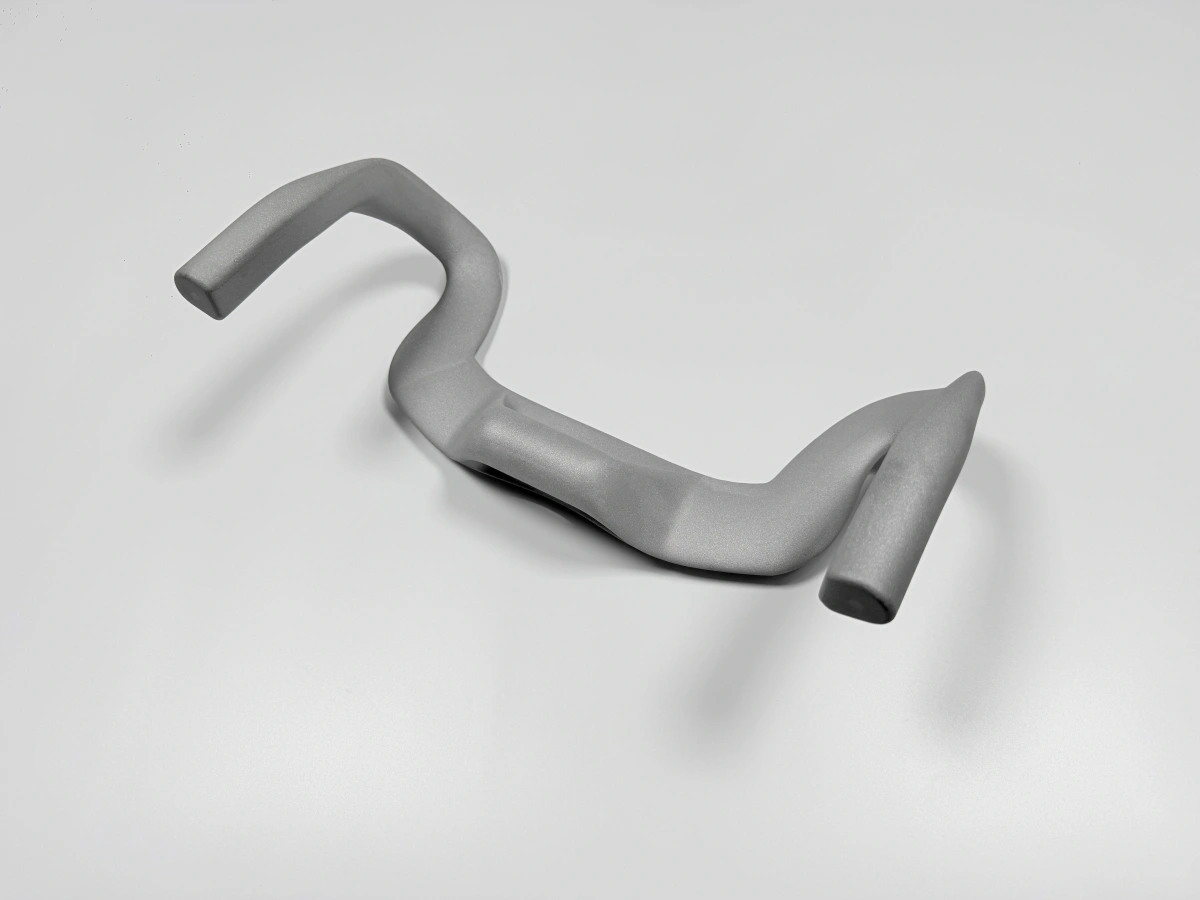
Common Inconel 718 Printed Part RFQs
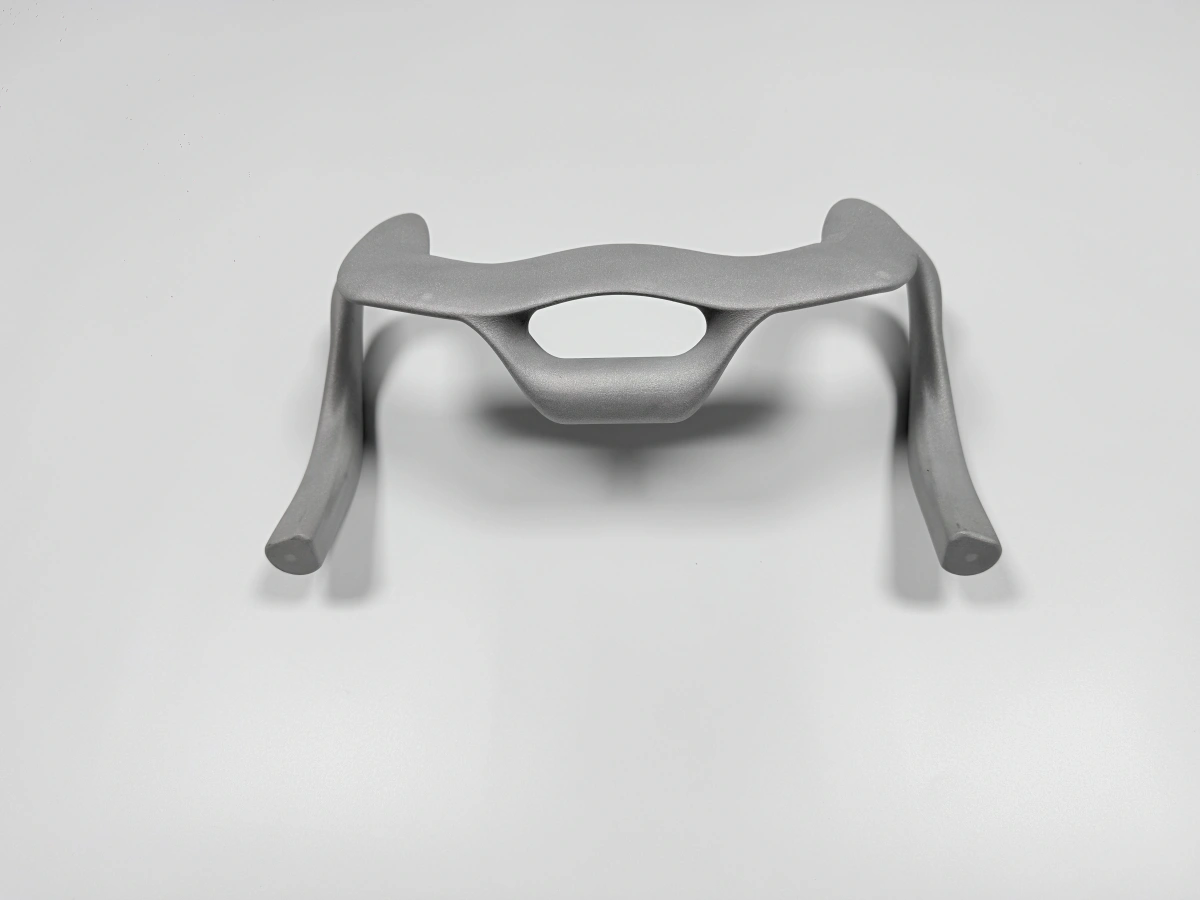
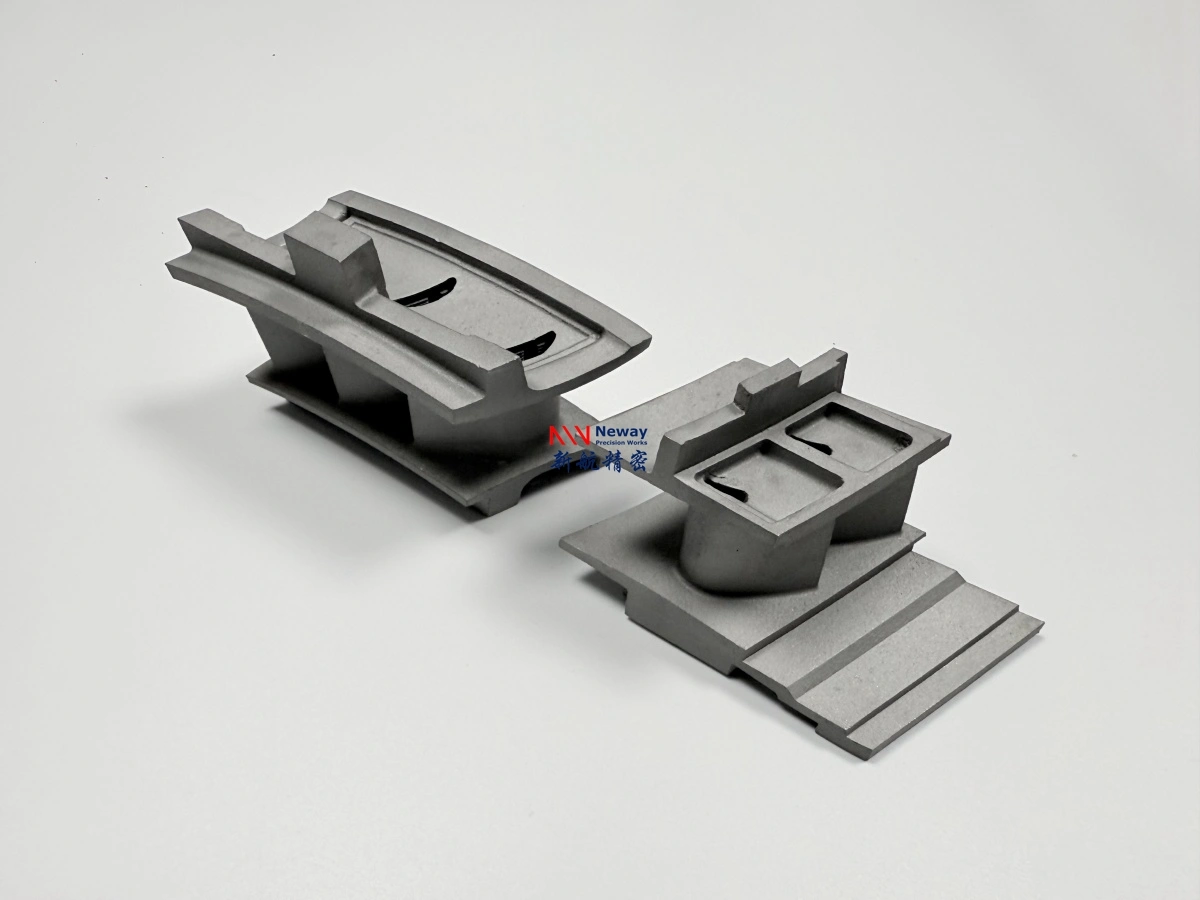
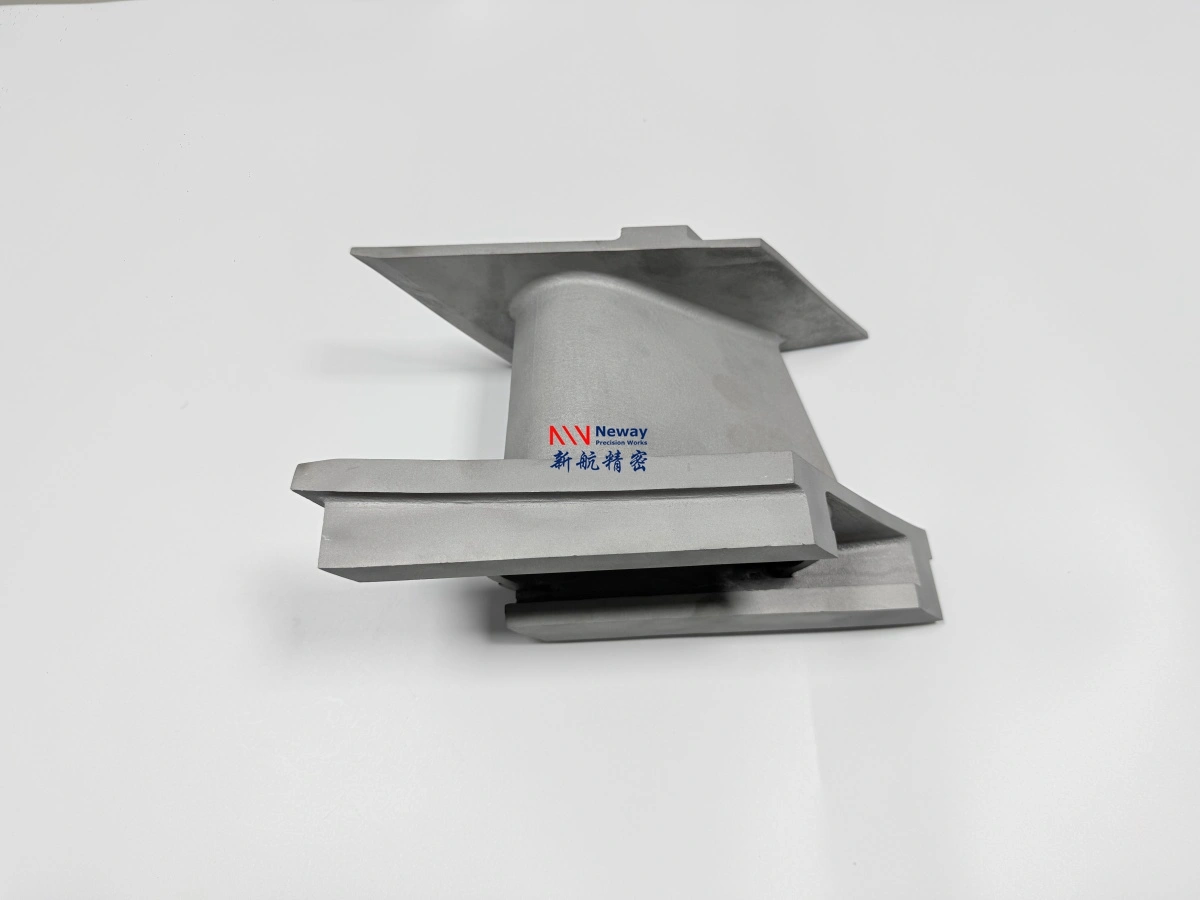
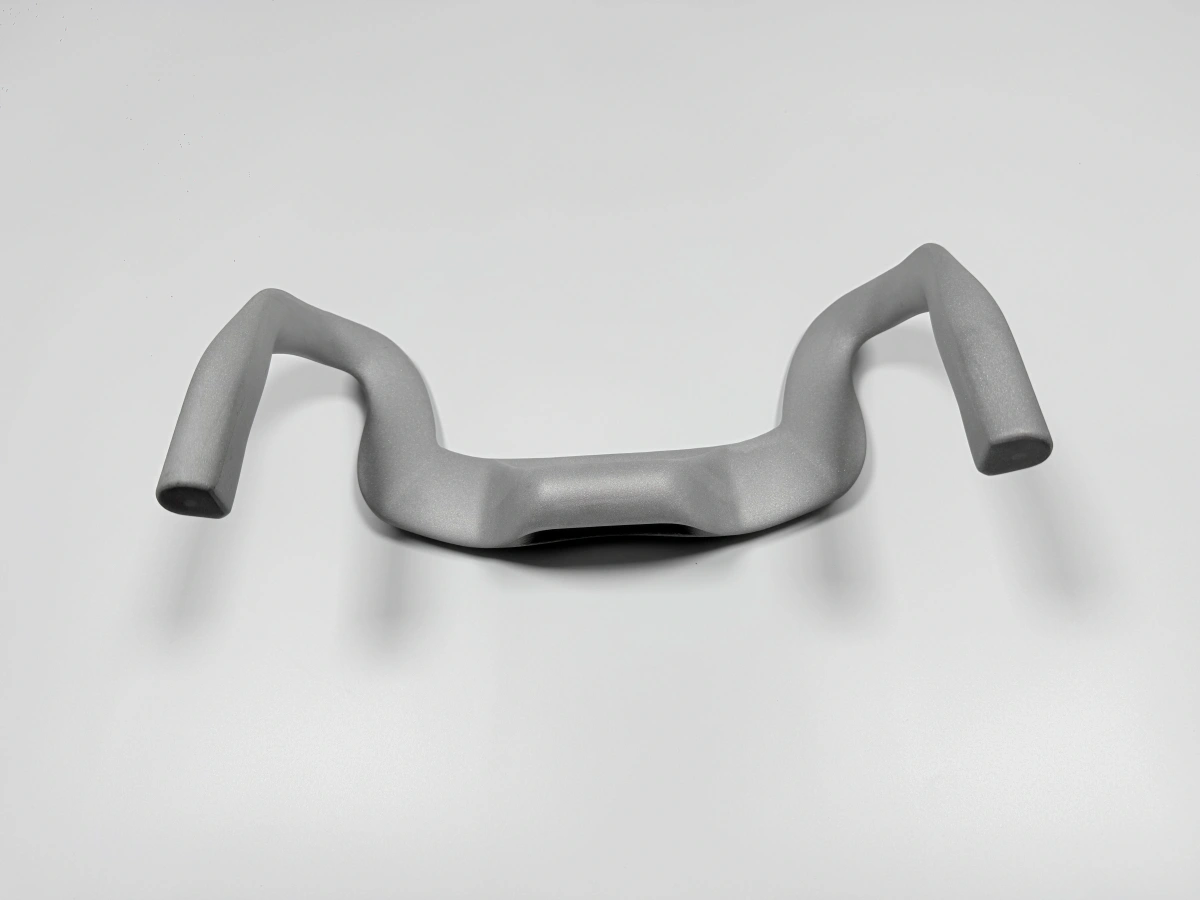
Inconel 718 appears in RFQs for brackets, housings, ducts, nozzles, heat-exposed fixtures, test articles, repair-adjacent hardware, and custom parts where ordinary stainless steel or aluminum would not survive the environment. The buyer may come from aerospace, energy, industrial equipment, or R&D. The part may be a first prototype, a design validation item, or a repeatable low-volume order.
The first review point is the function of the part. If the part carries load, sees heat, or will be inspected against a controlled drawing, we treat it differently from a rough demonstration model. Loaded bosses, sealing faces, thin walls, internal passages, and mating surfaces should be named early. Those features decide build orientation, support strategy, machining stock, and inspection method.
Neway also checks whether Inconel 718 is truly the best material for the function. Sometimes the choice is correct. Sometimes the buyer is comparing Inconel 718 with Inconel 625, Hastelloy X, titanium, or stainless steel. If corrosion is more important than strength, or if the operating temperature and load profile do not require 718, we will flag the discussion before the quote becomes locked to the wrong alloy.
Cost Drivers Beyond Printing
The visible build cost is only one part of the Inconel 718 quote. Machine time, powder use, support volume, build orientation, part height, and nesting efficiency matter, but secondary work often controls the finished price. Support removal on a difficult face, machining of a sealing surface, EDM on hard-to-reach features, or added inspection can change the quote more than small differences in print volume.
Quantity also changes the engineering decision. A one-off prototype may justify a simpler fixture and a more manual finishing route. A repeat order should be reviewed for stable datums, repeatable support removal, consistent heat treatment, and inspection frequency. If the first order may become regular low-volume production, the buyer should say that in the RFQ.
Cost driver | What Neway checks | How buyers can reduce uncertainty |
|---|---|---|
Build orientation and support | Support-sensitive faces, thermal distortion risk, part height, and powder removal access | Mark cosmetic, sealing, or functional surfaces before quoting |
Heat treatment and HIP | Mechanical requirement, density risk, fatigue sensitivity, and sequence before machining | State whether the part needs raw-print review or finished-part acceptance |
CNC or EDM finishing | Datum access, machining stock, thread quality, bore tolerance, and surface finish target | Provide a drawing with critical dimensions instead of relying only on CAD |
Inspection records | CMM report, CT scan, material certificate, heat-treatment record, or sample approval | Define required evidence before comparing supplier prices |
Order quantity | Prototype effort, repeatability needs, fixture logic, and batch inspection level | Tell the supplier whether the quote is one-off, pilot, or repeat production |
When HIP and Heat Treatment Belong in the Quote
Inconel 718 printed parts commonly require heat treatment planning. The exact sequence depends on the required mechanical condition, part geometry, and the features that will be machined after printing. Buyers do not need to prescribe every cycle in the first email, but they should say whether the part is fatigue-sensitive, pressure-related, heat-exposed, or intended for qualification work.
Hot isostatic pressing may be useful when internal porosity risk, fatigue performance, or critical acceptance drives the project. It is not a decoration and should not be added only because the word appears in another drawing. HIP changes cost, schedule, and sometimes downstream machining sequence. If the buyer needs HIP, the quote should also define what inspection happens before and after HIP.
Heat treatment and aging can also interact with final machining. A sealing surface or precision bore may be better finished after thermal processing so that the final dimension reflects the stabilized condition. If the drawing has critical datums, Neway reviews whether those datums should be printed oversized and machined later.
CNC Stock and Finished Dimensions
Inconel 718 is usually not quoted as a raw printed shape when the buyer needs assembly-ready parts. Threads, bores, sealing faces, bearing seats, and tight-position features usually require CNC machining or EDM after printing. The RFQ should show which dimensions are critical and which surfaces may remain as printed or blasted.
Machining stock must be planned before printing. Too little stock can leave support marks, local distortion, or roughness on functional surfaces. Too much stock can increase build time, material use, and machining effort. We prefer a controlled discussion: which faces need final machining, what tolerance applies, what surface finish is required, and what inspection method will confirm it.
EDM may enter the discussion for precise slots, hard-to-reach features, delicate geometries, or surface finish requirements after printing. If an Inconel 718 RFQ includes narrow passages or features that cannot be reached by standard milling tools, buyers should call that out early instead of assuming it is a normal CNC operation.
For finished Inconel 718 parts, we prefer that the buyer mark machined and non-machined surfaces differently. This helps us avoid adding unnecessary machining stock to surfaces that can remain as printed, while protecting the few surfaces that control assembly. It also helps purchasing compare quotes. A supplier that machines every surface may look more expensive, while a supplier that leaves critical faces unfinished may create a later acceptance problem.
Threaded holes, dowel holes, sealing grooves, and thin flanges deserve special attention. These features often look simple in CAD but control the final usability of the part. If they are buried near support areas or close to heat-affected surfaces, the print route and machining route must be planned together. A late request to improve a thread or sealing face can force rework or a new build.
Quote-Ready Information for Inconel 718
For a reliable quote, send the STEP or native CAD file, controlled 2D drawing, material grade, quantity, revision level, target delivery, finish expectation, required heat treatment or HIP if known, critical dimensions, inspection report needs, and whether substitute alloys are allowed. If the part is only for budget review, say that. If the quote must support a purchase order, the acceptance criteria need to be clear.
Buyers should also describe the service condition in plain language. Temperature exposure, static load, cyclic load, corrosion, sealing, airflow, or assembly fit will influence our route recommendation. We do not need confidential system details, but we do need enough context to avoid quoting a raw print when the real order is a qualified finished component.
If you are comparing suppliers, ask each one to list exclusions. Does the quote include heat treatment, HIP, support removal, cleaning, machining, inspection, and packaging? Does it include only the first article or a repeatable batch process? A complete quote may look higher at first, but it is usually easier to compare and safer to release.
When the buyer is unsure, we can still start with a technical review. The most helpful note is not a long specification; it is a short explanation of what the part must do and what would make the order unacceptable. For example, "this face seals against a gasket," "this bore locates a shaft," or "this batch is for thermal cycling tests" tells us more than a generic request for high quality. It points our review toward the feature that controls the quote.
That small amount of context is often enough to separate a budgetary print estimate from a controlled manufacturing quote.
Related FAQs