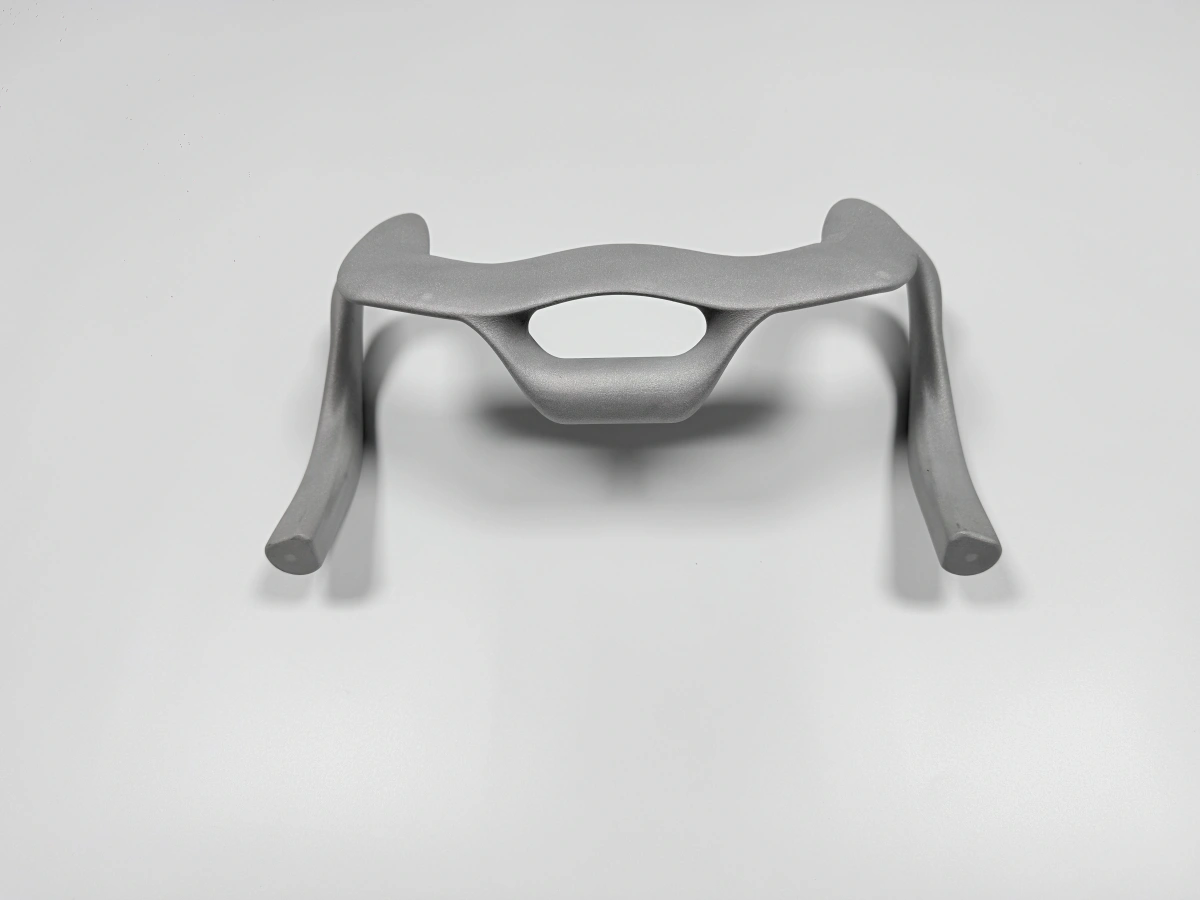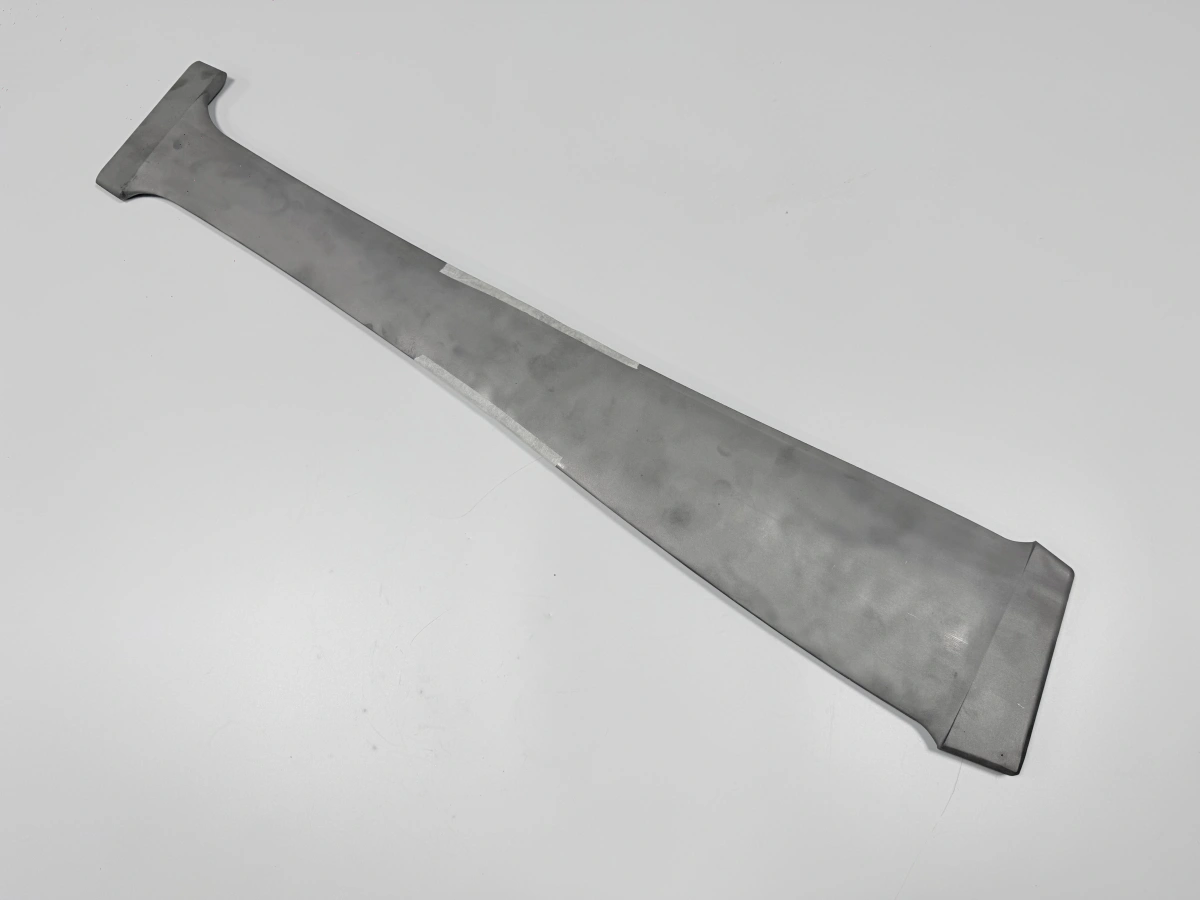
Inconel 713C AM RFQs for Turbine and Hot-Section Part Buyers
Inconel 713C AM RFQs need early manufacturability review because turbine and hot-section parts rarely fail at the material name alone. The buyer must define alloy requirement, thermal environment, feature risk, heat treatment or HIP expectation, CNC interfaces, and inspection evidence before comparing suppliers. A printed near-net blank and a finished hot-section component are different quote scopes.
Neway reviews Inconel 713C requests by asking why this alloy is required, whether a more common nickel alloy may be acceptable, and which features create risk during build and post-processing. Hot-section hardware can include thin edges, cooling-related passages, blade-like contours, mounting faces, and high-temperature coating zones. Each item changes the RFQ.
This article supports buyers considering Inconel 713C 3D printing service for turbine-related or hot-section development parts. It does not claim automatic turbine qualification; final acceptance depends on the buyer's drawing, specification, and validation plan.
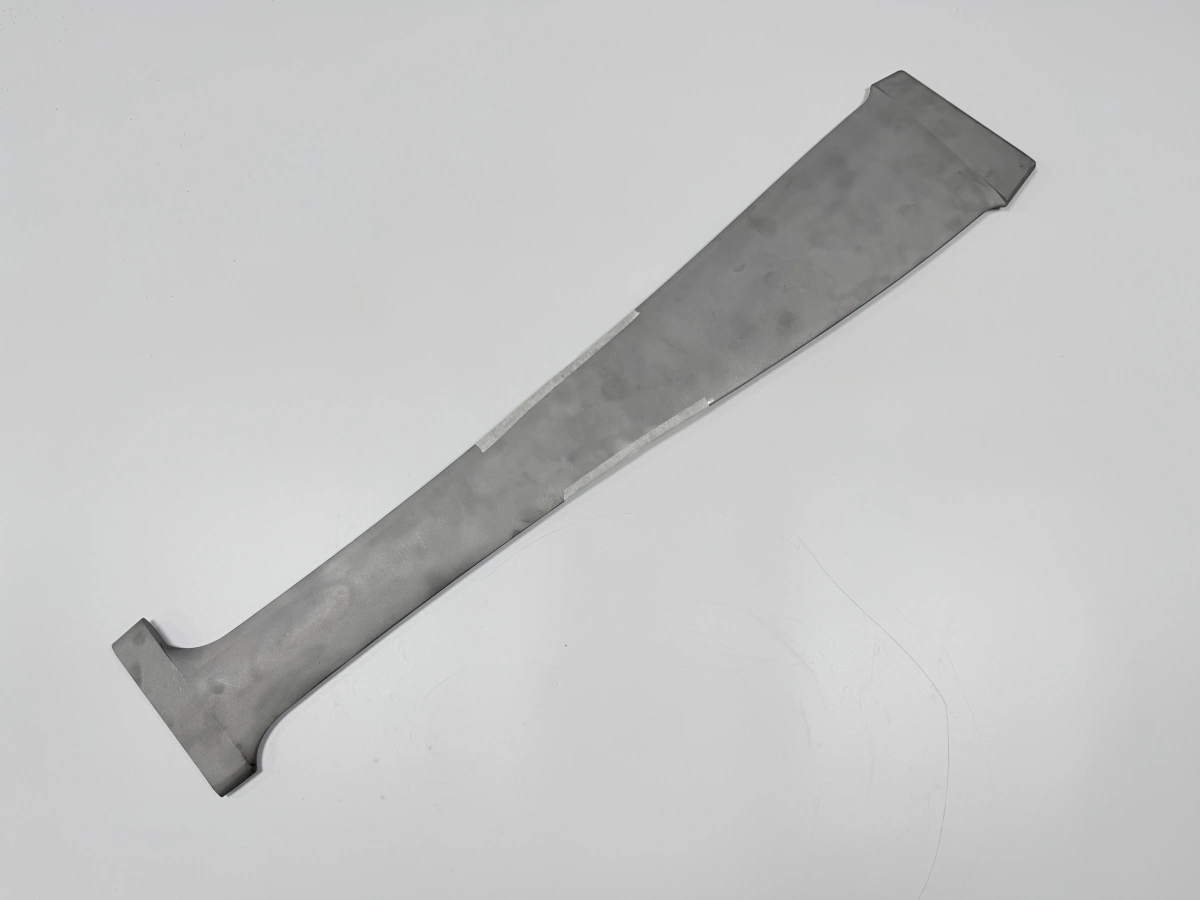
Why Inconel 713C Requires Early Manufacturability Review
Inconel 713C should be reviewed before the buyer treats it as a standard AM alloy. Material availability, powder route, build behavior, and post-processing expectations may differ from more commonly quoted nickel alloys. If the drawing requires Inconel 713C, the RFQ should state the standard, records, and whether any alternate alloy is prohibited.
Crack sensitivity or build risk should be discussed cautiously and geometry-by-geometry. Thin vanes, sharp transitions, heavy-to-thin wall changes, and constrained hot-section shapes can increase manufacturing risk. The buyer should allow DFM review before freezing the build orientation and support strategy.
If the buyer is evaluating superalloy 3D printing service for the first time, it is useful to separate feasibility review from production approval. A prototype may answer shape and finishing questions, while a qualified hot-section part needs buyer-owned evidence and validation.
The RFQ should also say whether the part is a sample coupon carrier, turbine fixture, flow-path development part, or production-intent component. These categories need different evidence. A development coupon may focus on material route and post-processing, while an assembly component may need datums, bolt features, coating boundaries, and inspection records tied to a drawing revision.
Turbine and Hot-Section Features That Raise Risk
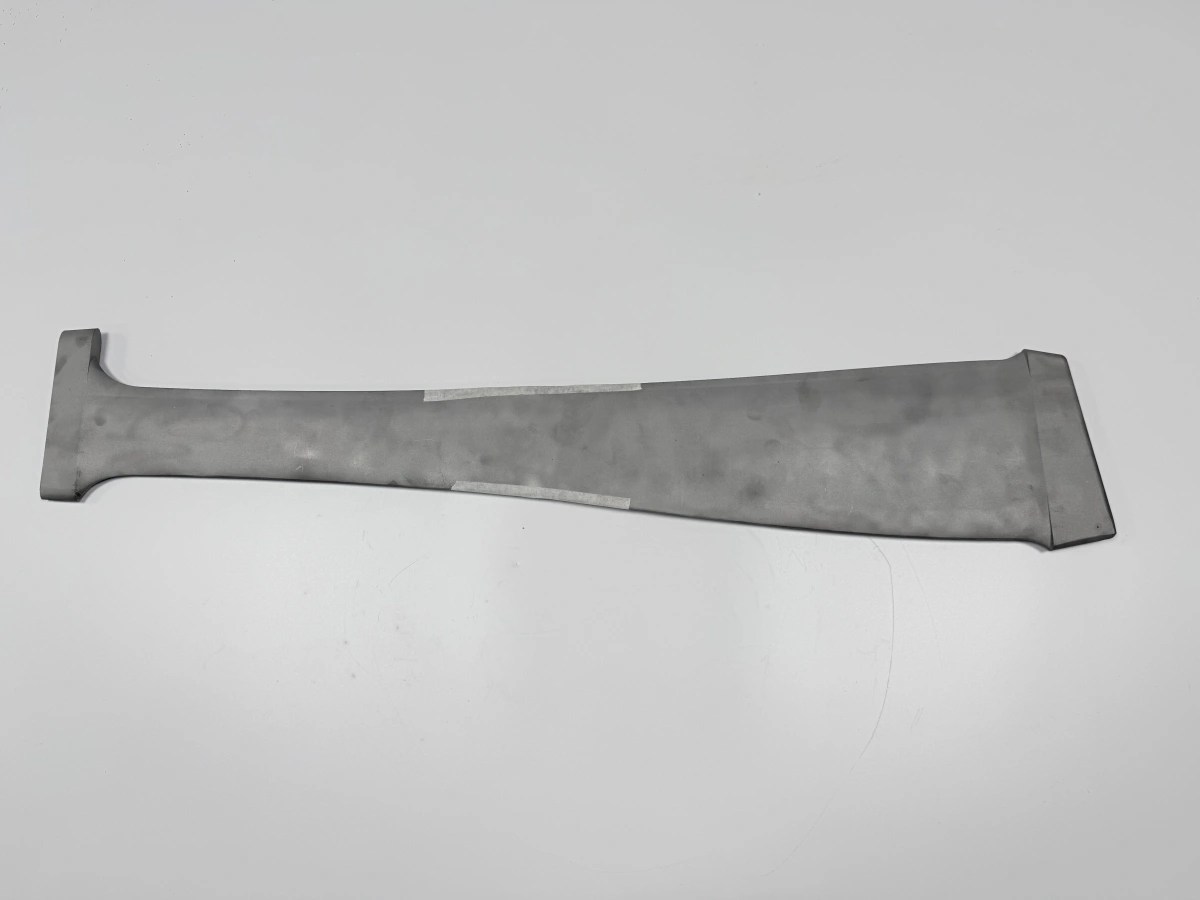
Turbine-related parts can include thin trailing edges, root features, cooling slots, shroud-like faces, seal lands, bosses, and curved air-path surfaces. These features should be marked by function. A surface that will receive a thermal barrier coating has different preparation needs from a surface that remains machined metal. A thin edge may need orientation review before the quote is reliable.
Internal or semi-internal cooling features should be reviewed for powder removal and inspection access. If a channel cannot be cleaned or verified, the buyer should decide whether the design can be changed or whether another manufacturing route is needed. Ordinary external inspection does not prove internal flow path condition.
Support contact near a hot gas path, seal land, or fatigue-sensitive region should be discussed before printing. A support scar on a later-machined pad may be acceptable. A support mark on an as-printed high-temperature surface may require local finishing, coating preparation, or redesign.
Thermal growth, oxidation, and coating compatibility are buyer-side design topics, but they still affect manufacturing scope. If the buyer expects a coating, masking, or surface preparation route, the supplier needs that boundary before deciding support location and machining stock. Adding coating notes after the print is complete can expose surfaces that were never prepared for that requirement.
Feature | Alloy risk | Post-process question | Inspection evidence | Alternate alloy discussion |
|---|---|---|---|---|
Thin vane or edge | Build stability and local cracking risk need review | Support strategy, stress relief, and surface finishing | Visual, dimensional, or profile evidence as specified | Compare a more common nickel route if allowed |
Cooling passage | Powder removal and internal surface access may be limited | Drain features, cleaning route, and inspection method | Flow, CT, or buyer-defined evidence when required | Review DED, PBF, or conventional fabrication based on geometry |
Seal land | As-printed surface may not meet sealing or wear expectation | CNC machining, grinding, or local finish | Flatness, profile, or surface evidence if listed | Alternative alloy does not remove machining need |
TBC zone | Coating surface preparation must match the buyer's system | Masking, roughening, and coating boundary review | Coating-related records as specified by buyer | Confirm whether coating is included or separate |
Mounting face | Distortion after thermal processing can affect fit | Machine after heat treatment or HIP route is confirmed | CMM from final datums | Common Inconel route may simplify sourcing if approved |
Heat Treatment and HIP Questions Before Quotation
Heat treatment should be requested by specification, not by habit. The buyer should identify required material condition, stress relief expectations, and whether records are needed. If the route includes HIP, that should be quoted separately because it affects cost, sequence, and final inspection timing.
HIP may be discussed when internal soundness or fatigue-sensitive service is part of the acceptance risk. It is not a substitute for machining a seal land, verifying a cooling passage, or preparing a surface for coating. Buyers should avoid writing heat treatment and HIP as a single vague instruction.
Thermal processing can change when final machining occurs. A mounting face, bore, seal land, or coating mask area should usually be reviewed after the thermal route is known. Measuring or finishing too early can create evidence that does not represent the delivered part.
CNC Interfaces on High-Temperature Nickel Alloy Parts
Hot-section superalloy parts often need CNC machining on interfaces even when the body is printed. Bolt holes, root features, seal faces, dowel bores, mounting pads, and inspection datums should be marked before quotation. Inconel 713C does not make these interfaces finish themselves.
Machining stock should be placed where functional surfaces need it. A printed allowance on every face can raise cost; too little stock on a seal land can make the part impossible to finish. The buyer should indicate which features are critical-to-function and which surfaces are only aerodynamic, clearance, or cosmetic.
If thermal barrier coatings are part of the later route, coating boundaries should be considered with machining and masking. A machined surface may need protection from coating, while a coated zone may need surface preparation. The quote should state whether coating is included, excluded, or buyer-supplied.
High-temperature nickel alloys can also change machining assumptions. Tool access, fixture stiffness, and sequence after heat treatment or HIP should be reviewed before the supplier commits to final interfaces. A cooling slot that blocks tool access or a seal face placed behind a thin wall may need a design adjustment before the quote can be treated as finished-part pricing.
When a More Common Inconel Route Should Be Compared
Inconel 713C may be required by the buyer's application, but it should not be chosen only because it sounds suitable for heat. If the project is early prototype work and the drawing allows a different nickel alloy, a more common Inconel route may reduce sourcing uncertainty. That comparison needs buyer approval before the supplier changes material.
For a reliable Inconel 713C AM RFQ, send the STEP file, 2D drawing, material standard, quantity, hot-section function, temperature or environment notes supplied by engineering, cooling passages, support-sensitive surfaces, heat treatment and HIP requirements, TBC or masking expectations, machined interfaces, inspection records, and target delivery timing. If no alternate alloy is allowed, say so clearly.
Before PO release, confirm which records are included: material evidence, build notes, thermal processing records, HIP records, coating-related notes, dimensional report, and any buyer-specified inspection. Requesting these items after shipment may not produce the evidence needed for a hot-section review.
The buying goal is to make feasibility, post-processing, and acceptance visible before the PO. Inconel 713C can be reviewed as a serious superalloy route only when the part's geometry and evidence requirements are equally clear for manufacturing review, supplier comparison, purchase approval, and contract release.
If purchasing requests parallel options, keep them separate: Inconel 713C as specified, a more common Inconel alloy if engineering permits, and a non-AM route when geometry or inspection risk is too high. Combining those options in one price hides the real technical decision.
Related FAQs