Inconel 625 AM for Corrosion and Heat Service Components RFQs
Inconel 625 AM for corrosion and heat service components should be quoted from the operating environment, not from the alloy name alone. A buyer may request Inconel 625 because the part sees corrosive media, elevated temperature, a wet industrial atmosphere, or a combination of heat and sealing load. Those conditions change material confirmation, surface finishing, machining, inspection, and whether another nickel alloy should be quoted as a controlled alternative.
Neway treats an Inconel 625 3D printing service inquiry as a finished-part scope review. A printed shape may be feasible, but the purchase decision usually depends on flange faces, threaded ports, gasket lands, sensor bosses, tube joints, cleaning access, and evidence requested at delivery. A quote that ignores those features can look simple and then become unclear when the part reaches assembly.
This article is for industrial buyers comparing superalloy 3D printing service routes for corrosion or heat-exposed components. It does not promise material performance in any named chemical or temperature condition; the buyer's drawing, service environment, specification, and acceptance plan decide the final requirement.
When Inconel 625 Is Requested for Corrosive Service
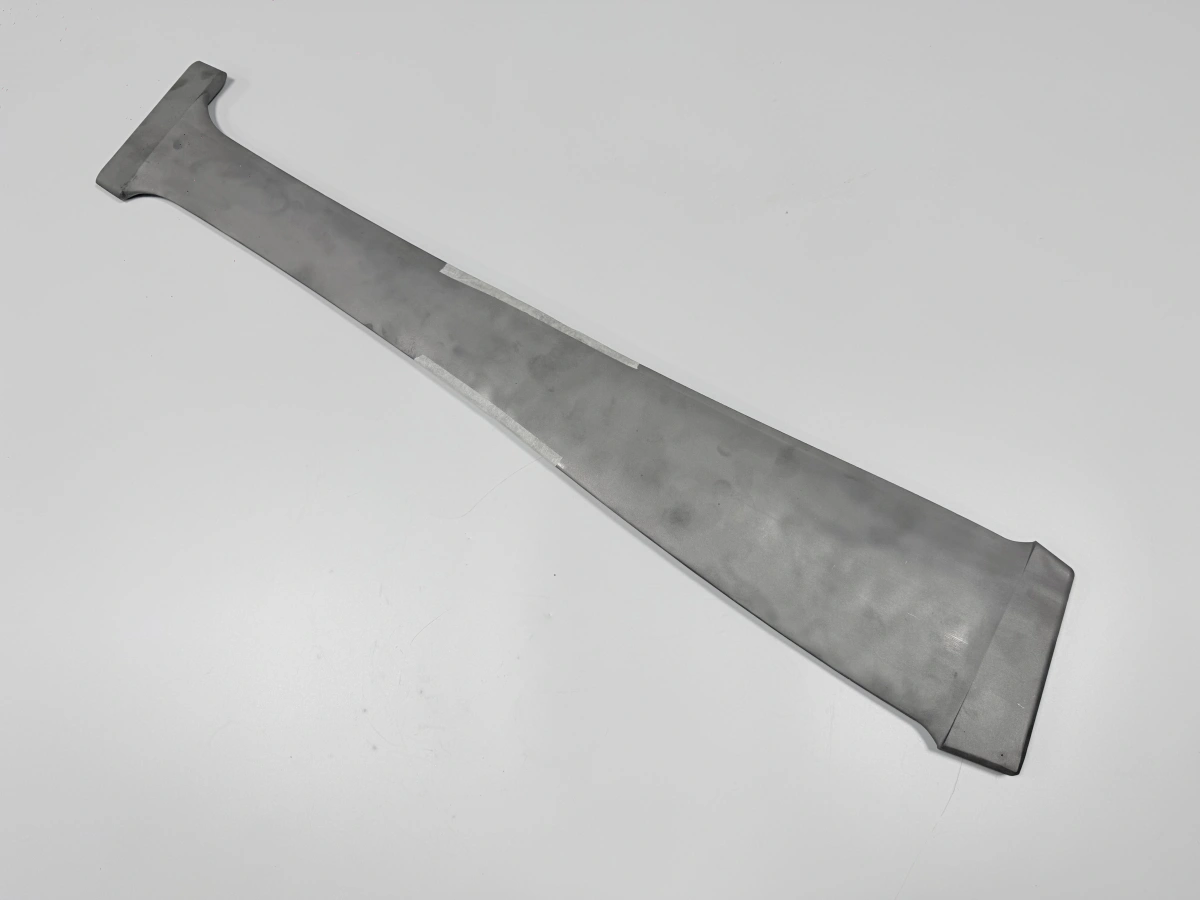
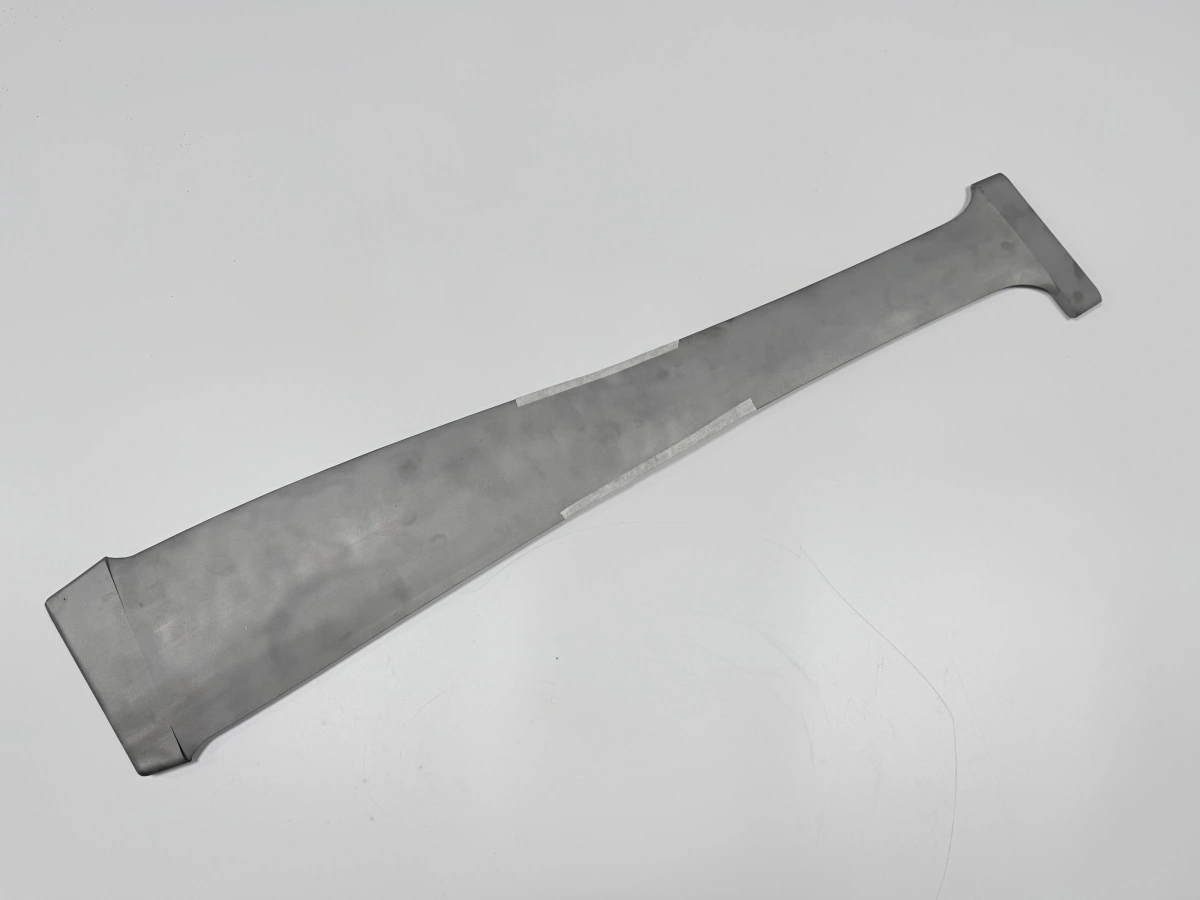
Inconel 625 is often discussed when a stainless steel or aluminum route may not fit the corrosion environment. For an AM quote, the useful question is not only whether the alloy can be printed. The useful question is which surfaces contact the medium, which features trap liquid or powder residue, and which zones must be machined or finished before the part can be accepted.
Corrosion-service hardware may include manifolds, nozzles, valve-related bodies, exhaust parts, sensor adapters, thermal inserts, and process fixtures. Internal channels and blind pockets deserve early attention. If corrosive fluid can remain in an uncleaned pocket, the geometry should be revised or the inspection and cleaning method should be defined before the PO.
Printed surfaces should not be treated as automatically equivalent to wrought or machined surfaces. Layer texture, support contact, partially closed passages, and finishing access can affect how the finished part behaves in service. Neway can review the powder bed fusion route when fine features and complex passages matter, but geometry still controls cleaning and finishing access.
For buyer review, separate the chemical exposure from the mechanical interface. A wetted wall may remain printed if the specification allows it and cleaning can be verified. A gasket face, bearing shoulder, tube seat, or threaded port usually needs CNC finishing or another controlled operation, even if the surrounding body remains as-printed.
Heat Exposure Notes That Belong in the RFQ
Heat service should be described with more than a phrase such as "high temperature." The supplier needs to know whether the component sees steady heat, repeated thermal cycling, hot gas exposure, localized flame proximity, radiant heat, or a bolted joint that must stay sealed after heating. These conditions influence build orientation, support location, heat treatment discussion, and whether surface protection is part of the quote.
Inconel 625 may be reviewed for heat-exposed industrial parts, but it should not be selected blindly when strength at temperature is the controlling issue. If the part is heavily loaded or fatigue-sensitive, compare the specified requirement with other nickel alloy routes before freezing the material. A prior Inconel 713C material page can be a useful reference for hot-section alloy discussions, but the final choice depends on the buyer's acceptance criteria.
Thermal cycling also changes the finishing discussion. Thin lips, long flanges, and wide flat faces can move during stress relief or later thermal exposure. If a sealing face must stay flat, the drawing should identify that face as a machined surface and state when inspection is required. If a thin wall only provides shielding or flow guidance, the tolerance and surface note may be less demanding.
Exposure condition | Inconel 625 relevance | Feature risk | Post-process note | Buyer data needed |
|---|---|---|---|---|
Corrosive fluid path | Nickel alloy route may be discussed when stainless is not enough | Blind pockets, rough internal walls, trapped media | Cleaning access, local finishing, or design revision | Fluid, concentration, exposure mode, cleaning requirement |
Heated exhaust or gas part | Useful for elevated-temperature metal hardware subject to specification review | Thin lips, support marks, coating boundary | Stress relief, surface preparation, optional coating discussion | Temperature mode, cycling, contacted gas, required surface state |
Bolted flange or gasket joint | Alloy body may be printable while interface needs finishing | Flatness, bolt-hole position, sealing land texture | CNC finishing after thermal operations | Gasket type, datum scheme, critical dimensions, inspection record |
Thermal insert or fixture | AM may help when channels, reduced assembly, or shaped heat paths matter | Warping, contact pad condition, cleaning access | Machined contact pads and dimensional inspection | Contact surfaces, load path, fixture function, repeat quantity |
Flanges, Sealing Faces, and Threads After Printing
Flanges and sealing faces are the features that most often turn an Inconel 625 AM quote into a finished-part quote. An as-printed surface may be acceptable for a non-contact outside wall, but a gasket land, O-ring groove, tube seat, or mating face should be identified for machining. The RFQ should state whether the supplier is responsible only for a near-net blank or for a ready-to-assemble part.
Threads should normally be planned as post-machined, chased, tapped, inserted, or otherwise finished according to the drawing. Printed threads may be useful for visual prototypes or non-critical handling features, but production threads in nickel alloys need functional review. Small threaded holes near thin walls can also affect orientation, support, and access for tools.
Bores need similar separation. A fluid bore may need diameter, roundness, surface, and cleaning requirements. A clearance hole may have looser acceptance. A bearing or pin bore is a controlled interface and should be machined after thermal operations when possible. Neway can include CNC machining in the scope when the drawing makes these interfaces clear.
If the component includes both corrosion-exposed internal geometry and precision external interfaces, procurement should ask for the sequence. Printing, stress relief, support removal, heat treatment or HIP if required, rough finishing, CNC, and surface treatment do not all carry the same risk. Changing the sequence after the quote can change price and acceptance evidence.
Surface Condition and Post-Processing for Nickel Alloy Parts
Surface condition matters because corrosion and heat service are not only material questions. A rough channel, support-affected wall, or unfinished flange may control whether the part can be cleaned, sealed, coated, or inspected. Buyers should mark surfaces as as-printed, machined, blasted, polished, coated, or protected only where the function demands it.
Heat treatment is usually discussed to address residual stress or material condition according to the specification. HIP may be discussed when internal porosity, fatigue-sensitive use, or buyer acceptance requirements make it relevant. These operations should be named in the RFQ if they are required; otherwise they can be separated as options for engineering review.
Surface treatment should also be tied to the actual service face. Blasting may be enough for a handling surface but not for a sealing face. Polishing may be useful on accessible external flow surfaces but unrealistic inside a narrow channel. Coating or protection notes should identify masking areas, inspection needs, and whether the coating supplier or buyer controls the final acceptance standard.
For energy or process equipment, the application environment may include heat, corrosion, pressure, leakage, vibration, or conductive contact with other components. The energy and power application page is a useful place to frame these conditions, but the quote still needs the drawing-level requirements.
When Inconel 718 or Another Alloy Should Be Compared
Inconel 625 should not be swapped with another alloy without buyer approval, but parallel review can reduce procurement risk when the functional requirement is still open. If the part is driven mainly by strength, fatigue, or a mature AM supply route, Inconel 718 may enter the discussion. If corrosion service is the reason for the request, the comparison must be based on the buyer's medium, temperature, and acceptance criteria.
A comparison is also useful when material availability controls timing. Nickel alloy AM powders and qualified routes are not equally available for every grade, lot size, or geometry. A practical RFQ can ask for the specified Inconel 625 route and one alternate route only if engineering permits substitution. The alternate quote should not hide behind the same line item.
Another route may also be better when the geometry is simple. A solid block, straight flange, thick shaft, or open bracket may be more practical by CNC machining from wrought stock. AM becomes more worth reviewing when the part uses internal channels, integrated features, reduced welds, difficult contouring, or low-volume development where tooling is not justified.
Quote Data That Makes the Finished Scope Clear
For a reliable Inconel 625 3D printing service quote, provide a STEP file, 2D drawing, material grade or specification, quantity, prototype or repeat-lot stage, and the service environment. Mark wetted surfaces, hot faces, sealing faces, machined pads, threaded holes, bores, ports, coating zones, and inspection-critical dimensions. If the part must pass leak, pressure, dimensional, surface, material, or cleaning checks, state which records are needed before the PO is released.
It also helps to separate required operations from optional review items. Required items might include machined flange faces, threaded ports, stress relief, and dimensional inspection. Optional items might include HIP, polishing, coating, or additional inspection when the design team is still comparing risk. This separation lets purchasing compare finished-part scope instead of comparing incomplete build prices.
When Neway reviews an Inconel 625 AM RFQ, the most useful package is not a long note list. It is a drawing that identifies function. That allows the engineering review to decide which surfaces can remain printed, which features need CNC or finishing, which post-processing sequence protects acceptance, and whether a nickel alloy alternative should be discussed before the purchase order is issued.
Related FAQs