Heat Treatment for 3D Printed Titanium Parts Before CNC
Before a buyer asks for heat treatment for 3d printed titanium parts, the part function should be tied to residual stress, support constraint, stress relief and to the finished surfaces that will be accepted after manufacturing. That connection decides whether the quote is for a raw printed shape, a functional prototype, or a documented low-volume component.
Neway reviews this type of RFQ by separating the printed shape from the finished component. Material grade, process route, support access, heat exposure, CNC or EDM finishing, surface treatment, and inspection records are only meaningful when they are tied to a specific feature or drawing requirement.
The practical goal is to decide whether additive manufacturing, machining, casting, or a combined route gives the buyer a manufacturable part at the requested stage: prototype, pilot run, or low-volume production. Simple geometry may belong on another route; complex internal features, part consolidation, thermal passages, or low tooling demand may justify AM review.
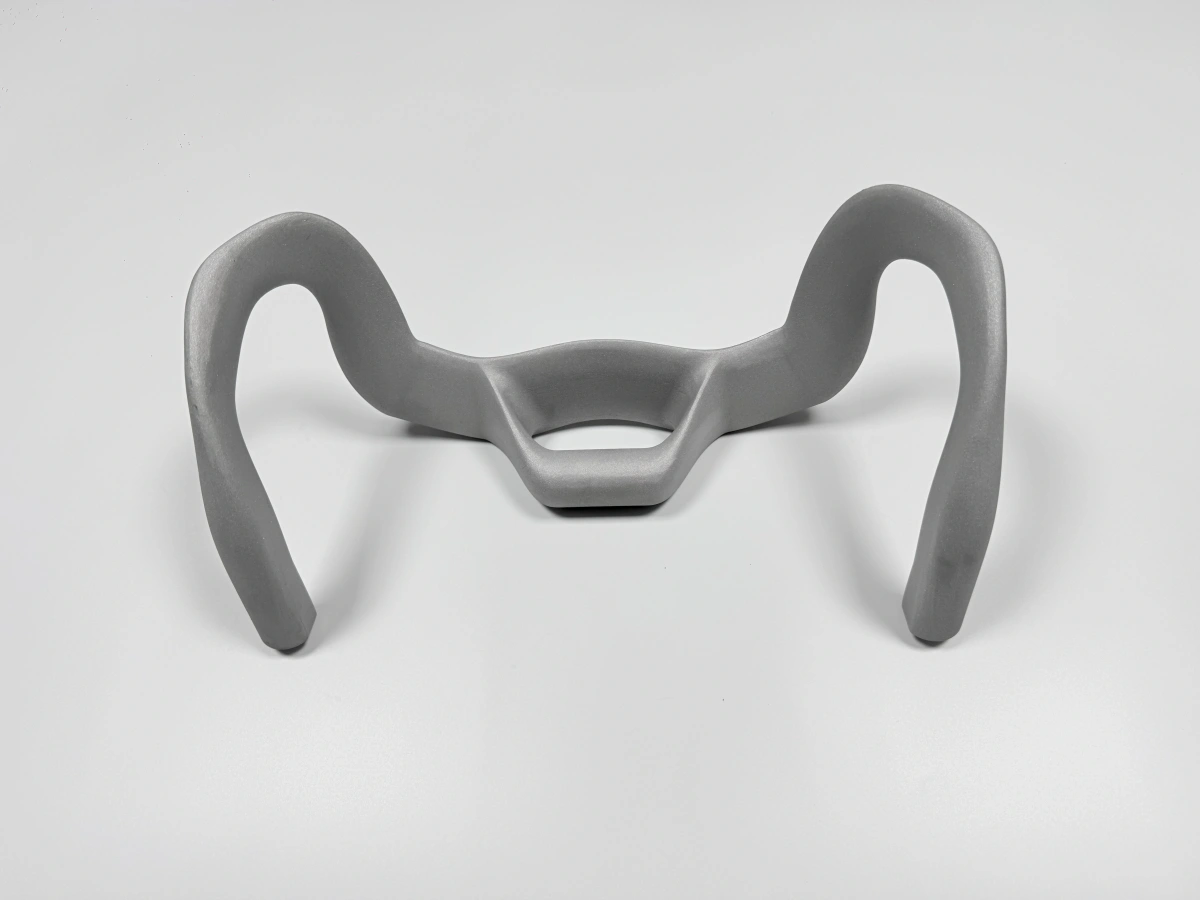
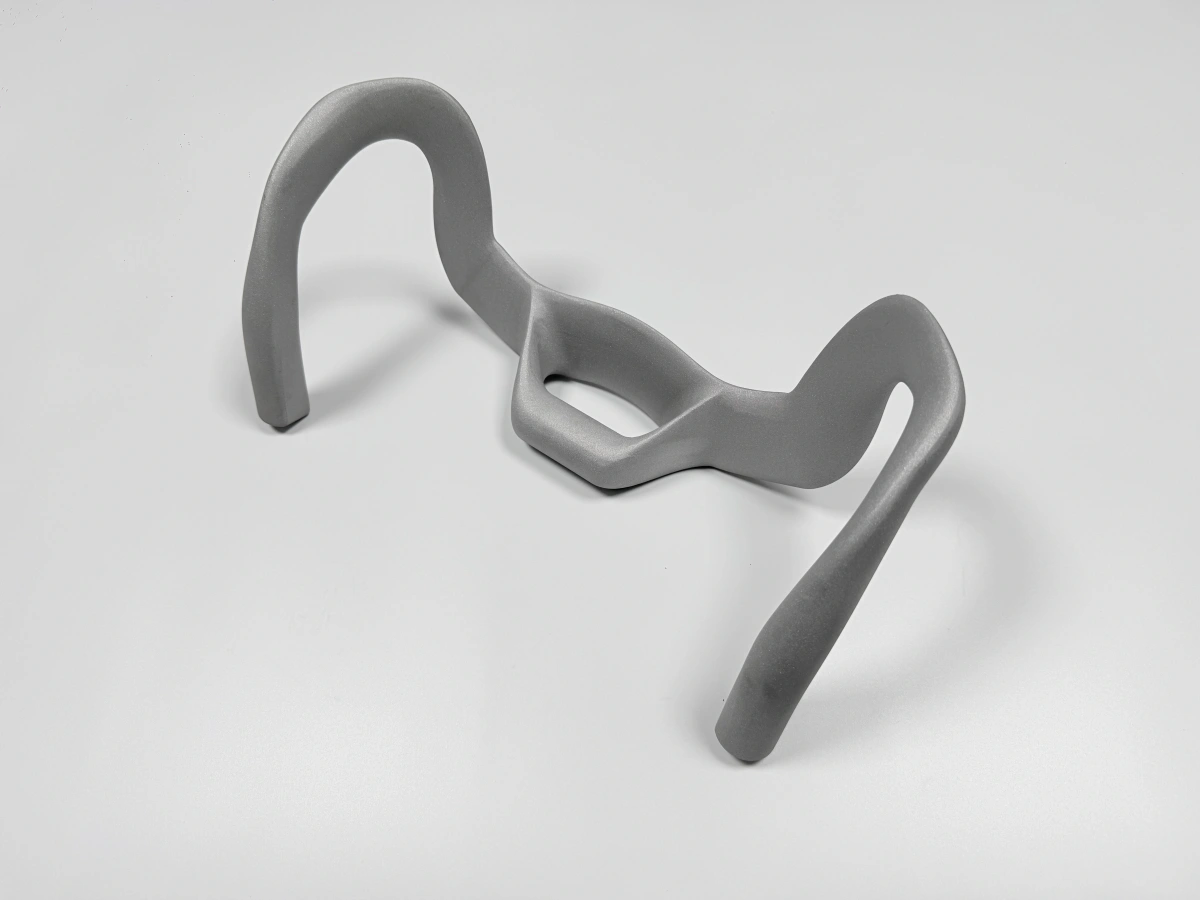
Why Printed Titanium Needs Stress Relief Before Support Removal
Residual stress sets the first boundary for this purchase because it affects material availability, build route, and which downstream operation is worth pricing. If support constraint is only mentioned in an email, the quote can miss the feature that actually controls acceptance.
For this topic, Neway separates printed-shape feasibility from finished-part responsibility. Stress relief may require build orientation review, support access, machining stock, or a treatment stage before the part is ready for assembly. Relevant pages for this scope include Heat Treatment, Titanium 3D Printing, Ti-6Al-4V titanium printing, CNC Machining, Hot Isostatic Pressing HIP.
Support removal should be tied to a visible feature: a bore, mounting face, sealing land, internal passage, fatigue-sensitive edge, thermal interface, or coated zone. That connection lets engineering decide whether the requirement belongs in the base quote or in an optional risk-control line.
For thin-wall titanium work, the order of operations should be discussed before the first build. Stress relief before aggressive support removal may reduce later movement, while final CNC is usually reserved for datums, bores, sealing faces, and threaded interfaces after thermal movement has been considered. If the buyer wants both a fast prototype and a production-intent route, those scopes should be separated in the RFQ.
When Annealing, Aging, or HIP Enters the Titanium Route
Support constraint is not a stand-alone label on the purchase order. It changes powder or feedstock choice, thermal history, removal access, and the evidence that should accompany the delivered part. The difference is especially important when prototype approval must lead into repeat lots.
When stress relief is present, the drawing should show which surfaces remain as-built and which surfaces will be finished. support removal can move the route toward CNC, EDM, polishing, HIP, heat treatment, coating, CT, CMM, or leak review depending on the part function.
The useful comparison is between finished scopes, not raw build prices. rough machining may look like a small note, but it can decide whether the supplier is quoting a near-net blank, a machined interface part, or a documented component ready for buyer inspection.
residual stress decision | support constraint manufacturing effect | stress relief acceptance risk | quote note |
|---|---|---|---|
residual stress | Defines the material or process route that should be reviewed before a price is compared. | The wrong assumption can shift the part from a printed blank to a finished component package. | Show the controlling requirement on the drawing or specification. |
stress relief | Changes build orientation, access for support removal, or stock left for machining. | A hidden functional face may need CNC, EDM, polishing, or masking after printing. | Mark the surface, bore, channel, or interface that controls acceptance. |
rough machining | May be mandatory for risk control or only useful as an optional quote line. | Unpriced treatment or reporting scope can change both cost and release timing. | Separate required operations from optional engineering risk controls. |
machining tab | Connects inspection to the feature that can fail assembly or qualification review. | A generic report may not prove the requirement that purchasing must accept. | Request the specific dimensional, material, surface, leak, CT, or CMM evidence. |
Stress Relief Sequence Before CNC Finishing
Stress relief usually changes the manufacturing plan through geometry, not through wording alone. Thin ribs, enclosed channels, broad flat faces, datum pads, support scars, and inaccessible holes all create different risks from the same material request.
Neway reviews support removal together with the expected acceptance method. If rough machining must be verified after heat treatment, coating, or final machining, the inspection stage should be named before PO release rather than discovered after the first build.
When a titanium part has threaded inserts, bearing seats, or sealing faces, those features should not be treated as as-printed dimensions unless the drawing clearly allows it. The safer review is to leave stock, complete the required thermal step, remove supports without damaging datum areas, and then finish-machine the surfaces that control assembly.
Datum pads are also a supplier comparison issue. A low price may exclude machining, treatment, surface preparation, or records that another supplier includes. The RFQ should ask each supplier to state exclusions so purchasing is comparing the same deliverable.
Distortion and Datum Risks After Support Removal
Support removal can be suitable for additive manufacturing when the printed route removes tooling, combines features, or keeps a complex geometry manufacturable at low quantity. The same route may be a poor fit for a simple plate, shaft, flange, or block that CNC can finish with fewer operations.
When rough machining appears in the requirement, engineering should check whether access exists for powder removal, support removal, finishing tools, or inspection probes. datum pad can be the difference between a practical build and a design revision request.
Machining tabs should not be left as a generic note. The drawing should identify where they apply, whether they are mandatory, and whether they must be verified by a record. That keeps the price tied to real work instead of broad assumptions.
Mechanical Property Evidence Before Rough Machining
Rough machining affects risk in a different way from bulk material choice. The important question is whether the feature is structural, thermal, conductive, sealing, cosmetic, or only a temporary prototype requirement.
If datum pad is critical, the route may need extra stock, a stable datum strategy, or a treatment stage before final finishing. If machining tab is exploratory, a simpler prototype scope may be enough, subject to drawing and application review.
Thin-wall distortion should be confirmed before release because it changes handwork, machine time, inspection method, and sometimes the sequence of operations. Late changes can turn a validated prototype path into a new manufacturing plan.
Quote Inputs for Heat-Treated Titanium Finished Scope
For a dependable quotation, send the STEP model, current 2D drawing, material grade, quantity, revision level, prototype or repeat-production stage, and the working environment. Mark critical dimensions, datum references, machined surfaces, threads, bores, sealing faces, contact areas, internal passages, and any surface where cosmetic finish is not the acceptance rule.
Also state whether heat treatment, HIP, CNC machining, EDM, coating, polishing, leak testing, conductivity review, CMM, CT, material records, or other reports are mandatory or only requested as optional quote lines. For aerospace, medical, energy, or other controlled applications, provide the customer specification and acceptance criteria; manufacturing support does not replace customer qualification or regulatory validation.
If the requirement is still changing, ask for the quotation to separate printed blank, functional prototype, and finished component scope. That split helps the buyer see which cost belongs to residual stress, which risk comes from support constraint, and which operation is driven by stress relief. It also gives engineering a clean path to revise the design before machining stock, treatment sequence, or inspection records are locked into the purchase order.
When the scope is uncertain, ask Neway to quote required operations and optional risk controls separately. This helps purchasing compare a raw printed blank, a partially finished prototype, and a fully accepted low-volume part without hiding machining, treatment, coating, or reporting cost inside a vague line item.
Related FAQs
Can Ti 6al 4v Tc4 Be 3D Printed for Functional Titanium Parts
How Does Heat Treatment Improve the Mechanical Properties of 3D Printed Metals
Is Ta15 Titanium Suitable for Aerospace 3D Printed Structural Parts
What Post Processing Is Required for Titanium Alloy 3D Printed Parts
Which Titanium Alloy Is Best for 3D Printed Parts Tc4 Ta15 or Grade 23