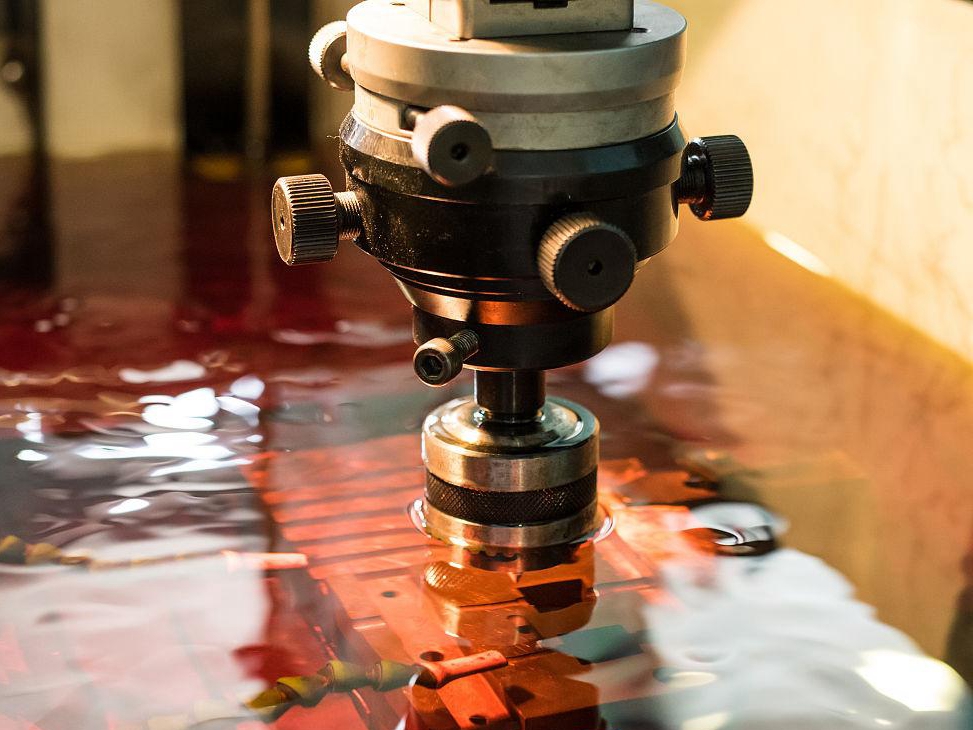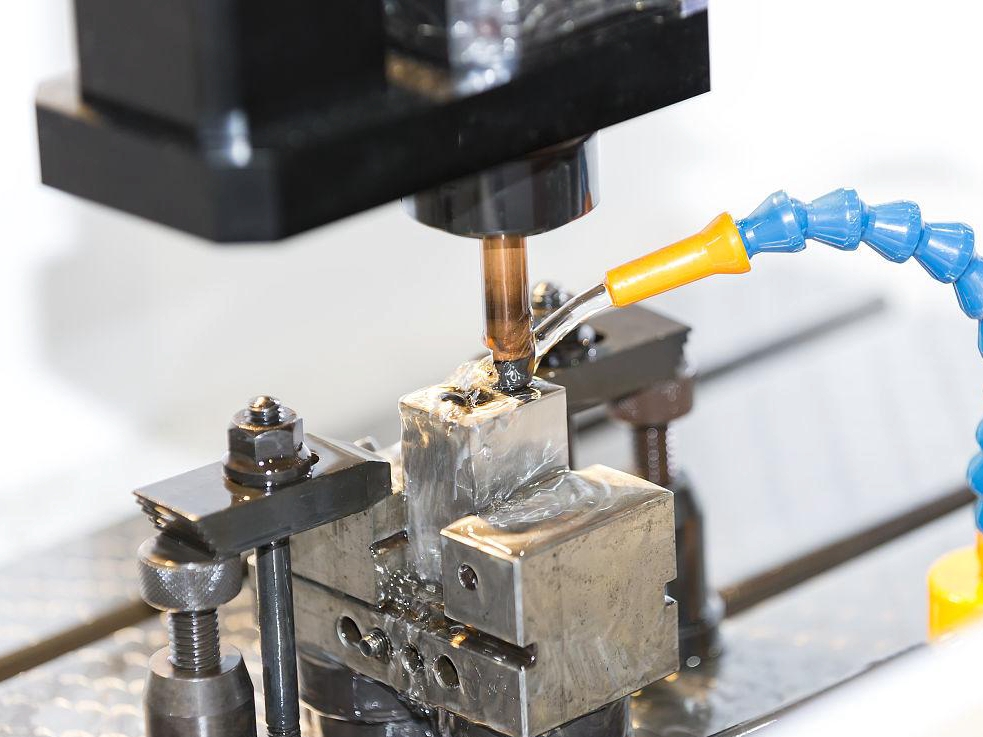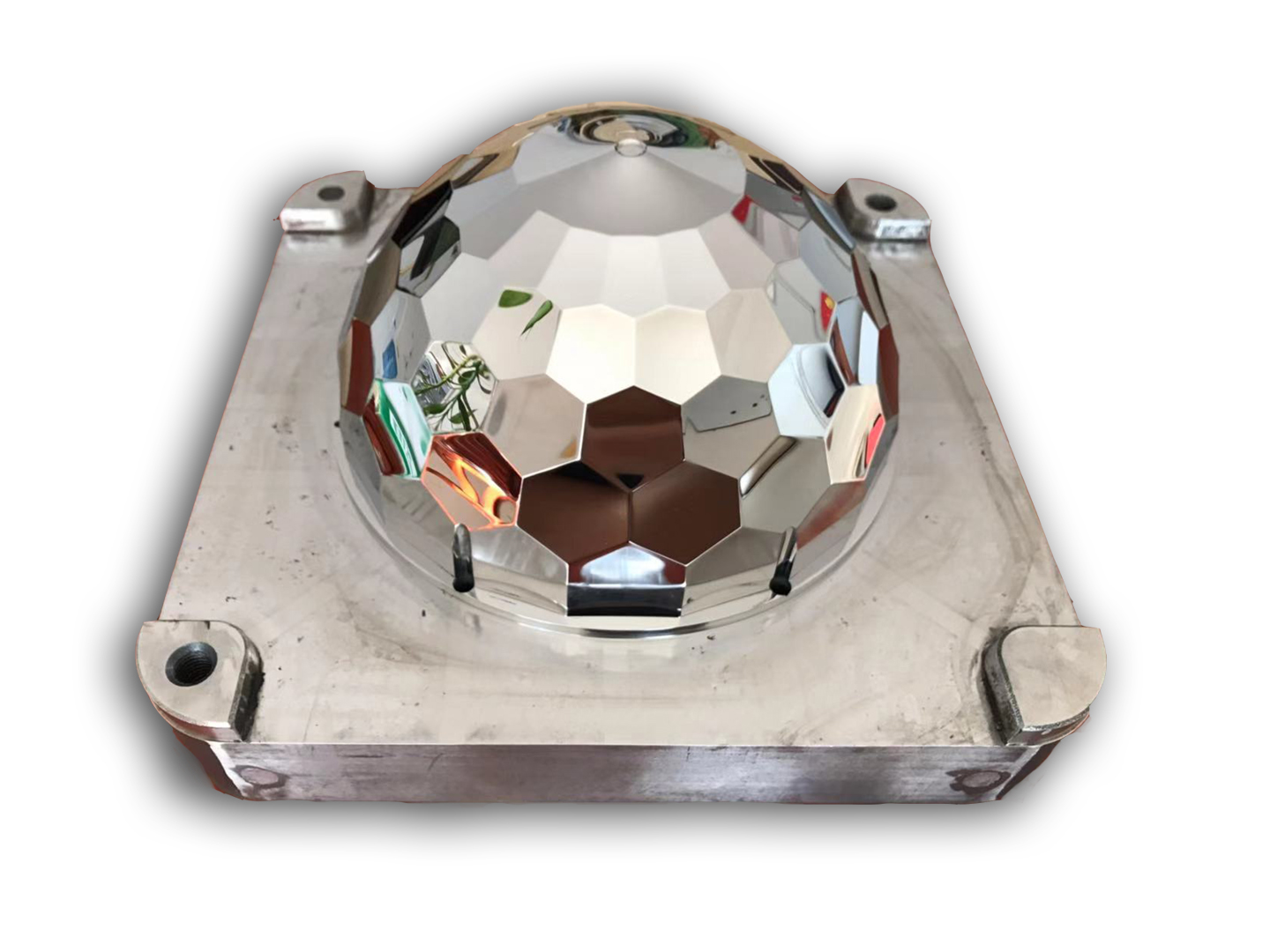
What post-processing steps are typically used for EDM parts?
What post-processing steps are typically used for EDM parts?
EDM parts commonly need a controlled sequence of cleaning, deburring or edge treatment, recast or surface review, dimensional inspection, and sometimes polishing, heat treatment, coating, or sealing. The correct sequence depends on whether the part was produced by wire EDM or sinker EDM, the alloy and printed condition, the dielectric, the required roughness, and the service failure mode. Post-processing is not a cosmetic afterthought: it can remove a recast layer, change a datum, open a blocked channel, or alter a surface that was already accepted.
Cleaning and Incoming Review
Remove dielectric residue, loose debris, wire fragments, electrode particles, and handling contamination using a method compatible with the alloy and internal geometry. Internal channels may need pressure flushing, filtered fluid, drying, and borescope or flow verification. Do not assume that an outside surface inspection proves an internal passage is clean. Record the cleaning chemistry, concentration, temperature, time, rinse, drying, and any restriction on residue.
After cleaning, compare critical datums and features with the pre-EDM and post-EDM records. For a thin printed component, inspect flatness and spring-back after release from the fixture. For a deep sinker-EDM cavity, inspect bottom, corner, and sidewall conditions separately. The EDM service route should identify the dielectric and cleaning sequence in the RFQ when residue or internal access is a risk.
Surface and Recast Treatment
Whether the recast layer is retained or removed depends on the drawing, material, fatigue risk, sealing function, and later finishing. Light polishing, abrasive finishing, electropolishing, or controlled machining can reduce roughness, but each can remove material unevenly and change a critical edge or datum. A coating may improve wear or corrosion resistance, but it adds thickness and requires surface preparation and adhesion verification. If a fatigue-sensitive surface receives polishing, inspect for residual cracks and confirm the final profile.
Heat treatment after EDM is possible for some alloys, but its temperature, atmosphere, ramp, dwell, cooling, and fixture must be selected for the material. It can change hardness, stress, microstructure, and dimensions. Use heat treatment only when the sequence is part of the approved process plan, then remeasure the critical features in the final condition. A post-process that improves one property can create a new distortion or surface issue.
Material and Application Examples
For a titanium aerospace bracket, a suitable sequence may include dielectric cleaning, dimensional inspection, recast review, stress or heat-treatment review, and final profile verification. For a hardened tool-steel insert, the sequence may add polishing of the sinker cavity and roughness measurement before a coating. For a nickel-based printed part, the buyer may require a sectioned witness coupon or surface inspection because the alloy and thermal history influence recast acceptance. The material documentation should keep the alloy condition separate from the surface-treatment record and the final acceptance state.
For a sealing feature, verify leakage with the actual mating material, pressure, fluid, temperature, and dwell. For a fatigue feature, verify surface condition and the component load spectrum rather than relying only on Ra. For a cosmetic feature, define light, viewing distance, color, and allowable marks. Each application needs a different acceptance path.
Release and RFQ Checklist
Provide CAD and revision, alloy and lot, printed orientation, as-built and heat-treatment states, EDM method, dielectric, critical feature and datum, allowance, roughness, recast or HAZ limit, internal cleaning requirement, coating or polishing plan, quantity, final condition, and measurement method. Request cleaning records, parameter records, heat-treatment records, surface or metallographic evidence where required, dimensional inspection, and functional testing. Define what happens when a criterion is missed: contain, remeasure, rework, request an engineering deviation, or reject.
EDM post-processing is successful when every operation has a reason tied to a failure mode. Cleaning controls residue, surface treatment controls the specified texture or recast, heat treatment controls a documented material state, and inspection confirms the delivered geometry. The final part should be released only after the complete sequence has been measured under the condition named on the drawing.
High-consequence uses need an explicit qualification boundary. For an aerospace part, define whether the post-EDM surface enters a fatigue-critical load path and require the applicable material, recast, dimensional, and functional evidence before production release. For a medical-development part, define cleaning, sterilization, surface contact, and device-development status before selecting polishing, coating, or heat treatment; a prototype result does not by itself approve a clinical device. For a tooling insert, define the coating thickness, polishing allowance, and cavity acceptance map so surface treatment does not move a critical datum. In every case, the final report should show the complete sequence, measured condition, responsible reviewer, and disposition of any failed criterion.
For an aerospace seal land, choose cleaning and surface inspection first when residue or recast could affect leakage, then verify pressure and dwell with the actual mating hardware. For a medical-development feature, choose polishing or coating only after the surface-contact and sterilization conditions are documented, then verify dimensions and surface condition after the complete sequence. For a hardened tooling cavity, choose polishing after sinker EDM when roughness and corner geometry control function, then compare the final map with the drawing.
A post-process record should separate as-EDM, cleaned, polished, coated, and heat-treated states. If a surface or dimension fails, contain the part and identify whether rework, remeasurement, engineering review, or rejection is appropriate. The final report is part of the product evidence, not merely an administrative attachment.
For RFQ preparation, request the electrical discharge machining edm after the buyer defines the material state, quantity, and required verification method.
For final release, compare the CNC machining service with the inspection record, service condition, and disposition of any unresolved risk.