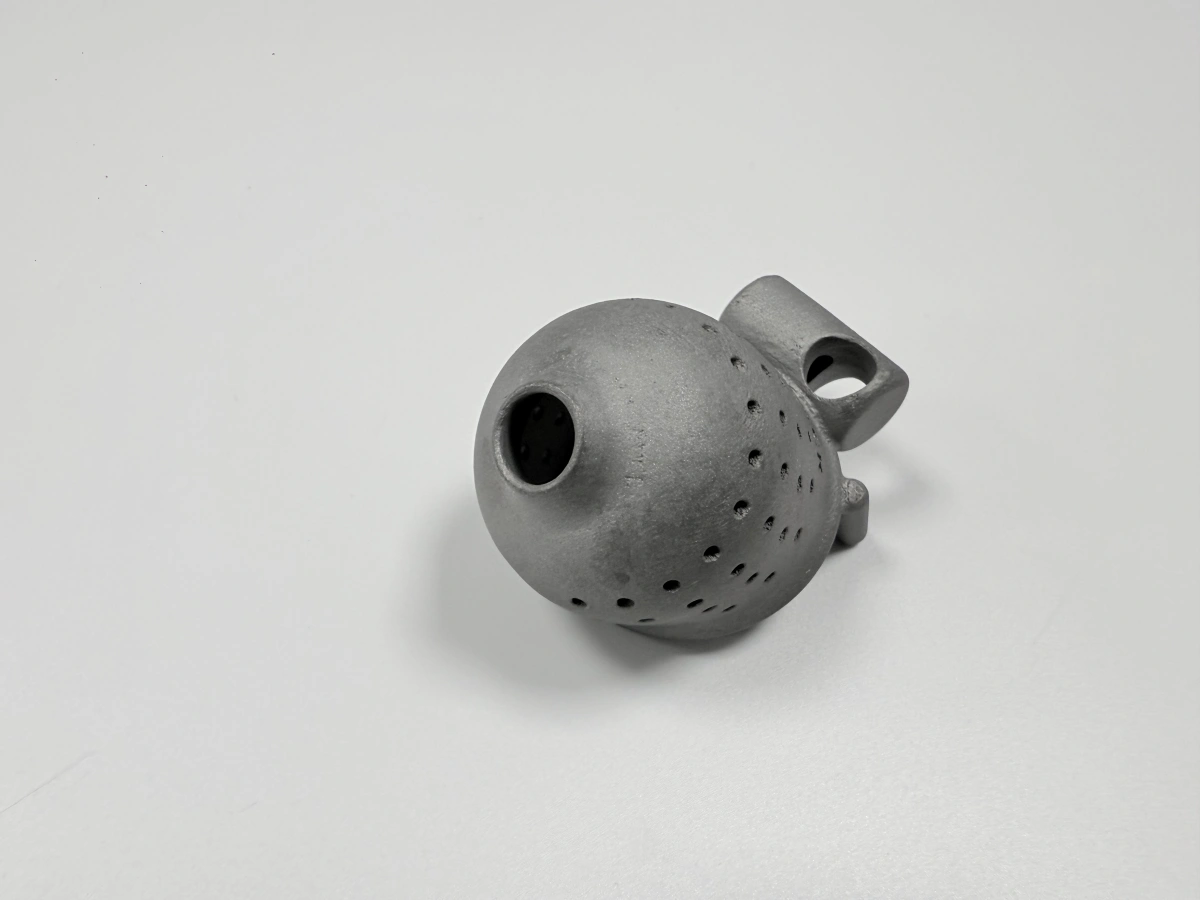
What materials are commonly used in WAAM?
Overview of Materials in WAAM
Wire Arc Additive Manufacturing (WAAM) is a metal additive manufacturing process that uses wire feedstock and an electric arc as the heat source to build parts layer by layer. Compared with powder-based systems, WAAM materials are typically supplied in wire form, which offers advantages in cost, handling safety, and deposition efficiency.
Manufacturers working with professional 3D Printing Service providers often select WAAM materials based on weldability, mechanical performance, and application requirements. Because WAAM belongs to the Directed Energy Deposition category, it is particularly well suited for structural metals that can be reliably deposited using arc welding principles.
In broader manufacturing workflows, WAAM is frequently used alongside technologies such as Powder Bed Fusion, Material Extrusion, Vat Photopolymerization, and Binder Jetting to address different material and geometry requirements.
Stainless Steel Alloys
Stainless steels are among the most widely used materials in WAAM due to their excellent weldability, corrosion resistance, and mechanical strength.
For example, Stainless Steel SUS316 is commonly used in industrial and marine environments because of its resistance to corrosion and chemical exposure.
Stainless steels are frequently applied in structural components, pressure vessels, and industrial equipment where durability and reliability are critical.
Titanium Alloys
Titanium alloys are widely used in WAAM for applications requiring high strength-to-weight ratio and corrosion resistance. These materials are particularly important in aerospace and high-performance engineering applications.
A common choice is Ti-6Al-4V (TC4), which provides excellent mechanical properties and lightweight performance.
Titanium WAAM components are often used in aerospace structures, defense applications, and high-end industrial systems where weight reduction is essential.
Nickel-Based Superalloys
Nickel-based superalloys are used in WAAM for high-temperature and high-stress environments. These materials maintain strength and resist oxidation at elevated temperatures.
For example, Inconel 718 is widely used in turbine components and aerospace systems because of its excellent creep resistance and thermal stability.
Another commonly used alloy is Inconel 625, which provides strong corrosion resistance in harsh chemical environments.
For extreme thermal applications, alloys such as Haynes 230 are used due to their oxidation resistance and long-term durability.
Aluminum Alloys
Aluminum alloys are used in WAAM for lightweight structural applications where corrosion resistance and good mechanical performance are required.
These materials are commonly used in aerospace, transportation, and industrial applications where reducing weight can significantly improve performance and efficiency.
Although aluminum can be more challenging to process due to its thermal conductivity and oxidation behavior, advances in WAAM process control have made it increasingly viable for large-scale additive manufacturing.
Carbon and Tool Steels
Carbon steels and tool steels are also widely used in WAAM, particularly for heavy-duty industrial components and tooling applications.
For example, AISI 4140 is commonly used for structural components due to its strength and toughness.
In tooling applications, materials such as Tool Steel H13 provide high wear resistance and thermal stability, making them suitable for molds and dies.
Post-Processing and Material Optimization
WAAM parts often require post-processing to optimize mechanical properties and achieve final dimensions. Precision finishing operations such as CNC Machining are typically used to refine critical features.
Thermal treatments such as Heat Treatment can improve microstructure, reduce residual stress, and enhance material performance.
For components exposed to extreme environments, advanced coatings such as Thermal Barrier Coatings (TBC) can further improve heat resistance and durability.
Industries Using WAAM Materials
The versatility of WAAM materials makes them suitable for a wide range of industries.
The Aerospace and Aviation industry uses WAAM for structural components, lightweight parts, and repair applications.
The Energy and Power sector uses WAAM materials to produce turbine components, pressure vessels, and high-temperature equipment.
In Manufacturing and Tooling, WAAM materials are used to produce molds, dies, and custom industrial components.
Conclusion
WAAM supports a wide range of metal materials, including stainless steel, titanium alloys, nickel-based superalloys, aluminum alloys, and carbon steels. These materials enable the production of large, high-strength components for demanding industrial applications.
By combining suitable material selection with post-processing and process optimization, WAAM provides a cost-effective solution for large-scale metal additive manufacturing.
.webp)