Which industries benefit the most from titanium 3D printing?
Which industries benefit the most from titanium 3D printing?
Industries benefit from titanium 3D printing when low density, corrosion resistance, custom geometry, patient-specific fit, or low-volume supply outweighs the cost of powder, qualification, and post-processing. Aerospace, medical, automotive, energy, marine, and tooling users have different requirements. Ti-6Al-4V or TC4, Grade 23 ELI, and TA15 should be selected from load, temperature, fluid, quantity, surface, inspection, and documentation rather than from an industry label. The final condition includes orientation, heat treatment, HIP, machining, and surface state.
Sector differences arise because titanium's thermal history, oxygen level, phase balance, and surface defects interact with each application's load and environment. A qualified route can improve repeatability when the same grade, atmosphere, orientation, post-process condition, and inspection method are held within the project window.
Aerospace and Aviation
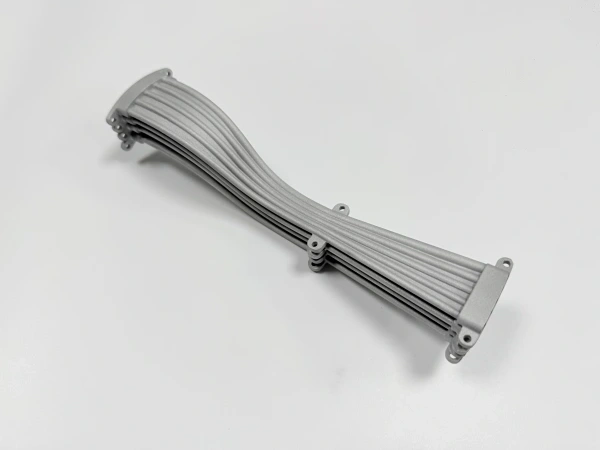
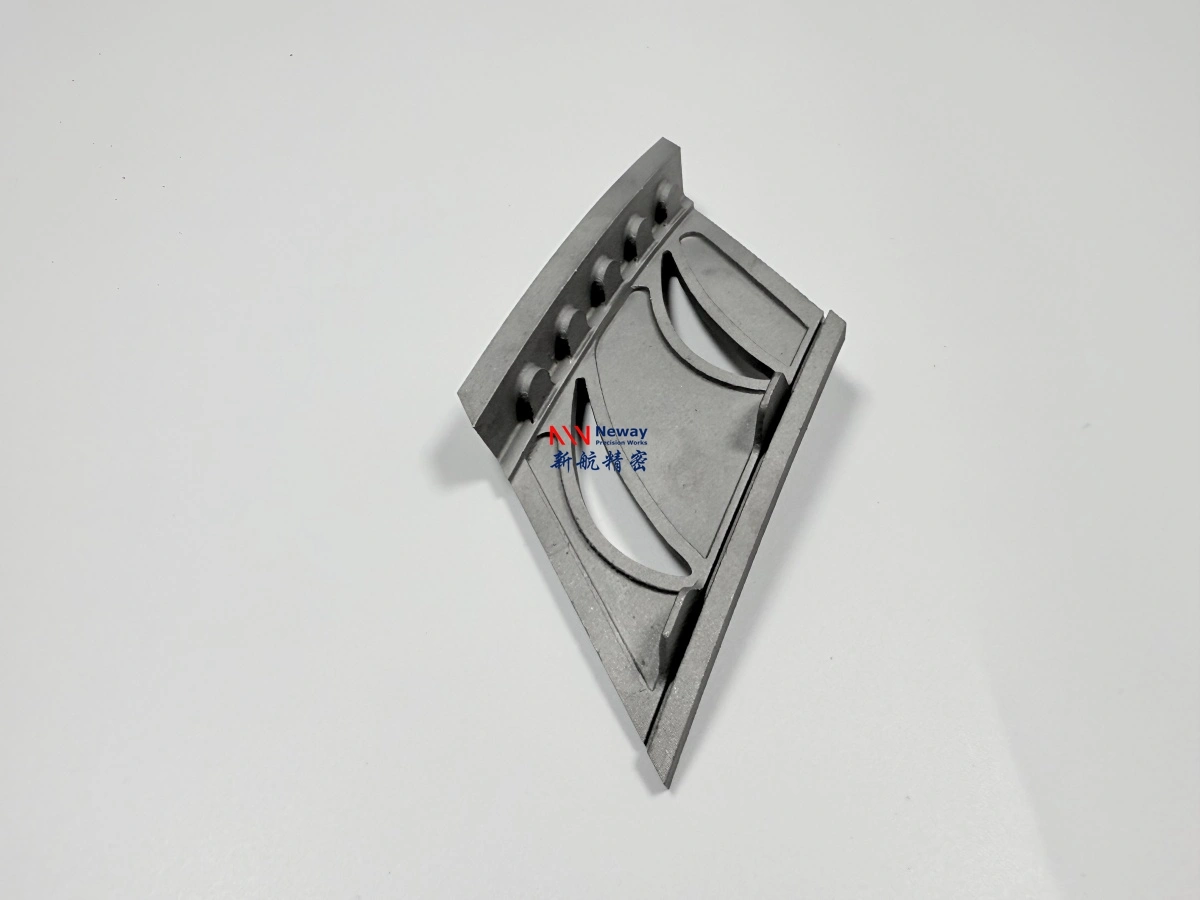
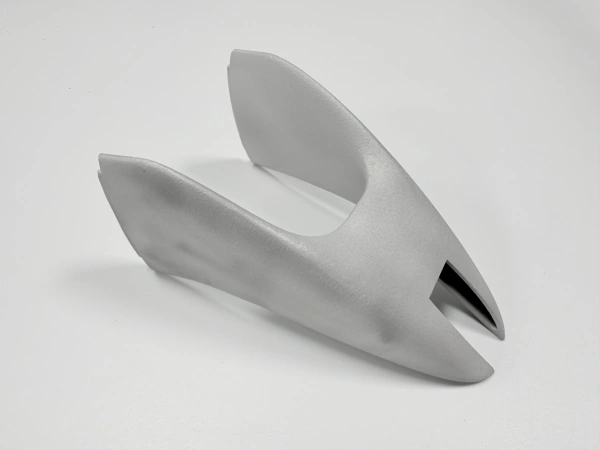
Aerospace teams may use LPBF or EBM titanium for brackets, ducts, sensor mounts, lightweight structures, and thermal-management features because a strength-to-weight benefit or part consolidation can justify the route. The mechanism is process-specific: powder-bed thermal history produces a directional microstructure, while oxygen control and heat treatment affect ductility, residual stress, and fatigue. For an aerospace bracket, choose Ti-6Al-4V only when the orientation, powder lot, build atmosphere, heat-treatment condition, machining, fatigue method, and NDT plan are covered by project-specific qualification; verify the final material state, dimensions, and critical surfaces. Industry adoption is not approval evidence.
Medical and Dental Applications
Medical users may consider titanium for patient-specific structures, porous features, surgical guides, and implant-related components. Grade 23 ELI can be screened where the specification and regulatory route require its interstitial and mechanical condition, but a grade name does not establish biocompatibility. Surface roughness, pore architecture, cleaning, sterilization, traceability, and biological evaluation must be defined. For a medical guide or implant-related part, select a titanium route only after project-specific qualification defines material, process, surface, cleaning, sterilization, inspection, and acceptance criteria; verify the final geometry and surface. A general medical example is not approval evidence.
Automotive, Energy, and Marine Uses
Automotive and motorsport teams may select LPBF for lightweight brackets, ducts, and test hardware when low quantity, packaging, or rapid iteration matters. Energy or marine users may evaluate titanium for heat-management parts, corrosion-exposed components, or replacement hardware when the fluid, temperature, pressure, and galvanic environment are known. DED can be relevant to a large repair or feature addition, but dilution, bond quality, and machining stock need separate control. For an automotive bracket, choose the route when the mass or packaging value is quantified; verify fit, vibration, fatigue, and final interfaces. For a marine or energy component, choose the grade only when fluid and corrosion evidence are specified; verify the exposed surface and functional test.
Tooling, Robotics, and Research
Tooling and robotics users may value titanium's low density for custom fixtures, lightweight arms, sensor housings, and experimental hardware. Research programs may use LPBF, EBM, or DED to explore lattices, graded structures, or thermal routing. The mechanism still imposes support, powder-removal, orientation, and inspection limits, and a research build is not automatically a production qualification. Select material extrusion or another polymer route for a low-load fixture when its thermal and stiffness boundary is suitable; select titanium only when the weight, corrosion, or load benefit has been measured.
Industry Selection and RFQ
Compare LPBF, SLM, DMLS, EBM, and DED by their thermal history, atmosphere, feature scale, surface, support, repair, and final inspection. Include Ti-6Al-4V or TC4, Grade 23 ELI, or TA15 grade, condition, powder or wire lot, orientation, heat treatment, HIP, machining, surface, and acceptance test. Titanium 3D printing is a route decision, not merely a material selection.
Provide drawing revision, quantity, build envelope, critical feature, load, temperature, fluid, pressure, vibration, surface, tolerance, cleaning or sterilization, documentation, schedule, and approval authority. Request chemistry and atmosphere records, build data, heat or HIP records, dimensional and surface reports, CT or NDT, tensile or fatigue method, functional results, deviations, and final disposition. Release the application only for the condition supported by that evidence.
When comparing material capability, use the titanium 3D printing service after the required property and section condition for this answer are fixed.
When planning the next process step, review the powder-bed fusion service against the final geometry, inspection access, and release evidence described here.