What industries benefit most from titanium alloy 3D printing?
What industries benefit most from titanium alloy 3D printing?
Titanium alloy 3D printing benefits industries that need high specific strength, corrosion resistance, biocompatibility, and the ability to manufacture complex lightweight geometries. Compared with traditional machining or casting, additive manufacturing makes it easier to produce integrated titanium parts with internal structures, weight-saving designs, and faster development cycles.
1. Aerospace and Aviation
Aerospace and Aviation is one of the industries that benefits most from titanium alloy additive manufacturing because aircraft and spacecraft systems demand lightweight parts with high strength and corrosion resistance.
Lightweight brackets and supports
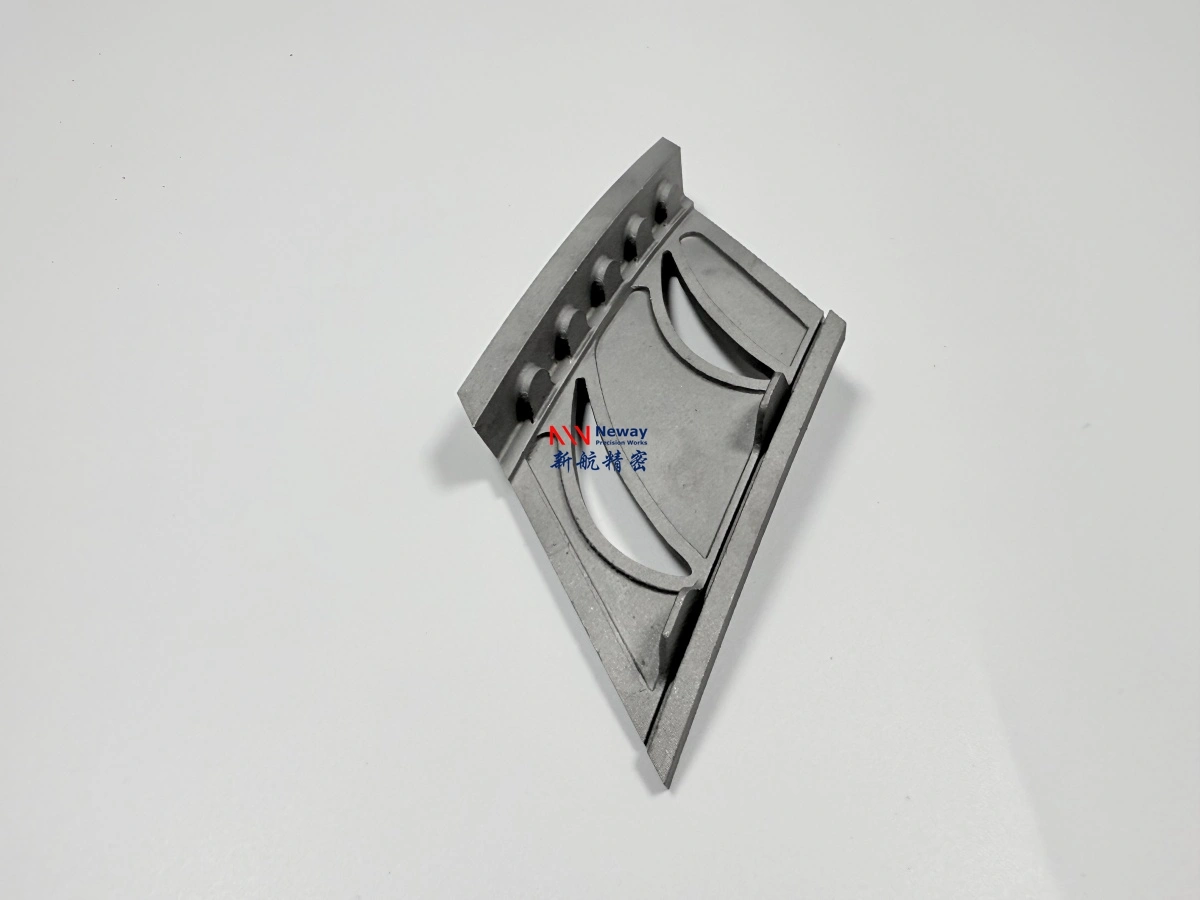
Engine and airframe structural parts
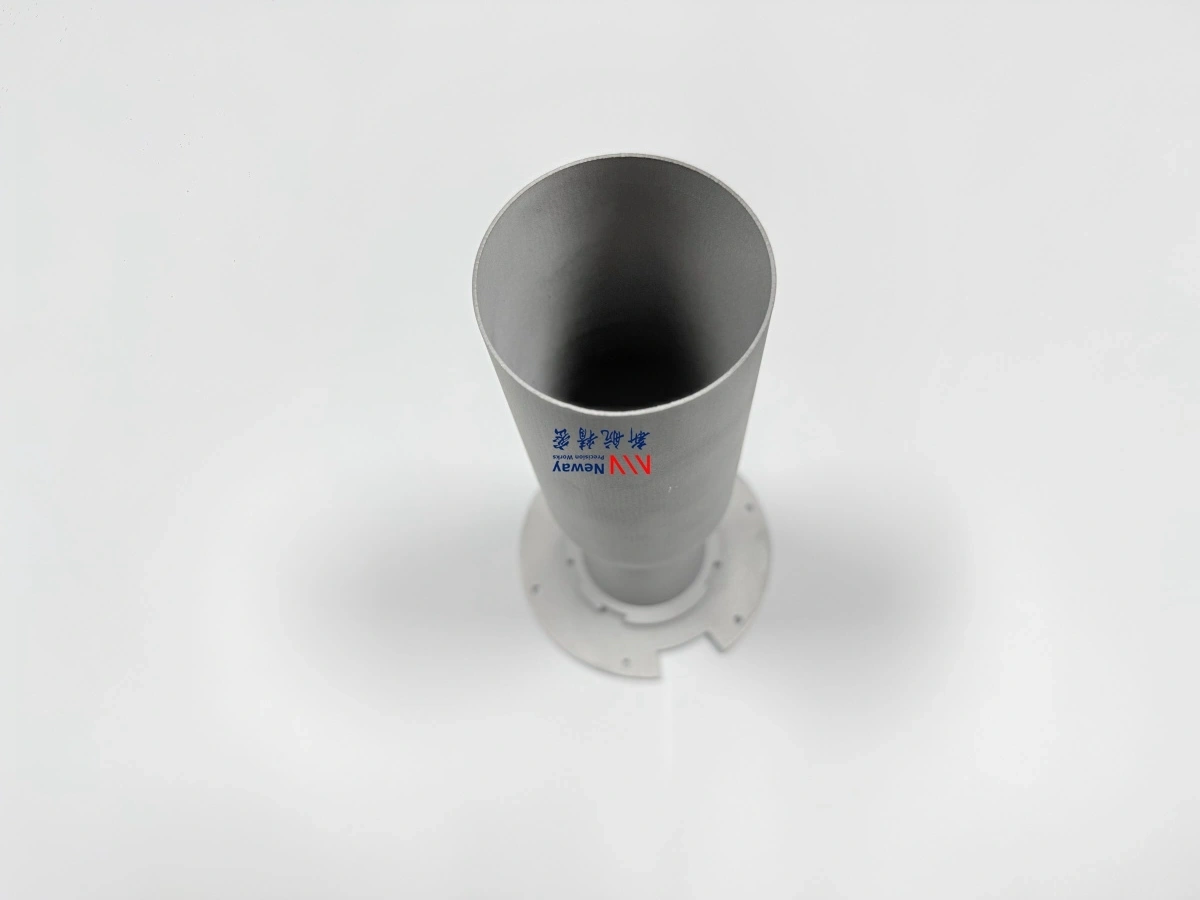
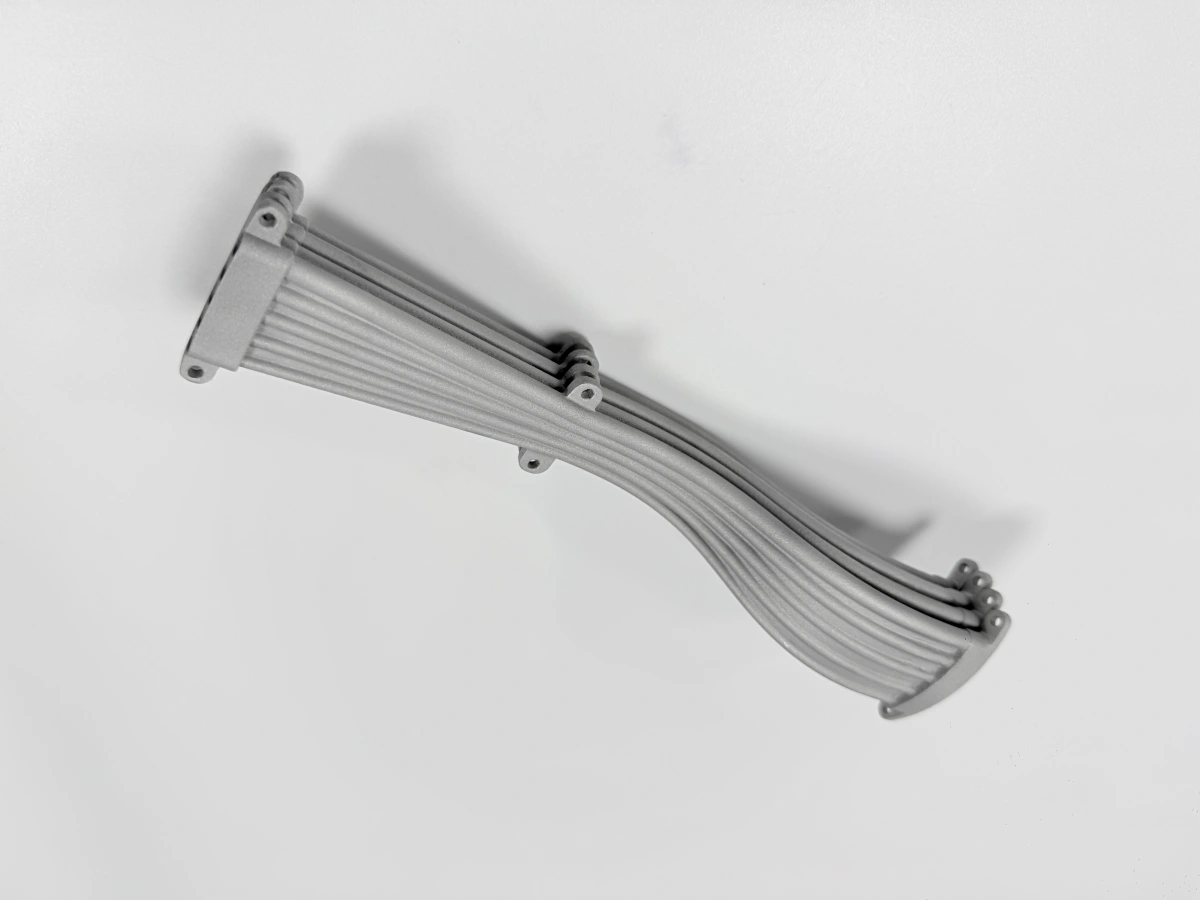
Complex housings and ducts
Topology-optimized flight hardware
Titanium alloys help reduce component weight while maintaining structural performance, making them highly attractive for fuel efficiency and payload optimization.
2. Medical and Healthcare
Medical and Healthcare is another major beneficiary because titanium alloys combine biocompatibility, corrosion resistance, and excellent mechanical performance.
Orthopedic implants
Dental components
Surgical tools
Patient-specific medical devices
Materials such as Ti-6Al-4V ELI (Grade 23) are especially suitable for high-reliability and implant-related applications.
3. Automotive
Automotive companies benefit from titanium alloy 3D printing when they need lightweight, high-strength parts for performance vehicles, motorsport, and specialized low-volume production.
Lightweight suspension and support parts
Performance brackets and housings
Thermally exposed structural components
Prototype and limited-production high-value parts
The ability to reduce mass while maintaining strength is especially valuable in racing, EV performance optimization, and advanced vehicle development.
4. Energy and Power
Energy and Power applications benefit from titanium alloy AM where corrosion resistance, thermal performance, and structural reliability are required.
Corrosion-resistant flow components
Lightweight high-performance hardware
Custom parts for demanding thermal or chemical environments
Specialized support structures for advanced power systems
Titanium is especially useful where stainless steel is too heavy or where more aggressive environments demand better corrosion resistance.
5. Robotics
Robotics benefits from titanium alloy 3D printing because robotic systems often need strong yet lightweight parts with complex geometry.
Structural frames and arms
Precision housings
Lightweight joints and connectors
Custom end-effectors and motion components
Reducing weight while keeping rigidity high can improve speed, efficiency, and control accuracy in robotic systems.
6. Education and Research
Education and Research also benefits from titanium alloy 3D printing, especially for prototype development, advanced materials research, and functional experimental hardware.
Prototype test parts
Experimental structural components
Research fixtures and instruments
Custom lightweight engineering assemblies
Additive manufacturing enables faster iteration for research teams working on advanced engineering concepts.
7. Manufacturing and Tooling
Manufacturing and Tooling can also benefit from titanium alloy additive manufacturing for specialized fixtures, lightweight tooling, and custom functional parts.
High-strength jigs and fixtures
Lightweight production tools
Custom support hardware
Complex tooling for difficult process environments
Although steel remains more common for many tooling applications, titanium is valuable when weight reduction and corrosion resistance are more important.
8. Industry Comparison Table
Industry | Main Benefit from Titanium Alloy AM | Typical Parts |
|---|---|---|
Aerospace and Aviation | Lightweight high-strength structures | Brackets, housings, airframe and engine parts |
Medical and Healthcare | Biocompatibility and precision customization | Implants, surgical devices, dental components |
Automotive | Weight reduction with high performance | Performance supports, housings, structural parts |
Energy and Power | Corrosion resistance and reliability | Flow components, supports, specialized hardware |
Robotics | Strong lightweight moving structures | Frames, joints, housings, connectors |
Education and Research | Fast functional prototyping | Test parts, fixtures, experimental hardware |
Manufacturing and Tooling | Lightweight custom tooling | Fixtures, tools, special production hardware |
9. Summary
The industries that benefit most from titanium alloy 3D printing are aerospace and aviation, medical and healthcare, automotive, energy and power, robotics, education and research, and manufacturing and tooling. Among these, aerospace and medical applications are often the strongest use cases because they gain the most value from titanium’s combination of low weight, high strength, corrosion resistance, and design freedom.
For more related information, see titanium 3D printing, titanium alloy, and custom titanium 3D printed solutions.