English

What industries benefit the most from using 3D printing for superalloy parts?

Table of Contents
What Industries Benefit the Most from Using 3D Printing for Superalloy Parts?
Aerospace and Aviation
Power Generation and Energy
Medical and Surgical Equipment
Automotive and Motorsport
Chemical and Marine Industries
Customer-Oriented Solutions and Services

What Industries Benefit the Most from Using 3D Printing for Superalloy Parts?

Aerospace and Aviation

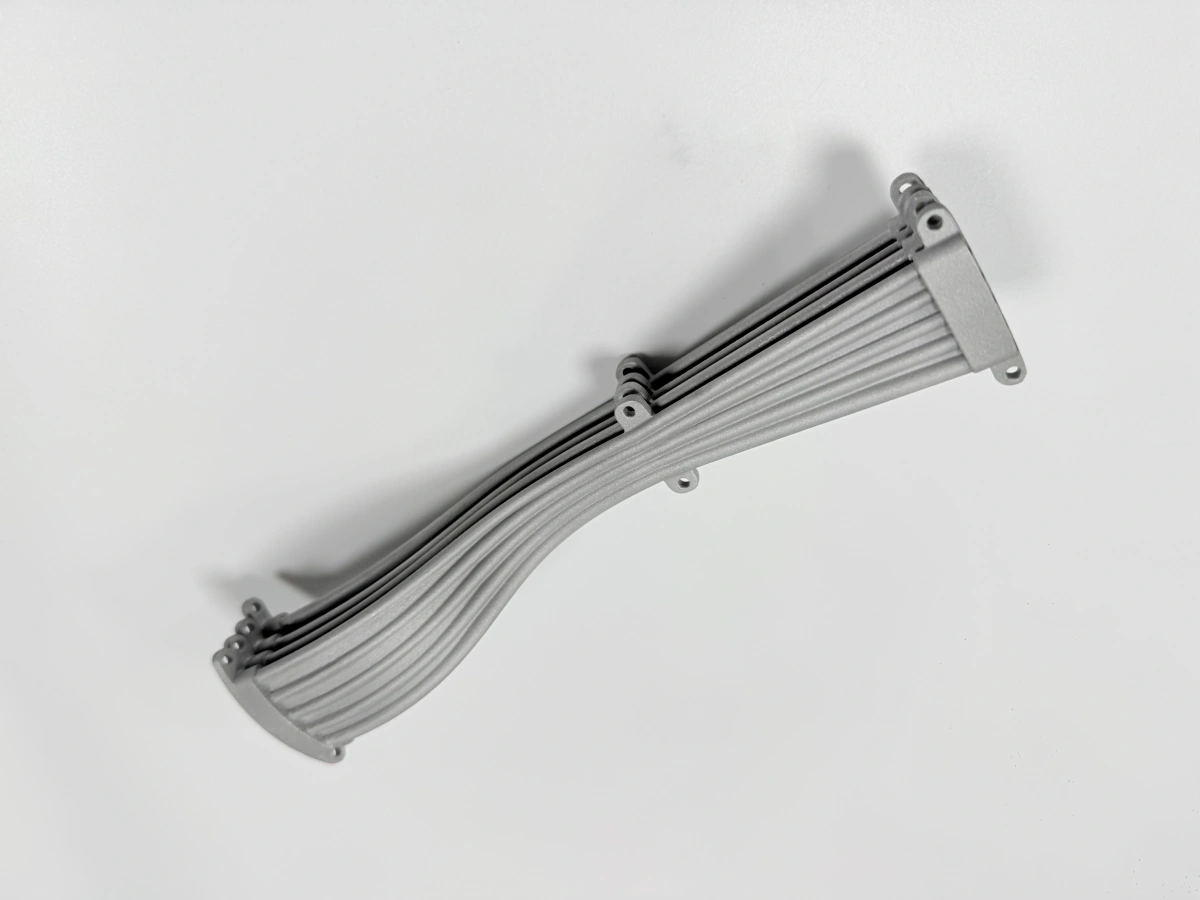
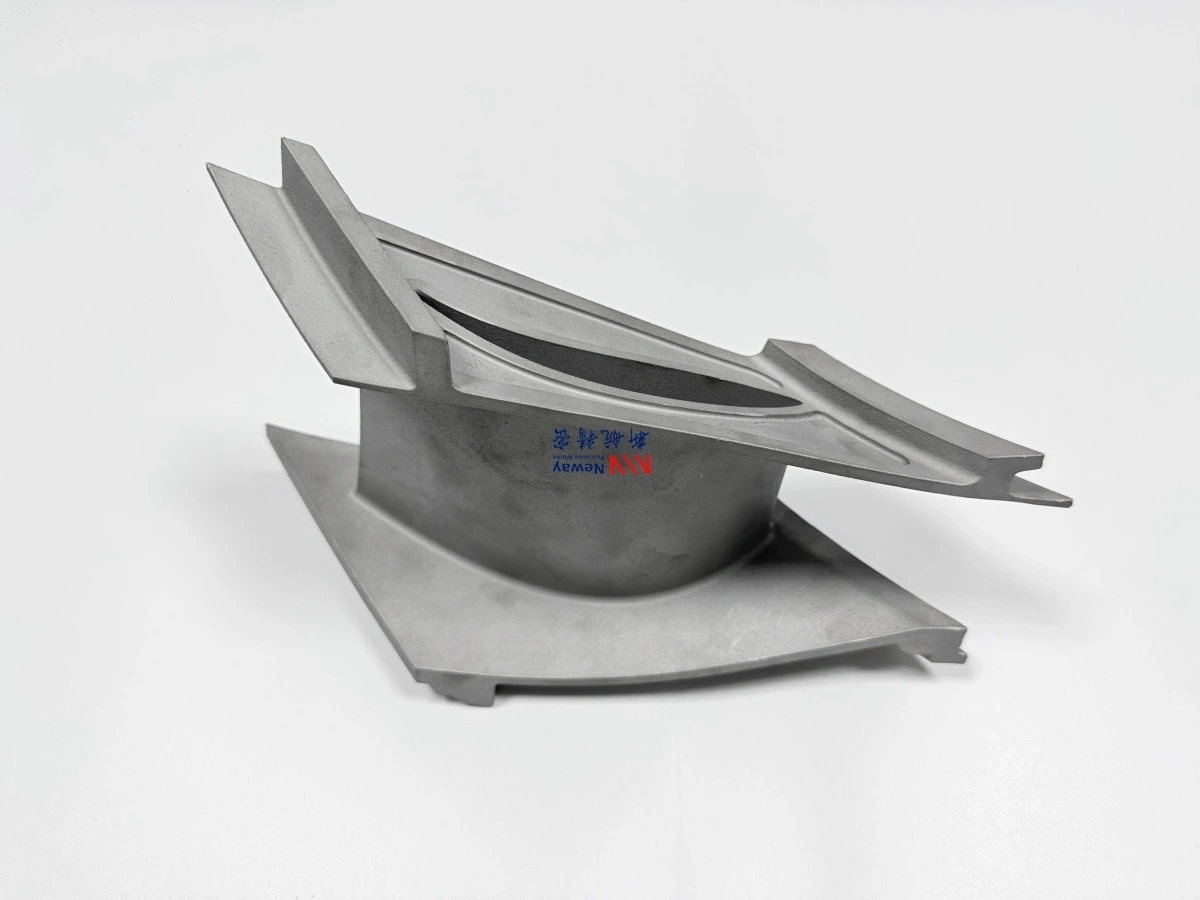
Aerospace and aviation gain substantial value where printed superalloys enable internal cooling, part consolidation, reduced mass, or low-volume hot-section geometry. Candidate parts include combustor hardware, fuel nozzles, heat exchangers, brackets, and development tooling. Inconel 718, Hastelloy X, and Haynes 230 serve different strength, oxidation, creep, and fabricability needs; they do not share one operating-temperature limit. Flight use requires alloy- and route-specific qualification, traceability, heat treatment, machining, NDE, mechanical data, and change control. Power-generation and energy programs can benefit from compact heat exchangers, combustor development parts, repair tooling, and flow hardware when pressure, temperature, oxidation, creep, and inspectability are addressed together. Chemical and marine applications may value corrosion-resistant passages or low-volume replacement geometry, but fluid compatibility, pressure integrity, cleaning, and code obligations can dominate the decision. Motorsport may accept shorter program lives and faster design iteration, yet it still needs fatigue, thermal-cycle, and dimensional evidence for a safety-relevant part. Specialized medical or industrial tooling uses must separately evaluate wear, corrosion, cleanability, sterilization exposure, and any applicable regulatory controls; a superalloy designation does not establish biological suitability.

Power Generation and Energy

Superalloy parts printed with technologies like EBM and SLM offer superior performance in turbines, heat exchangers, and high-stress load paths in nuclear and gas power systems. Their ability to resist creep, corrosion, and thermal fatigue makes alloys like Haynes 188 and Rene 41 critical for long-term operation.

Medical and Surgical Equipment

Selected corrosion- and wear-resistant alloys can support surgical instrument, orthopedic tooling, and implant-manufacturing fixtures when the exact grade, surface, cleaning, and exposure are qualified. Stellite 6B may be evaluated for wear-facing tools or fabrication fixtures, but its use does not establish patient-contact biocompatibility or implant approval. Separate tooling performance from finished-device material and regulatory requirements.

Automotive and Motorsport

High-performance engine components such as turbocharger housings, exhaust manifolds, and fuel nozzles benefit from superalloy 3D printing. Inconel 625 and Hastelloy C-276 offer superior resistance to heat and corrosive exhaust gases, making them suitable for motorsport-grade thermal management solutions.

Chemical and Marine Industries

Corrosive fluid environments in chemical plants and marine systems demand parts resistant to pitting, crevice corrosion, and acid exposure. DMLS-produced parts from Hastelloy and Inconel extend service life and reduce downtime in valves, pump impellers, and pipe fittings.


Customer-Oriented Solutions and Services

The industries that benefit most are those where temperature, corrosion, wear, or geometry creates enough value to justify powder-bed manufacturing and qualification: aerospace, power generation, chemical processing, marine systems, motorsport, and specialized medical or industrial tooling. A sound business case compares the additive route with machining, investment casting, fabrication, and repair on the same delivered condition. Count development builds, supports, powder removal, heat treatment, HIP, machining, coating, inspection, rejected parts, documentation, and continuity risk, not only print time. For aerospace or energy flow hardware, confirm that channel geometry can be manufactured, cleaned, inspected, pressure tested, and connected without leaving unacceptable surface defects. For chemical or marine service, match the alloy and final surface to the actual fluid, concentration, temperature, velocity, crevice condition, and cleaning chemistry. For motorsport, distinguish short development duty from released safety-critical service. Medical tooling and equipment need separate biological, cleanliness, sterilization, and regulatory review; additive manufacture does not provide those approvals automatically. An RFQ should identify the environment, loads, life, alloy standard, quantity, critical features, post-processing, inspection, reports, and regulatory constraints. It should define whether internal geometry can be inspected, whether surfaces remain as built, how passages are cleaned, which defects are unacceptable, and what data releases each batch. Ask for a control plan that links each critical feature to its manufacturing risk, inspection method, sample frequency, and reaction. Require revision, machine, material lot, build, heat-treatment, and final-part traceability at the level appropriate to the application. Qualification should follow the consequence of failure. A low-risk development fixture may need dimensional and material confirmation, while pressure, rotating, flight, hot-section, or patient-related hardware can require process qualification, destructive evidence, NDE, cleaning validation, and formal change control. Identify who owns design authority, who approves deviations, and whether machine, parameter revision, powder source, orientation, thermal source, or inspection method may change without approval. Packaging and contamination controls also matter for clean passages, coated surfaces, and parts awaiting joining. This separates a credible application from a broad industry claim and gives the supplier enough information to propose test coupons, prototypes, or staged qualification before production.

  1. 3D Printing Technologies: compare laser powder bed fusion, any supported electron-beam route, binder jetting, directed energy deposition, and conventional manufacturing against the same released requirements. Ask for machine-alloy evidence, build and support strategy, powder-removal access, thermal route, machining allowance, NDE coverage, witness specimens, accepted yield, capacity, and change controls. The selected process should solve the industry's actual part problem rather than merely demonstrate that the alloy can be printed.

    • Access advanced metal printing with EBM, SLM, and DMLS.

  2. Superalloy Material Selection:

    • Browse our full range of superalloys, including Inconel, Hastelloy, Haynes, Stellite, and Rene series.

  3. Industry Solutions: