What Tolerances Can AlSi10Mg 3D Printed Parts Achieve After CNC Machining?
AlSi10Mg is a practical candidate for lightweight aluminum parts with complex geometry, internal features, prototypes, and selected low-volume production. Its suitability still depends on orientation, heat treatment, surface, humidity or temperature, load, and final inspection.
For an RFQ, state the alloy condition, process, wall and channel limits, critical surfaces, quantity, tolerance, service environment, and acceptance test. Verify the received state instead of using a generic datasheet value as release evidence.
Is AlSi10Mg a Good Material for Custom Aluminum 3D Printed Parts?
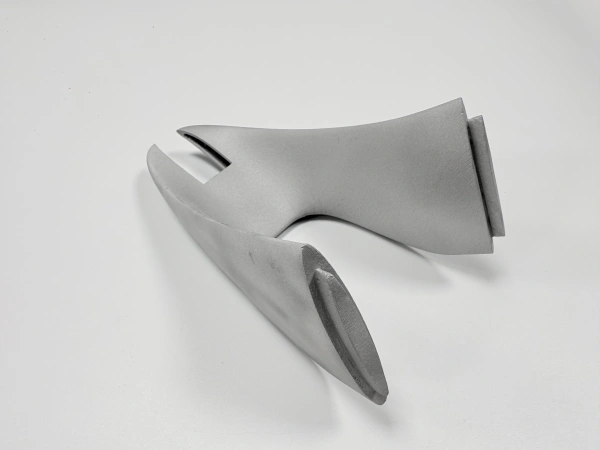
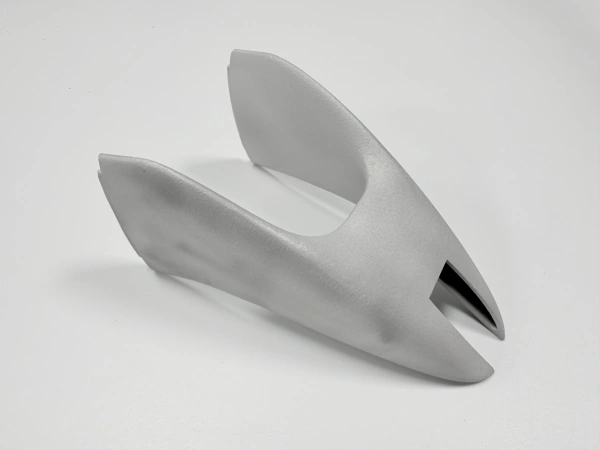
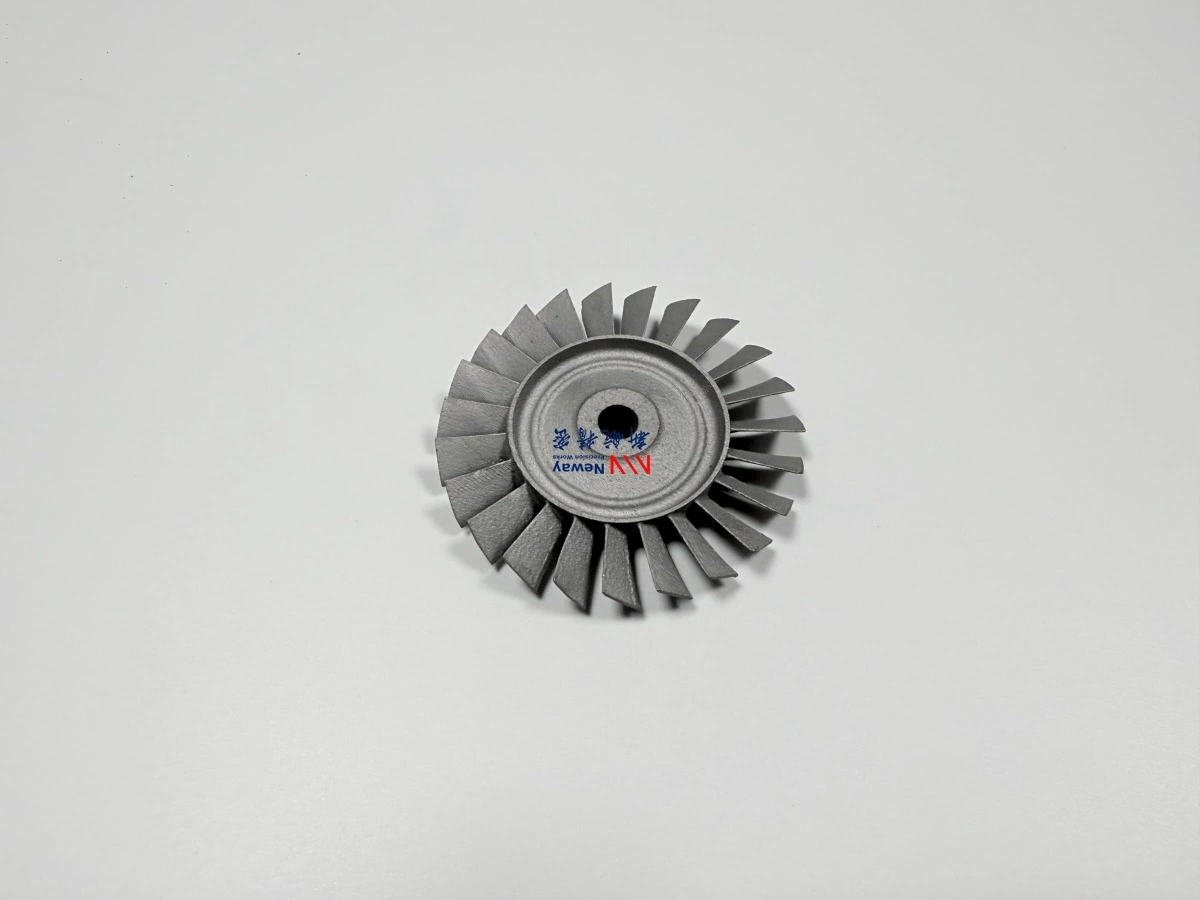
Yes. AlSi10Mg 3D printed parts are well suited for lightweight aluminum components, complex geometries, functional prototypes, and low-volume production parts. It is one of the most commonly used aluminum 3D printing materials because it offers good printability, low weight, and practical mechanical performance for engineering applications.
1. When Should You Use AlSi10Mg 3D Printing?
AlSi10Mg is a good choice when the part requires a combination of lightweight structure, design freedom, and faster production than traditional tooling-based manufacturing. It is especially suitable when CNC machining from solid aluminum would create high material waste or when the part includes complex internal or lightweight features.
Lightweight aluminum structural parts
Complex brackets and support components
Functional prototypes for design validation
Small-batch aluminum production parts
Parts requiring integrated features or topology optimization
2. Suitable Applications for Custom AlSi10Mg Parts
Application Type | Typical AlSi10Mg Printed Parts |
|---|---|
Lightweight structures | Brackets, supports, frames, mounting parts |
Housings and covers | Electronic housings, protective shells, compact enclosures |
Thermal components | Heat sinks, cooling plates, thermal management parts |
Fixtures and tooling | Jigs, inspection fixtures, lightweight assembly tools |
Robotics and automation | Robot arms, joints, sensor mounts, lightweight connectors |
Aerospace and automotive | Weight-saving brackets, ducting parts, prototype structural components |
3. Main Strengths of AlSi10Mg for 3D Printing
AlSi10Mg is widely used in additive manufacturing because it provides a strong balance between manufacturability and engineering performance. Compared with many aluminum alloys, it is easier to process by metal powder bed fusion and can produce stable printed geometries.
Good printability for complex aluminum parts
Low density for lightweight component design
Suitable for thin-wall and integrated structures
Good balance of strength, weight, and cost for functional prototypes
Useful for parts that require fast design iteration and small-batch production
For broader aluminum material options, customers can also review Aluminum alloys and 3D printing materials.
4. Limitations of AlSi10Mg Printed Parts
Although AlSi10Mg is a practical aluminum 3D printing material, it is not suitable for every requirement in the as-printed condition. Some functional areas usually need post-processing.
Limitation | Recommended Solution |
|---|---|
As-printed surface roughness | Use blasting, polishing, machining, or other finishing processes |
High-precision assembly faces | Reserve machining allowance for CNC post-machining |
Threaded holes | Print pilot holes and machine or tap threads after printing |
Sealing or bearing surfaces | Apply CNC machining, grinding, or polishing as required |
Highly loaded critical parts | Confirm heat treatment, inspection, and qualification requirements |
5. RFQ Checklist for Custom AlSi10Mg Parts
To receive an accurate custom AlSi10Mg parts quote, customers should provide complete technical information at the RFQ stage. This helps evaluate printability, cost, lead time, and post-processing requirements.
3D CAD file, preferably STEP, STL, 3MF, or X_T
2D drawing with tolerances, critical dimensions, threads, and surface requirements
Required quantity for prototype, small batch, or production
Application environment, load condition, and operating temperature
Required surface treatment, machining, or heat treatment
Inspection requirements such as dimensional report, material certificate, or CT/X-ray inspection
6. Summary
AlSi10Mg is a good material for custom aluminum 3D printed parts when the project requires lightweight design, complex geometry, functional prototyping, or low-volume production. It is especially useful for brackets, housings, heat sinks, fixtures, robotics structures, and aerospace or automotive lightweight components. However, precision surfaces, threaded holes, sealing faces, and cosmetic surfaces usually require post-processing or CNC finishing.
If you need custom AlSi10Mg printed parts, provide the 3D model, 2D drawing, quantity, tolerance requirements, surface treatment needs, and application environment so the most suitable manufacturing and finishing route can be evaluated. For early-stage validation, rapid prototyping can also help test the design before batch production.
AlSi10Mg is a candidate for complex lightweight aluminum parts, but suitability depends on the final heat-treatment state, orientation, wall and channel geometry, surface, humidity or temperature, load, quantity, and inspection plan. Compare a representative printed state with the service requirement rather than transferring a generic wrought-aluminum value. For a quote, identify whether the part is as-built, stress-relieved, heat-treated, machined, or coated.
AlSi10Mg remains a candidate only after the service environment and final state are defined. State whether the part will see fatigue, heat, humidity, corrosion, pressure, or repeated assembly, then choose orientation, treatment, surface, and inspection accordingly. A printed aluminum material value from a different orientation or heat-treatment state should be treated as screening information, not a release limit.