Which Parts Make Sense for Selective Laser Melting?
Our direct answer
Our answer is: it depends on the part function, acceptance requirement, and commercial scope, not only on the keyword. For selective laser melting service, we first check whether the buyer needs a raw printed part, a machined and finished component, or a qualified production item with records.
If the RFQ includes CAD, drawing, material, quantity, finish, lead time, and inspection expectations, Neway can usually give a sharper answer. If those details are missing, we can still review the concept, but the quote must carry assumptions that may change price or schedule.
Why the answer changes by part
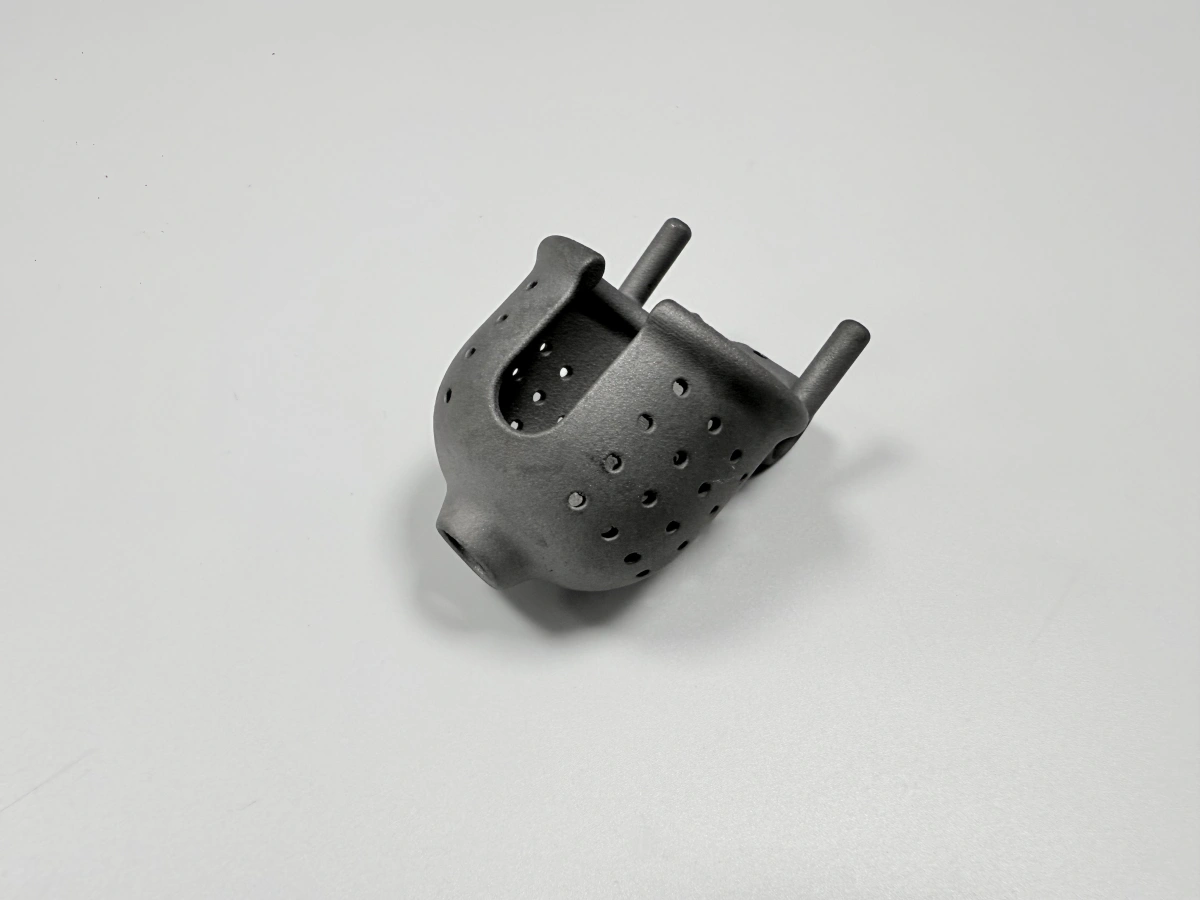
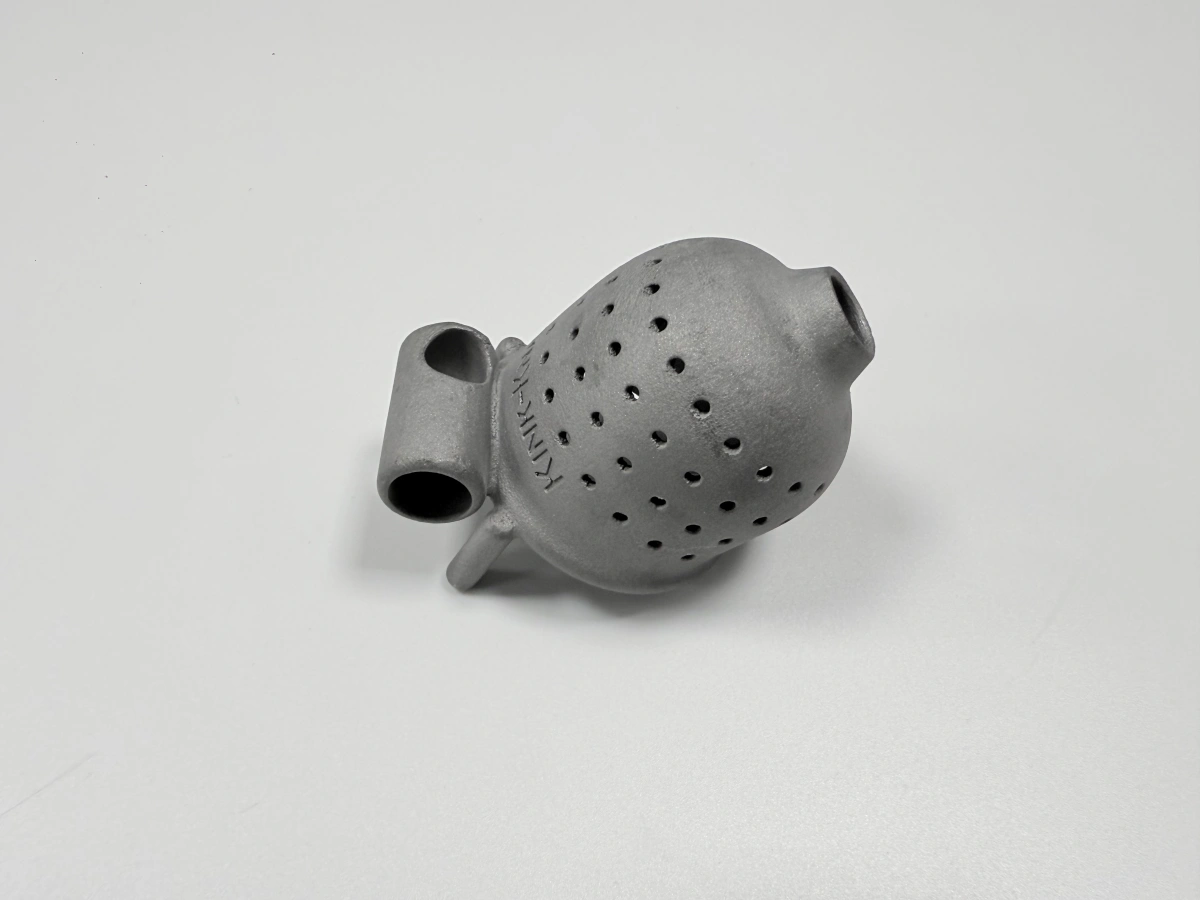
The point is not to make the buyer become a printing expert. The point is to let our engineering team separate real requirements from habits copied from machining drawings. That often opens a better route, especially when weight, heat, conductivity, corrosion, or low-volume production is the reason for additive manufacturing.
Cost review is also an engineering review. Powder use, machine time, support volume, heat treatment, HIP, CNC machining, surface treatment, and inspection are not separate surprises; they are part of the same manufacturing scope. When a buyer asks for which parts make sense for selective laser melting?, our team checks whether superalloy 3d printing or another downstream step will dominate the final price more than the printing operation itself.
RFQ details that matter
When we review selective laser melting service requests at Neway, we first decide whether the inquiry is a printable part, a finished component, or only an early cost check. That distinction matters because using SLM, DMLS, EBM, and PBF terms without checking machine route and alloy behavior can change the process route, the quote scope, and the delivery promise.
Supplier comparison should be based on equal scope. If one supplier quotes only printing and another includes stainless steel 3d printing, dimensional inspection, packaging, and material records, the lower unit price may not be the lower project cost. We recommend asking each supplier to identify excluded work, assumed tolerances, and the point where a drawing change would trigger re-pricing.
Supplier evidence to request
The fastest way to make supplier evidence to request useful is to remove guessing from the RFQ. We ask for the current CAD file, drawing revision, target alloy, order quantity, finish expectation, inspection level, and any customer standard before we comment on price.
For repeat work, we also look beyond the first delivery. The buyer may need the same route, same finish, same inspection method, and same packaging on later orders. That means we should record the build assumptions, post-processing sequence, and inspection plan. If the part may move from prototype to low-volume production, the RFQ should say that clearly.
Neway review note
Our team does not treat Powder Bed Fusion as a default answer. We compare it with adjacent routes, including Powder Bed Fusion and powder bed fusion, because the lower-risk path can change when the part gets larger, thinner, hotter, more cosmetic, or more tightly toleranced.
The best RFQs do not try to specify every manufacturing detail. They define the part function and acceptance requirement. Our engineering team can then recommend whether powder bed fusion, machining stock, heat treatment, HIP, surface finishing, or inspection records should be part of the quote. That is usually faster than forcing a process that does not fit the part.
Risk area | Evidence we want | Quote impact |
|---|---|---|
CAD and drawing | revision, units, datums, critical features | prevents wrong assumptions before pricing |
Material request | grade, substitute limits, certification need | changes alloy availability and lead time |
Geometry risk | thin walls, supports, enclosed channels, stock | drives process route and finishing effort |
Post-processing | heat treatment, HIP, CNC, EDM, surface finish | separates raw print cost from finished-part cost |
Acceptance | inspection method, report type, sampling level | defines what evidence ships with the order |
Commercial Scope We Would Confirm
Before we treat the inquiry as quote-ready, we would confirm four commercial points: identify any customer standard that controls acceptance; confirm whether the quote is for raw printed parts or finished parts; state which dimensions are critical and which follow general tolerance; define whether material certificates or inspection reports are required. These are not extra paperwork. They decide whether the price covers the real order or only a partial manufacturing step.
For which parts make sense for selective laser melting?, the buyer should also ask what would change the quoted price. A tighter tolerance, certified material, faster delivery, added HIP, extra inspection, or cosmetic finishing may be reasonable, but it should be visible. If those items stay hidden, the quote may look attractive while the project risk is simply postponed.
Neway review note
When buyers ask this question, we recommend sending the part files before locking the manufacturing route. Our engineering team can then flag printability, post-processing, inspection, and cost drivers before the order becomes difficult to change.