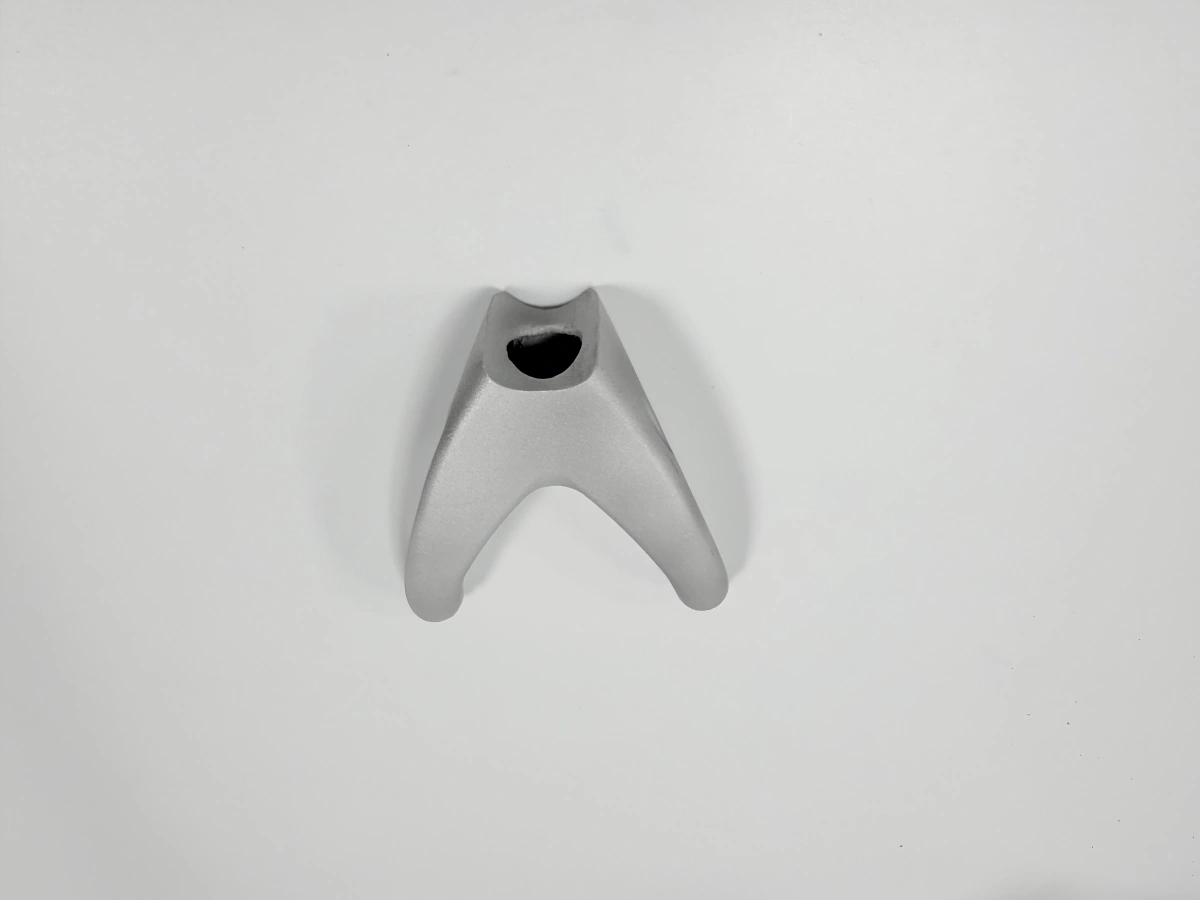
Binder Jetting vs Powder Bed Fusion for Parts
Buyers searching for binder jetting 3d printing usually need more than a quick unit price. They need an additive manufacturing partner that can review the CAD model, choose the right process, explain material and post-processing assumptions, and support repeatable delivery after the first build. This guide turns binder jetting vs powder bed fusion for parts into a practical sourcing workflow for purchasing teams, product engineers, and quality managers who need reliable 3D printed parts instead of vague printing promises.
The commercial intent behind this topic is clear: Purchasing team is choosing a production process. The safest approach is to connect part function, material behavior, process limits, finish expectations, inspection needs, and order quantity before asking suppliers to compete. For related capability context, buyers can compare binder jetting with directed energy deposition so the quote review focuses on process fit rather than only price. That framing helps prevent late clarification loops, missing post-processing, and avoidable production delays.
Because this page targets commercial investigation, it uses buyer-side checks rather than a generic definition of binder jetting 3d printing. The same logic also applies to related search terms such as binder jetting 3d printing, metal binder jetting, powder bed fusion 3d printing, additive manufacturing production parts. A good supplier discussion should show what is included, what still needs confirmation, where additive manufacturing risk exists, and how the supplier will control the part after the order is released.
Start With the Buying Problem
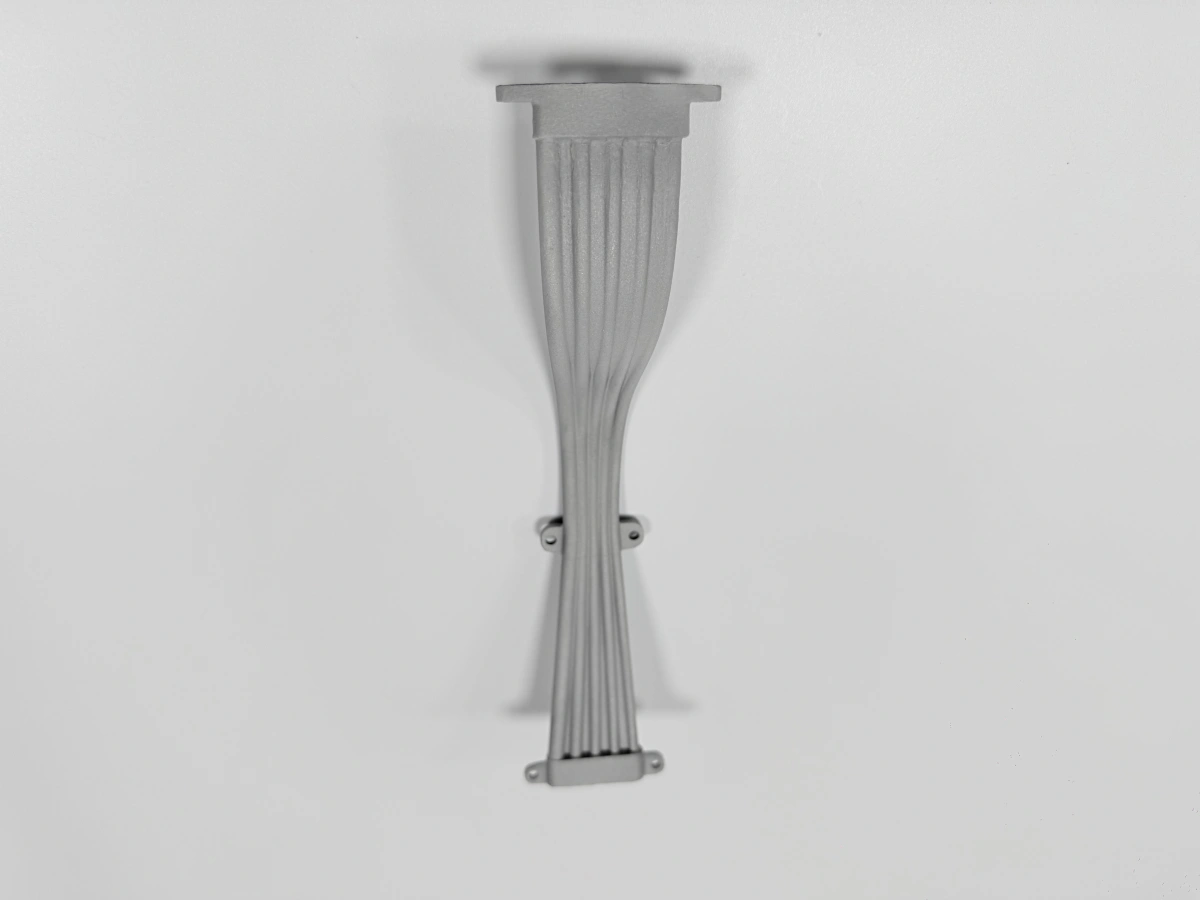
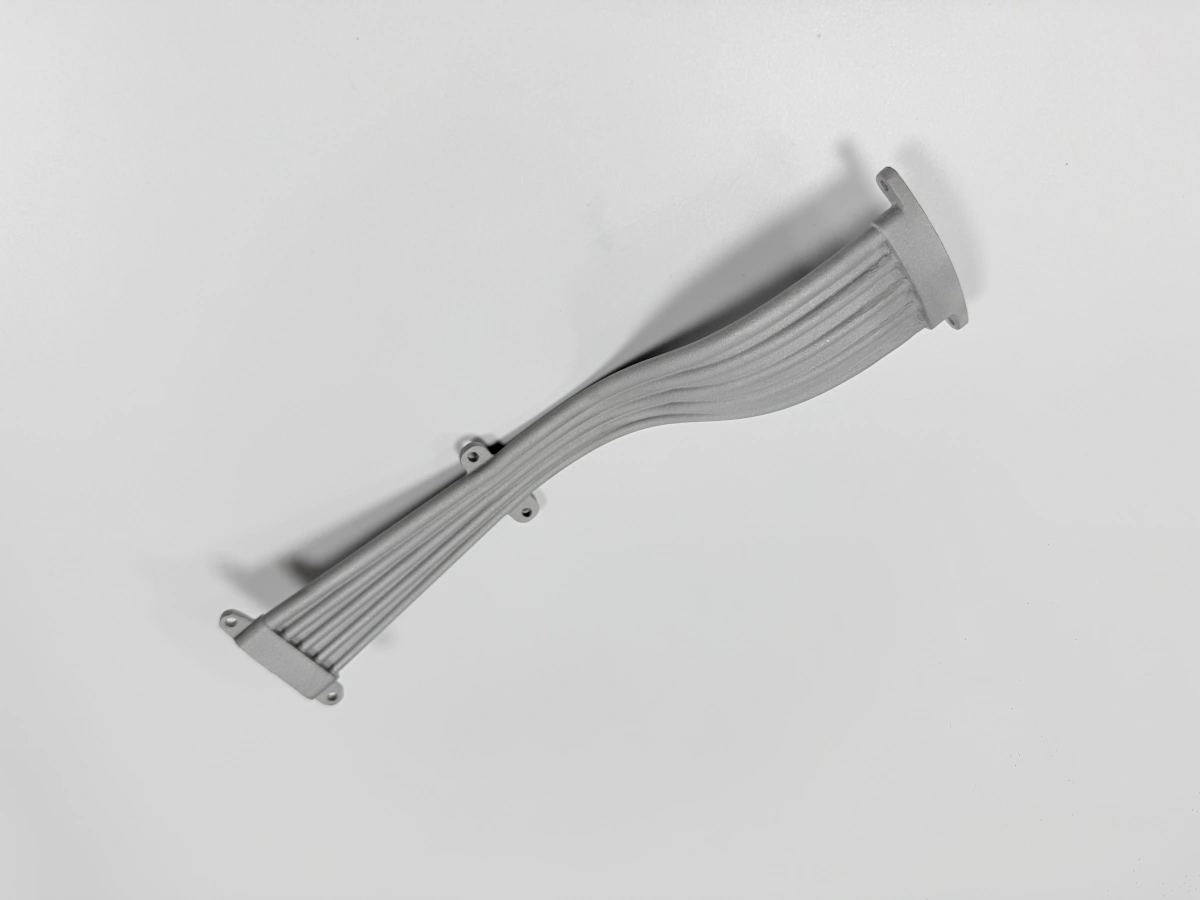
A strong 3D printing sourcing process begins by naming the real buying problem. Some projects need prototype speed, some need production repeatability, some need material traceability, and others need cosmetic consistency, heat resistance, corrosion resistance, or stable packaging for international shipment. When the buyer explains the application and not only the model, the supplier can decide whether titanium 3d printing, secondary machining, heat treatment, surface treatment, or added inspection should be part of the quote.
Before asking for price, confirm the CAD revision, 2D tolerance callouts, material grade, process preference, finish requirement, annual quantity, delivery target, and any customer-specific quality requirement. If a feature drives assembly, sealing, movement, electrical contact, heat transfer, or safety, mark it clearly. If only a few dimensions are critical, separate them from general tolerances so the supplier does not overprice the entire part or miss the true control points.
The first review should also identify what the buyer does not know yet. If material can be substituted, say so. If the surface is only cosmetic, separate it from functional coating or corrosion protection. If the quote is for a prototype but the design may later repeat, tell the supplier that build orientation, support strategy, inspection notes, and packaging may need to support future batches. These details make quotes easier to compare because every supplier is responding to the same commercial and engineering question.
Build a Quote-Ready RFQ Package
A quote-ready RFQ removes guesswork. It should include native CAD or STEP files, a controlled 2D drawing, units, revision level, material standard, quantity breaks, surface finish, heat treatment, coating, machining allowance, packaging, inspection requirements, and target lead time. If the buyer has preferred acceptance rules, such as first article inspection, density requirements, or certificate requirements, those should be sent before price comparison begins.
For additive manufacturing, file completeness matters because process route is often chosen from geometry. Thin walls, enclosed channels, lattice features, overhangs, threads, datum relationships, and cosmetic faces can change build orientation and post-processing strategy. Buyers can use superalloy 3d printing as a capability reference when the part contains features that may need multiple operations or tighter feature alignment. A supplier who asks technical questions early is often reducing risk, not slowing the project down.
It is also useful to state the purpose of the quote. A prototype quote may prioritize speed and design feedback. A low-volume quote may prioritize stable build parameters, inspection repeatability, and material availability. A production-support quote may need change control, packaging discipline, and stable communication. When the RFQ purpose is visible, suppliers can price the real work instead of guessing from a model alone.
Check Process Fit Before Comparing Price
Low price is not useful if the supplier has chosen the wrong process path. A buyer should ask how the part will be oriented, where supports may be needed, which surfaces become datums, where distortion may appear, and what features require secondary operations. For geometry that includes enclosed channels, thin walls, heat exposure, hard materials, or fine finishes, compare the quote against stainless steel 3d printing or another relevant capability page so the route matches the part instead of the supplier's default machine availability.
Process fit also affects inspection. A part can look simple but still be difficult if the critical dimension is hard to measure, if the datum is unstable, or if finishing may change the final size. The supplier should be able to explain whether the quoted method protects the functional features. If the explanation is missing, the price may hide future rework or a drawing negotiation after the order is already late.
Ask each supplier to describe the likely order of operations. Which orientation is planned? Which supports are removed? Does the part need stress relief, HIP, heat treatment, deburring, polishing, coating, CNC machining, or EDM? Will inspection happen before or after finishing? These questions help buyers see whether the quote is based on manufacturing logic or a fast spreadsheet estimate.
Review Area | Buyer Check | Supplier Evidence to Request |
|---|---|---|
Model data | CAD, 2D drawing, revision, units, and datum scheme | Quote notes confirming the correct revision and any unclear features |
Material | Grade, powder or feedstock route, certification, and substitute limits | Material availability, certificate options, and lead-time impact |
Tolerance | Critical dimensions, general tolerance, and measurement method | Inspection plan, CMM capability, gauges, or first article report scope |
Post-processing | Heat treatment, HIP, machining, surface roughness, coating, and cleaning | Process sequence, masking notes, handling risk, and acceptance criteria |
Commercial scope | Quantity, delivery target, packaging, repeat demand, and revision control | Price breaks, schedule assumptions, and repeat-order support method |
Review Supplier Evidence
Ask the supplier to explain similar work, inspection equipment, material sourcing, post-processing support, and how nonconforming parts are handled. For parts that need tighter control, align the request with hot isostatic pressing hip so quality expectations are visible before production starts. Evidence should be specific enough to support the project, not a generic claim that the supplier can print everything.
A useful quote should state what is included, what is excluded, and where the supplier still needs confirmation. Watch for unclear material assumptions, missing finish details, no inspection scope, vague delivery timing, or silence about critical features. Those gaps often become late engineering questions, rejected parts, or avoidable schedule pressure. A supplier that documents assumptions gives the buyer a cleaner basis for negotiation.
Supplier evidence can include sample inspection reports, process photos, equipment lists, finishing partners, material certificate examples, packaging notes, or a short explanation of how similar parts were controlled. The goal is not to demand confidential customer data. The goal is to confirm that the supplier understands the type of risk your drawing creates and has a practical way to control it.
Compare Quotes by Total Risk, Not Unit Price Alone
Two 3D printing quotes can show the same unit price and still carry very different risk. One supplier may include certified material, support removal, heat treatment, dimensional inspection, and export packaging. Another may quote only basic printing and leave finishing, inspection, or cleaning undefined. Buyers should compare scope line by line before choosing the lowest number.
For each quote, check whether the supplier has confirmed material grade, tolerance interpretation, build strategy, finishing method, inspection records, lead time, and shipping assumptions. If the part may repeat, ask whether the supplier will retain build notes, post-processing history, inspection history, and packaging details. For bridge builds or small batches, surface treatment may help buyers connect first-order feedback with repeat production planning.
Price pressure is normal, but unclear scope is expensive. A quote that leaves key assumptions blank often creates change orders, late engineering questions, or rejected parts. A slightly higher quote with clear manufacturing scope may be cheaper when it reduces risk, avoids rework, and keeps the launch schedule stable.
Plan for Inspection and Repeatability
If the part may repeat, buyers should think beyond the first order. Confirm whether fixtures, inspection reports, packaging notes, revision history, and supplier feedback can be retained. Repeatability is usually easier to build into the first RFQ than to repair after inconsistent batches arrive. The buyer should also decide which dimensions require documented evidence and which dimensions can follow standard inspection.
Inspection planning should match part risk. A simple prototype may only need visual and dimensional checks. A sealing surface, bearing seat, medical component, aerospace detail, or energy system part may need material certificates, build records, first article data, CMM reports, or post-processing notes. When the application involves high precision or functional risk, powder bed fusion gives buyers a better way to discuss measurement expectations before production.
Repeatability also depends on communication. Buyers should define who approves drawing changes, how supplier questions are handled, how nonconforming parts are reported, and how future orders will reference approved samples. This turns the supplier relationship from a one-time transaction into a controlled manufacturing process.
Red Flags Before Purchase Order Release
Before releasing a purchase order, review the quote for red flags. Be cautious if the supplier ignores the drawing revision, quotes without material details, avoids tolerance discussion, gives no inspection scope, does not mention finish limitations, or promises a lead time that does not match the process complexity. These problems are especially important when the part includes tight features, difficult materials, cosmetic requirements, or assembly-critical dimensions.
Buyers should also be careful when every answer is yes. Reliable suppliers usually identify at least a few assumptions, risks, or confirmation points. That is a sign of technical review. A quote with no questions may be acceptable for a very simple part, but for custom additive manufacturing work, silence can mean the supplier has not reviewed the model deeply enough.
How Neway Supports 3D Printing Buyers
Neway can review models and drawings, identify additive manufacturing risks, recommend suitable process routes, and align inspection records with buyer requirements. When the application involves cost pressure, tight tolerances, difficult material, or repeat orders, buyers can use binder jetting as part of a broader supplier review before confirming production.
The best time to reduce 3D printing sourcing risk is before the first purchase order. A complete RFQ, clear process discussion, realistic inspection plan, and documented commercial scope help both sides make better decisions. For buyers comparing binder jetting 3d printing suppliers, that discipline often matters more than finding the fastest quote response.
FAQ

.webp)