Which industries benefit the most from superalloy 3D printing?
Which industries benefit the most from superalloy 3D printing?
Industries benefit from superalloy 3D printing when a part combines high temperature, corrosion, fatigue, complex geometry, low volume, or difficult replacement conditions and the final state can be qualified. Aerospace, energy, chemical processing, automotive, and industrial tooling use different grades and routes. Inconel 718, Inconel 625, Hastelloy X, Haynes 282, and Rene 41 should not be treated as interchangeable. The selection must begin with load, temperature, atmosphere, fluid, quantity, geometry, post-processing, inspection, and documentation.
Industry fit is governed by the failure mechanism: thermal gradients can drive residual stress, precipitation reactions can change strength after heat treatment, and surface-connected defects can shorten fatigue life. These mechanisms must be linked to a route, a material condition, and a verification method before a sector-level recommendation is accepted.
Aerospace and Aviation
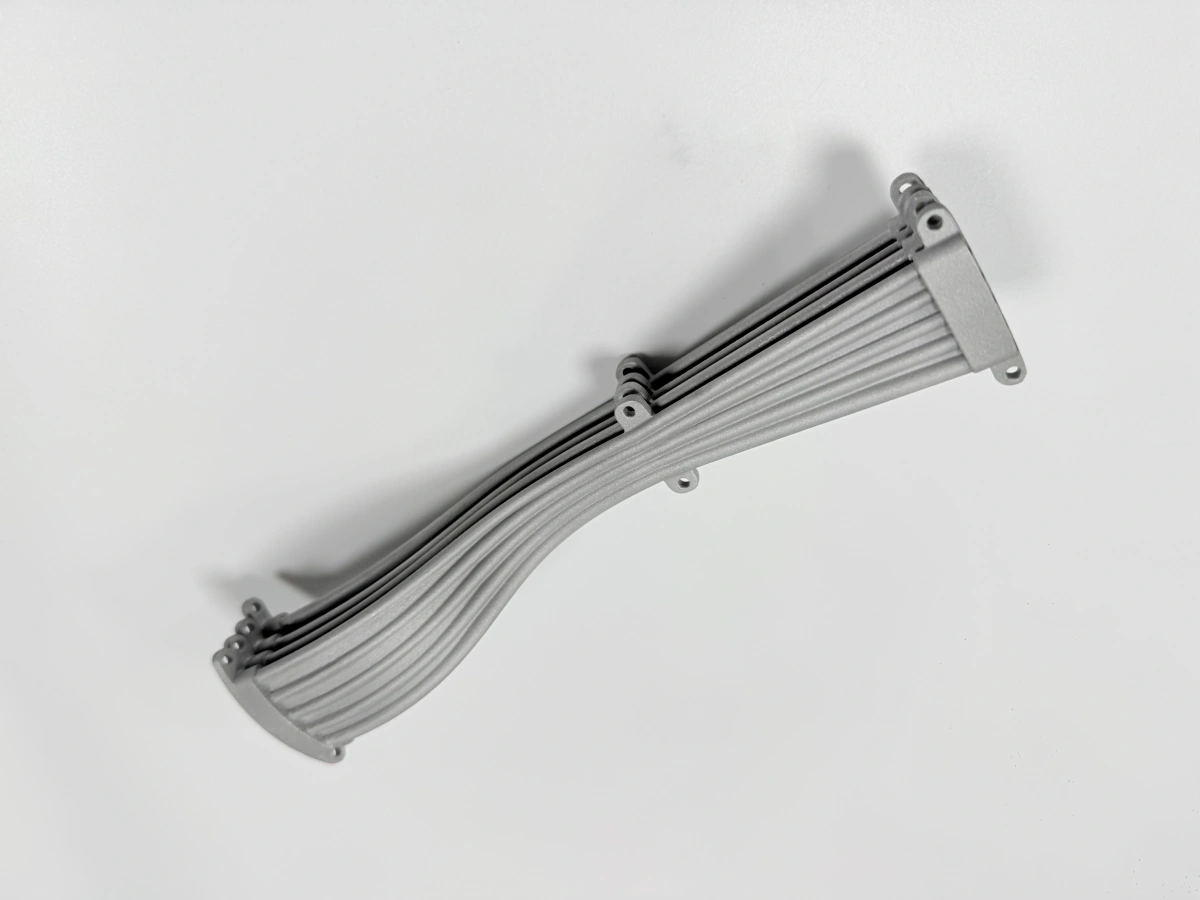
Aerospace teams may screen LPBF Inconel 718 for brackets, ducts, fuel hardware, and heat-management features when part consolidation or internal geometry has a measurable benefit. The process creates a directional thermal history, and the precipitation-hardening response depends on the specified heat-treatment condition. Residual stress, porosity, surface-connected defects, fatigue, and creep are not removed by the industry label. For an aerospace bracket, choose LPBF only when orientation, powder lot, parameter set, heat treatment, machining, fatigue method, and NDT are covered by project-specific qualification; verify the final condition and release criteria. Industry use is not approval evidence.
Energy and Power Generation
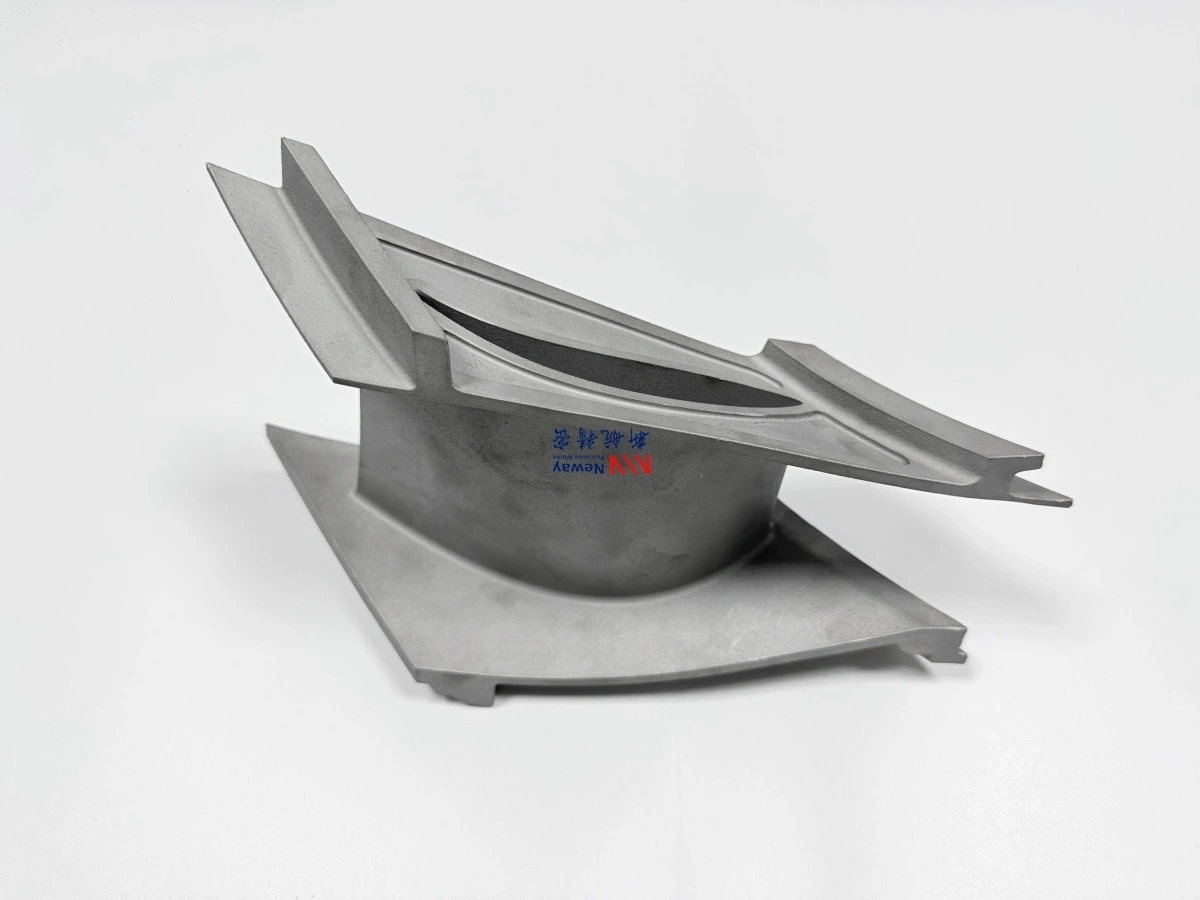
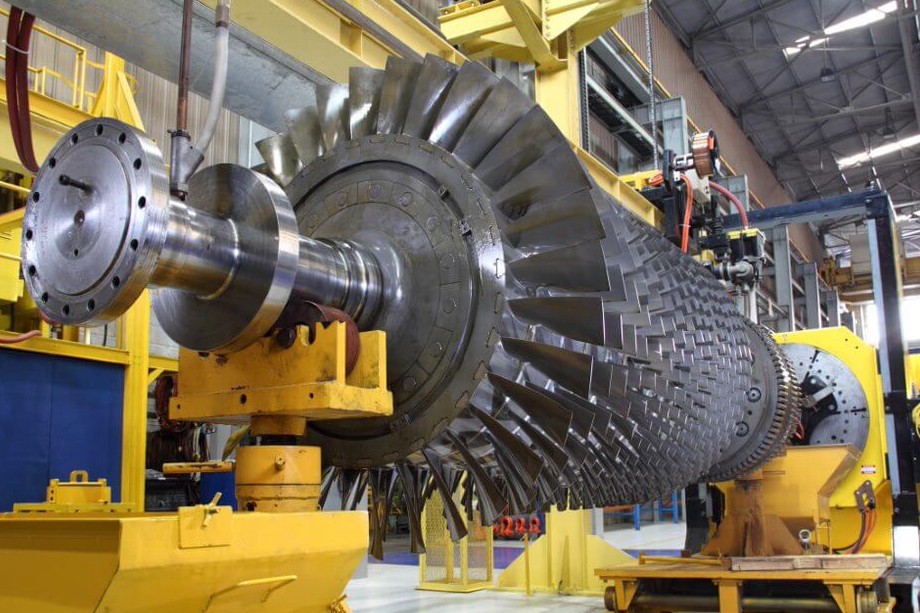
Energy programs may select Inconel 625, Inconel 718, Hastelloy X, or another qualified grade for manifolds, combustor hardware, heat exchangers, repair zones, and hot-gas components. The right grade depends on pressure, temperature, dwell, thermal cycling, oxidation, hot corrosion, and fluid chemistry. A corrosion-resistant alloy still needs a surface and exposure plan. For an energy manifold, select a PBF or DED route when the internal passage, pressure boundary, and post-process access are defined; verify pressure, leakage, flow, defect evidence, and corrosion condition after cleaning and finishing.
Chemical, Automotive, and Industrial Uses
Chemical-processing users may value Inconel 625 or a Hastelloy grade when aggressive media, low quantity, or a consolidated valve or nozzle geometry changes the economics. Automotive and motorsport users may consider superalloys for exhaust, turbocharger, thermal-management, or test hardware when a high-temperature cycle and a short design loop justify the material cost. Tooling users may use DED to add or repair a feature on a qualified substrate. In every case, select the grade and route from the fluid, cycle, vibration, wear, and quantity; verify leakage, dimensional fit, thermal cycling, or fatigue under the intended condition.
Medical and Other High-Consequence Applications
Medical or patient-connected use requires more than a claim that a nickel-based alloy is strong or corrosion resistant. The project must address material classification, surface condition, cleaning, sterilization, traceability, biological evaluation, and the applicable regulatory route. Superalloy printing is not automatically biocompatible, and a generic coupon does not qualify a patient-specific geometry. For any medical, flight-critical, pressure-boundary, or service-life claim, use project-specific qualification and documented acceptance criteria; a general industry example is not approval evidence.
Industry Selection and RFQ
Compare PBF, LPBF, SLM, DMLS, EBM, and DED by the mechanism each route gives the part, not by a general industry list. PBF may favor fine features; DED may favor repair or large additions; each creates different support, thermal, surface, and inspection decisions. Include Inconel 718 or Inconel 625 grade, powder lot, orientation, heat treatment, HIP, fatigue or creep demand, corrosion exposure, and final surface in the request.
Provide drawing revision, quantity, build envelope, critical features, load, temperature, atmosphere, fluid, pressure, vibration, cleaning, post-process sequence, inspection access, schedule, and approval authority. Request build and feedstock records, test method, coupon orientation, representative-part inspection, dimensional and surface reports, CT or NDT, functional tests, deviations, and final disposition. Release the industrial application only for the condition supported by the documented evidence.
When comparing material capability, use the superalloy 3D printing service after the required property and section condition for this answer are fixed.
When planning the next process step, review the powder-bed fusion service against the final geometry, inspection access, and release evidence described here.