What are the key benefits of using 3D printing for custom parts manufacturing?
What are the key benefits of using 3D printing for custom parts manufacturing?
The key benefits of 3D printing for custom parts manufacturing are design freedom, low tooling commitment, rapid iteration, part consolidation, digital traceability, and economical access to low-volume or highly individualized geometries when the process and final inspection are suitable. These benefits are conditional. A printed part still needs the right material, orientation, support strategy, post-processing, surface condition, and verification. The buyer should compare the complete delivered part with the alternative route, including tooling, setup, machining, inspection, inventory, and change cost.
Geometry and Part Consolidation
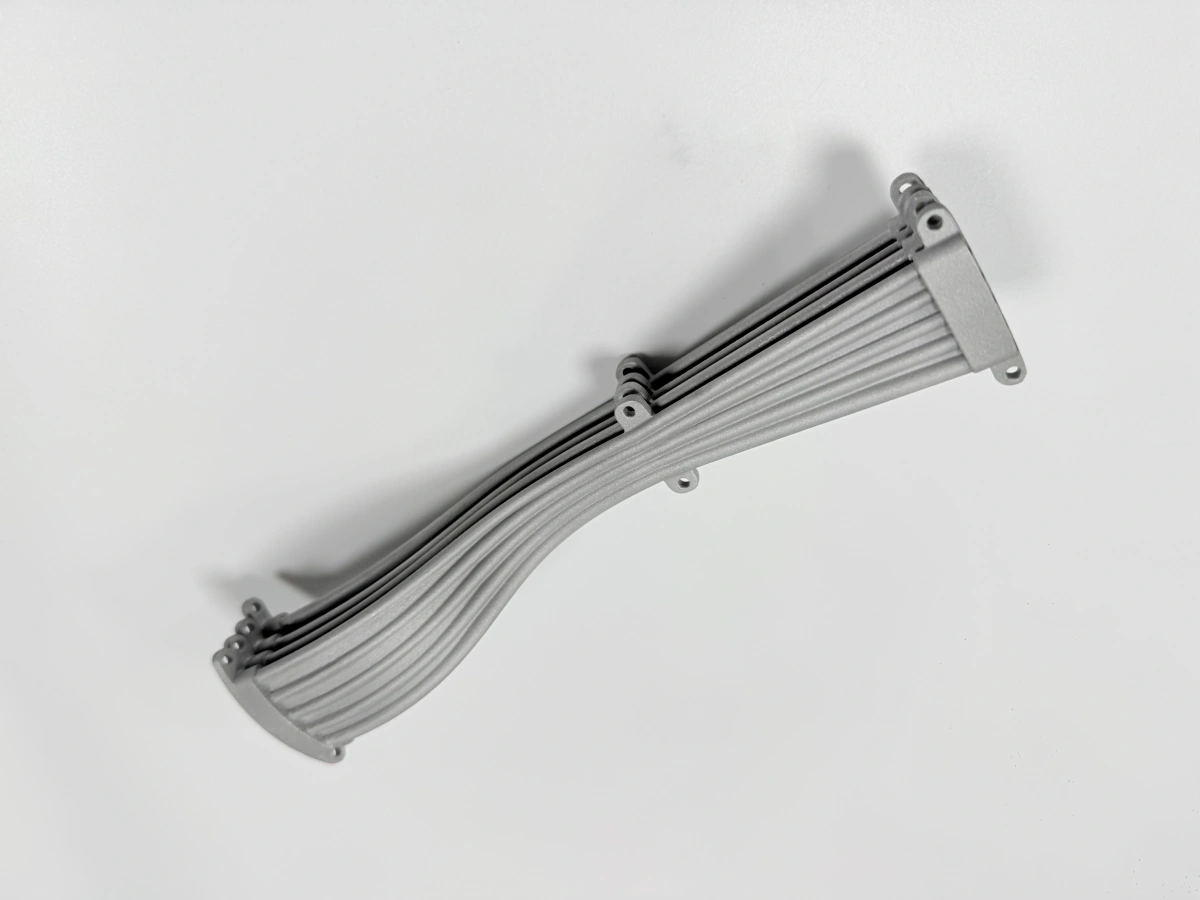
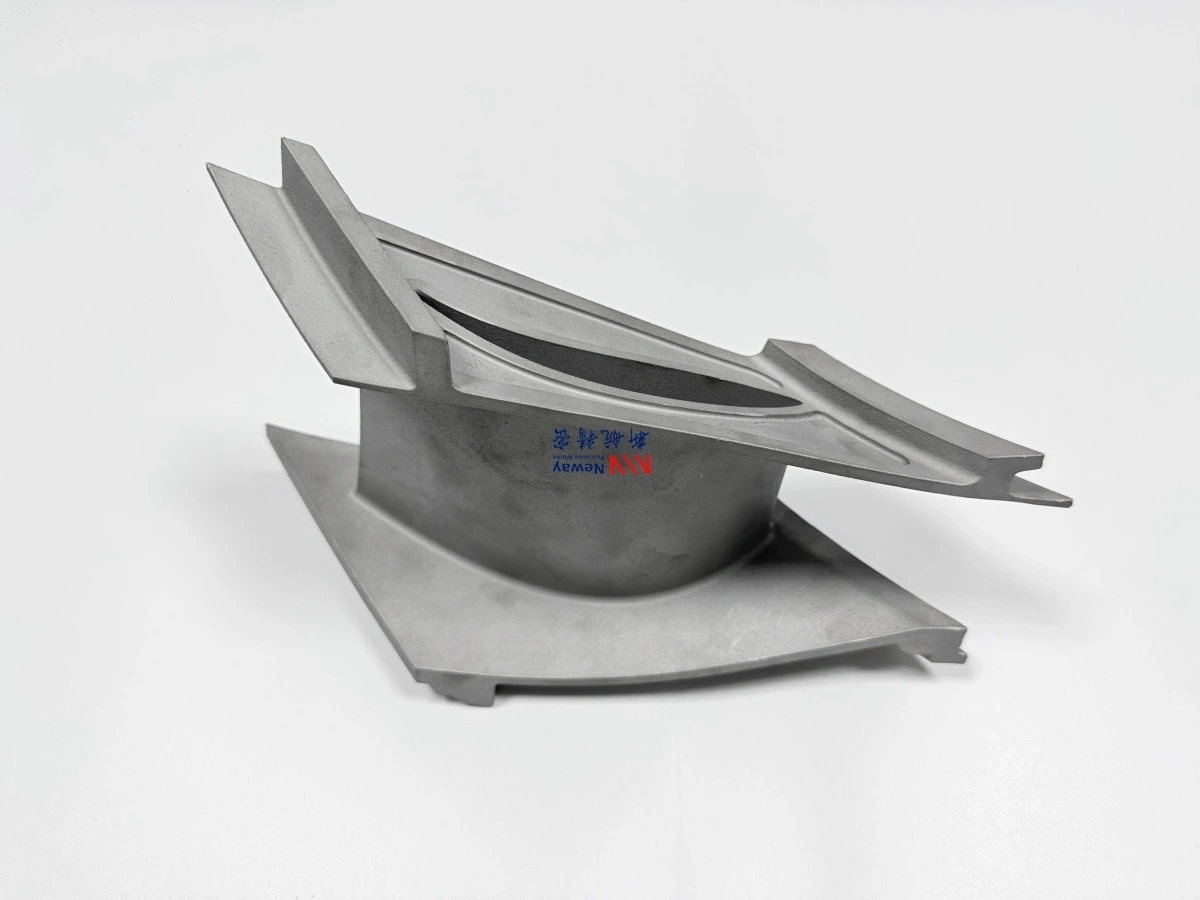
Additive manufacturing builds material layer by layer, so a design can include channels, lattices, internal ribs, lightweight pockets, and integrated mounting features that may require several operations or assemblies in a subtractive route. This freedom is useful because powder-bed thermal history, layer direction, support access, and final machining determine whether the printed geometry becomes a usable part. A narrow channel may be difficult to clean or inspect, and a lattice may change fatigue behavior or make coating access uncertain, so the benefit exists only when the functional feature can be verified.
Process choice changes the mechanism behind the geometry. PBF can form enclosed metal features because each layer is selectively fused around the designed void, while material extrusion depends on bead bonding and cooling across layer direction. Vat photopolymerization cures a resin volume and therefore depends on exposure, wash, and post-cure; binder jetting depends on green-body handling, debinding, and sintering. These mechanisms set different limits for wall thickness, trapped material, dimensional change, and inspection access.
Part consolidation can reduce assembly interfaces when the joined functions are compatible with one material and the internal features remain cleanable. A lightweight lattice can lower mass when its struts, nodes, and surface condition are covered by the load case and fatigue plan. These results should be accepted only after dimensional, surface, functional, or load testing of the final part rather than inferred from the CAD model.
For an aerospace bracket, choose 3D printing when part consolidation or an internal load path has a defined weight, stiffness, or assembly benefit; verify orientation, support removal, fatigue-sensitive surfaces, dimensions, and the final heat-treatment state. For an automotive manifold, choose it when integrated passages reduce joints or improve flow; verify cleaning, pressure, leakage, flow, and the machined interface. These buyer decisions depend on measured function rather than geometric novelty.
Tooling, Iteration, and Low Volume
Custom parts often change during design, and additive manufacturing can shorten the path from revised CAD to a physical evaluation because the process does not require a new mold for each geometry. The time advantage depends on machine availability, material qualification, support removal, heat treatment, machining, and inspection. A printed build that finishes quickly can still have a longer delivery time if the downstream route is not planned. Record the CAD revision and process milestone so an iteration can be compared with its predecessor.
For a prototype fixture, select material extrusion or vat photopolymerization when the load and environment fit the material and the required surface or fit can be verified. For a low-volume metal production part, select PBF or DED when the build envelope, orientation, post-processing, and inspection are defined. A rapid prototype is not automatically a production-equivalent material state; test the condition that the buyer will actually use. In a custom route review, compare PBF, DED, material extrusion, vat photopolymerization, and binder jetting against the same drawing revision rather than assuming that one process name represents the final part.
Digital Traceability and Customization
A digital workflow can connect the drawing revision, build file, feedstock lot, machine record, orientation, support plan, post-process route, inspection, and disposition. That traceability supports repeat builds and controlled changes. It does not replace a qualified parameter set or a part-level check. A build record should identify the process version and the final state, including heat treatment, cure, firing, machining, surface finish, or coating.
Customization also supports patient-specific forms, replacement parts, test hardware, and fixtures that would be expensive to stock. The buyer must still define material compatibility, cleaning, sterilization, pressure, temperature, load, and documentation. For medical or energy use, select the route only when the final material and process evidence covers the intended boundary. A digital file alone is not evidence of biocompatibility, pressure integrity, or service life.
Limits, Comparison, and RFQ
3D printing can carry rough surfaces, anisotropy, residual stress, trapped powder or resin, shrinkage, support marks, and process-specific defects. Machining and finishing can address some surfaces but add cost, material loss, access constraints, or dimensional risk. Surface treatment, heat treatment, and inspection belong in the original route decision. Use a relevant product or material standard and define acceptance with dimensions, roughness, density, strength, fatigue, leakage, flow, or other functional limits.
For an RFQ, provide CAD and drawing revision, material and feedstock lot, quantity, build envelope, orientation, critical features, tolerances, surface, load, environment, post-process sequence, inspection access, schedule, and approval authority. Request process records, material tests, dimensional and surface reports, NDT or CT where relevant, functional tests, deviations, and final disposition. The benefit is real only when the complete custom part passes the buyer's specified condition.
For a primary route decision, use the material extrusion service after the material, geometry, and service condition for this question are defined.
For downstream verification, consult the powder-bed fusion service when the final process state and acceptance evidence for this question must be recorded.
.webp)