Can FFF be used for producing end-use parts in industries like automotive and aerospace?
FFF as a Viable Manufacturing Method for End-Use Components
Fused Filament Fabrication (FFF) has traditionally been associated with rapid prototyping, but advancements in materials, printer reliability, and process control have expanded its role into functional manufacturing. Using the Material Extrusion additive process, thermoplastic filaments are heated and deposited layer by layer to build structural components with complex geometries.
Through modern 3D Printing Service providers, manufacturers can now produce durable functional components directly from digital designs without the need for molds or extensive tooling. This capability allows engineers to manufacture lightweight parts, customized fixtures, and low-volume production components efficiently.
In many advanced manufacturing workflows, FFF is used alongside other additive processes such as Powder Bed Fusion, Binder Jetting, or hybrid technologies like Directed Energy Deposition. These complementary processes allow manufacturers to select the most suitable production approach depending on structural requirements, material selection, and production volume.
Engineering Thermoplastics Enable Functional Parts
The viability of FFF for end-use parts largely depends on the availability of high-performance thermoplastic materials. Modern FFF systems support a range of engineering polymers capable of withstanding mechanical loads, heat exposure, and chemical environments.
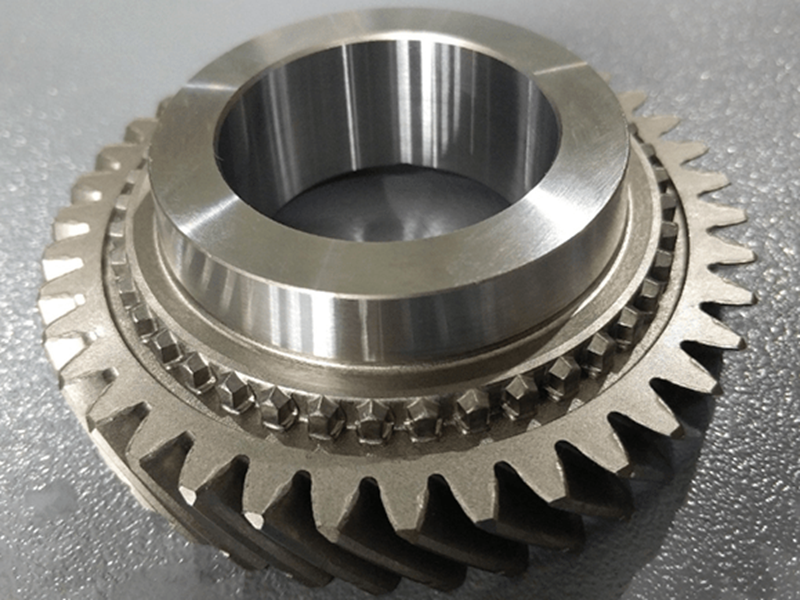
For many industrial applications, Nylon (PA) is widely used due to its excellent wear resistance, fatigue strength, and flexibility. Nylon is commonly applied in gears, housings, and structural brackets.
For applications requiring greater impact resistance and thermal stability, engineers often select Polycarbonate (PC). This material provides high toughness and is frequently used for load-bearing components.
In high-performance environments such as aerospace systems, advanced polymers like Polyether Ether Ketone (PEEK) offer exceptional mechanical strength, chemical resistance, and temperature stability.
Similarly, aerospace-grade materials such as Polyetherimide (ULTEM) PEI provide flame resistance and structural reliability, making them suitable for aircraft interior components and industrial equipment parts.
Post-Processing for Performance and Durability
To ensure functional performance in demanding environments, FFF components often undergo additional post-processing steps. Precision finishing processes such as CNC Machining can improve dimensional accuracy and refine critical mechanical features.
Material stability may also be enhanced through Heat Treatment, which helps reduce internal stress and improve long-term reliability.
For components exposed to extreme temperatures or thermal cycling, protective coatings like Thermal Barrier Coatings (TBC) can increase heat resistance and extend service life.
Automotive and Aerospace Industry Applications
FFF has become increasingly valuable for manufacturing end-use components in several industries.
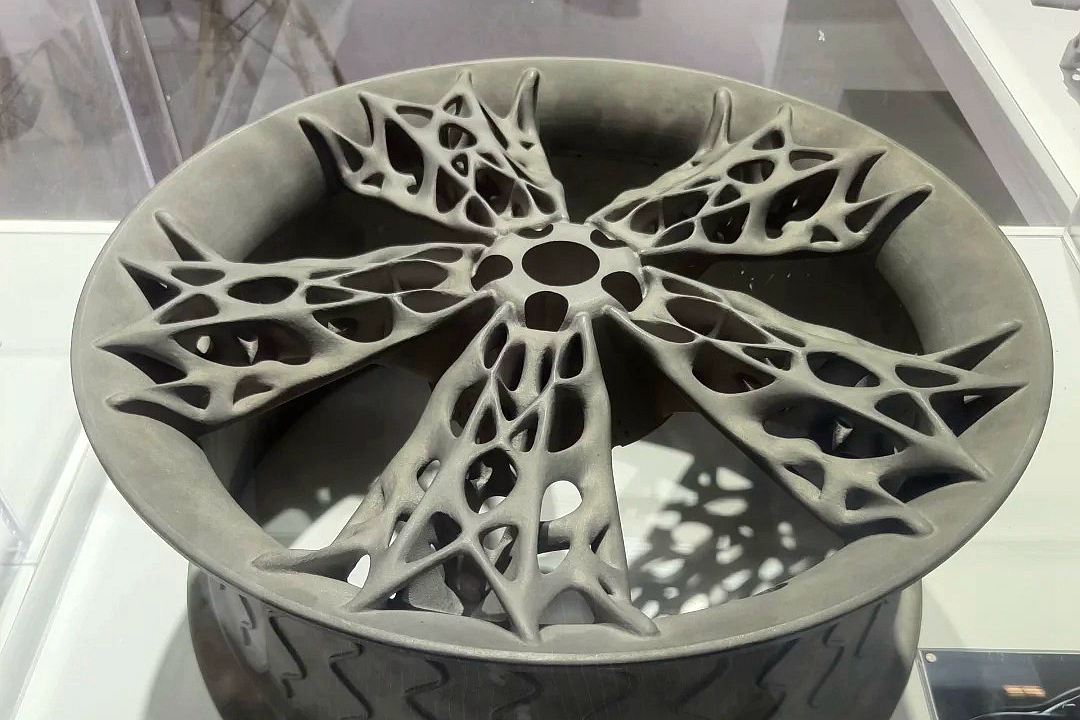
In the Automotive sector, FFF is used to produce lightweight interior components, air ducts, assembly fixtures, and customized tooling that supports production line efficiency.
The Aerospace and Aviation industry utilizes FFF to manufacture lightweight brackets, cable routing components, and structural housings that help reduce overall system weight.
Additionally, manufacturers in Manufacturing and Tooling use FFF to produce jigs, fixtures, and machine accessories that streamline assembly processes and reduce tooling costs.
Conclusion
FFF technology has progressed beyond simple prototyping and is now capable of producing functional end-use components in demanding industrial sectors. With the availability of advanced engineering thermoplastics and proper design optimization, FFF can deliver strong, lightweight, and cost-efficient parts suitable for automotive and aerospace applications.
When combined with precision post-processing and quality control, FFF provides manufacturers with a flexible manufacturing solution that supports both rapid development and small-batch production of industrial components.